


🌿 About Ogbozara-Opi Nsukka Autonomous Community
1. Summary 🌄
Ogbozara-Opi Nsukka Autonomous Community is a culturally rooted Igbo community in Nsukka LGA, defined by its strong kinship traditions, agrarian lifestyle, and enduring commitment to communal identity, peace, and self-governance.
2. History & Origin 📜
Ogbozara-Opi traces its ancestry to the broader Opi–Nsukka cultural and migratory heritage, which is deeply connected to the ancient settlement patterns of northern Igboland. Like many communities in the Nsukka axis, its origins are preserved through oral traditions passed across generations—stories of migration, land settlement, kinship expansion, and the establishment of family lineages.
The name “Ogbozara” is understood locally through oral interpretation tied to lineage identity and communal belonging, though written historical documentation remains limited. The community’s journey to autonomous recognition reflects Nigeria’s broader administrative evolution, where local identity and governance structures were formally acknowledged to strengthen grassroots administration.
3. Community Identity & Lifestyle 🌾
Life in Ogbozara-Opi is anchored in shared values: respect for elders, communal responsibility, hospitality, and collective progress.
Residents are largely family-oriented, with strong kinship ties shaping everyday decisions—from farming cooperation to conflict resolution. Social life revolves around community gatherings, age-grade interactions, religious activities, and seasonal festivals.
The community maintains a calm rural-urban balance, with many indigenes engaging in both farming and modern employment across Nigeria and the diaspora.
4. Governance & Leadership 🏛️
Ogbozara-Opi follows a traditional and democratic hybrid governance system, common across Nsukka communities:
👑 Traditional Ruler (Igwe / Eze) — custodian of culture and tradition
🧓 Council of Elders — advisory and conflict resolution authority
🏘️ Town Union — central administrative and development body
🧑🤝🧑 Youth Wing — mobilization, security support, and community projects
👩 Women’s Association — trade, welfare, and social development initiatives
⛳ Age Grades — key drivers of communal labor and civic responsibility
Diaspora branches also contribute significantly through funding, development projects, and homecoming initiatives.
5. Villages & Internal Structure 🏡
Available local records are limited in published form. However, like most Nsukka communities, Ogbozara-Opi is traditionally organized into family-based kindreds and village units under recognized lineage heads.
Internal structure typically includes:
- Family compounds (ụlọ / umunna)
- Kindreds grouped by ancestry
- Village clusters for administrative coordination
6. Culture, Festivals & Heritage 🎭
Ogbozara-Opi shares in the rich cultural heritage of Nsukka Igboland:
🌽 New Yam Festival (Iri Ji) — thanksgiving and harvest celebration
🎭 Masquerade traditions (Mmanwụ) — ancestral spirit representation and entertainment
💍 Marriage customs — deeply ceremonial, involving extended family negotiations
⚰️ Burial rites — respectful ancestral passage rituals with communal participation
🥁 Traditional music & dance — flute, drums, and ogene rhythms
🍲 Local cuisine — yam, cassava-based meals, palm oil delicacies, and soups
Oral storytelling remains a strong cultural pillar, preserving history and moral teachings.
7. Religion & Faith Institutions ⛪
Christianity is the dominant faith in Ogbozara-Opi, alongside elements of traditional belief systems preserved in cultural memory.
⛪ Churches (Catholic, Anglican, Pentecostal denominations) play central roles in education, healthcare support, and community unity
🕌 A small Muslim presence may exist through resident families or traders
🪔 Traditional spirituality remains respected as cultural heritage
Faith-based organizations are active in youth development and social welfare.
8. Economy & Marketplace 💼
The economy is primarily grassroots and diversified:
🌱 Agriculture: yam, cassava, maize, vegetables
🛠️ Artisanship: carpentry, tailoring, welding, and trading
🛍️ Small-scale commerce: local shops and markets
🚗 Transport services: motorcycles, tricycles, and rural transit
💰 Civil service and education employment
🌍 Diaspora remittances: key economic support system
👩 Youth & women enterprises: food processing, retail, and services
The community holds potential for agro-processing and cooperative farming ventures.
9. Education, Health & Infrastructure 🏫
Infrastructure reflects a typical semi-rural Nsukka community:
🏫 Primary and secondary schools serving local wards
📚 Informal skill acquisition and apprenticeships
🏥 Basic health centers and private clinics (availability varies)
🚧 Rural road networks, some requiring upgrades
💡 Electricity supply with intermittent stability
💧 Water sourced from boreholes and communal wells
📡 Growing mobile network coverage, though internet access varies.
10. Security, Population & Diaspora 🛡️
Ogbozara-Opi is generally peaceful, with security maintained through community vigilance and collaboration with local authorities.
👥 Population: available local records are limited, but typical of Nsukka rural communities
🧓 Youth population is significant, with strong migration to cities
🌍 Diaspora presence in Nigeria and abroad (notably in Europe and North America)
🏠 Homecoming events strengthen identity and development funding
🤝 Community policing supports safety and dispute resolution
11. Government, NGO & Development Relevance 🏗️
Ogbozara-Opi falls under the administrative structure of Nsukka LGA, Enugu State, making it relevant for:
📊 SDG-aligned rural development projects
🏫 Education and youth empowerment programs
🌾 Agricultural modernization initiatives
💧 Water and sanitation improvements
🏥 Primary healthcare expansion
🤝 NGO community development partnerships
🏛️ Government rural infrastructure schemes
12. Challenges & Opportunities ⚖️
Challenges
- Poor or inconsistent road infrastructure
- Youth unemployment and migration
- Limited healthcare facilities
- Inadequate digital visibility and internet access
- Water supply constraints in some areas
- Market access limitations for farmers
Opportunities
🌾 Agro-based industrialization
👩 Women-led cooperative businesses
🧑💻 Digital skills and remote work adoption
🏡 Diaspora-funded community projects
🎭 Cultural tourism and heritage documentation
🤝 NGO partnerships for rural transformation
13. Autonomous Communities Digital Profile 🌐
Ogbozara-Opi can benefit significantly from a structured digital identity through platforms like AutonomousCommunities.com by:
📍 Creating an official community profile page
🏪 Listing local businesses and services
📅 Publishing festivals, meetings, and announcements
🧑🤝🧑 Strengthening town union visibility
🌍 Engaging diaspora members globally
📊 Tracking development projects and progress dashboards
📢 Improving transparency and communication
14. Who Should Engage? 🤝
- Residents and landowners
- Diaspora community members
- Traditional leaders and town unions
- Farmers and traders
- Youth and women groups
- NGOs and development agencies
- Investors in agriculture and infrastructure
- Researchers and cultural historians
- Government institutions
15. Strengths & Improvement Areas 💪
Strengths
- Strong cultural identity and kinship system
- Peaceful and community-driven lifestyle
- Active diaspora involvement
- Agricultural potential
- Strong traditional governance structure
Areas for Improvement
- Infrastructure development (roads, water, electricity)
- Digital presence and data documentation
- Youth employment opportunities
- Healthcare expansion
- Market access and commercialization systems
16. Overall Rating ⭐
Cultural identity: 9/10
Governance: 8/10
Economy: 7/10
Digital readiness: 5/10
Diaspora strength: 8/10
Youth opportunity: 7/10
Infrastructure: 5/10
Security: 8/10
Development potential: 9/10
Institutional partnership potential: 8/10
Overall, Ogbozara-Opi Nsukka Autonomous Community is best described as a culturally grounded, peaceful, and development-ready rural community with strong kinship systems, growing diaspora influence, and significant untapped potential for modernization and sustainable growth.
Contributors👨👩👧👦:
Charles Ugwu – Executive Director
Autonomous Communities (May 2026)
Odinaka Mojekwu – Program Director
Autonomous Communities (May 2026)
Henry Ugwunnadi – Field Manager
Autonomous Communities (May 2026)
Enoobong Etukudoh – Project Manager
Autonomous Communities (May 2026)
-
Public Group
-
3 Posts
-
4 Photos
-
0 Videos
-
Reviews
-
Villages
Search

 Arabic
 French
 Spanish
 Portuguese
 Deutsch
 Turkish
 Dutch
 Italiano
 Russian
 Romaian
 Portuguese (Brazil)
 Greek
Recent Updates
-
Ogbozara-Opi is a community built on strong family values, cultural heritage, and a shared commitment to progress. Its people continue to preserve traditions while embracing development opportunities.
#OgbozaraOpi #Nsukka #EnuguState #AutonomousCommunity #CommunityDevelopment #IgboHeritage #RuralDevelopment #DiasporaEngagement #CulturalPride #SustainableGrowthOgbozara-Opi is a community built on strong family values, cultural heritage, and a shared commitment to progress. Its people continue to preserve traditions while embracing development opportunities. #OgbozaraOpi #Nsukka #EnuguState #AutonomousCommunity #CommunityDevelopment #IgboHeritage #RuralDevelopment #DiasporaEngagement #CulturalPride #SustainableGrowth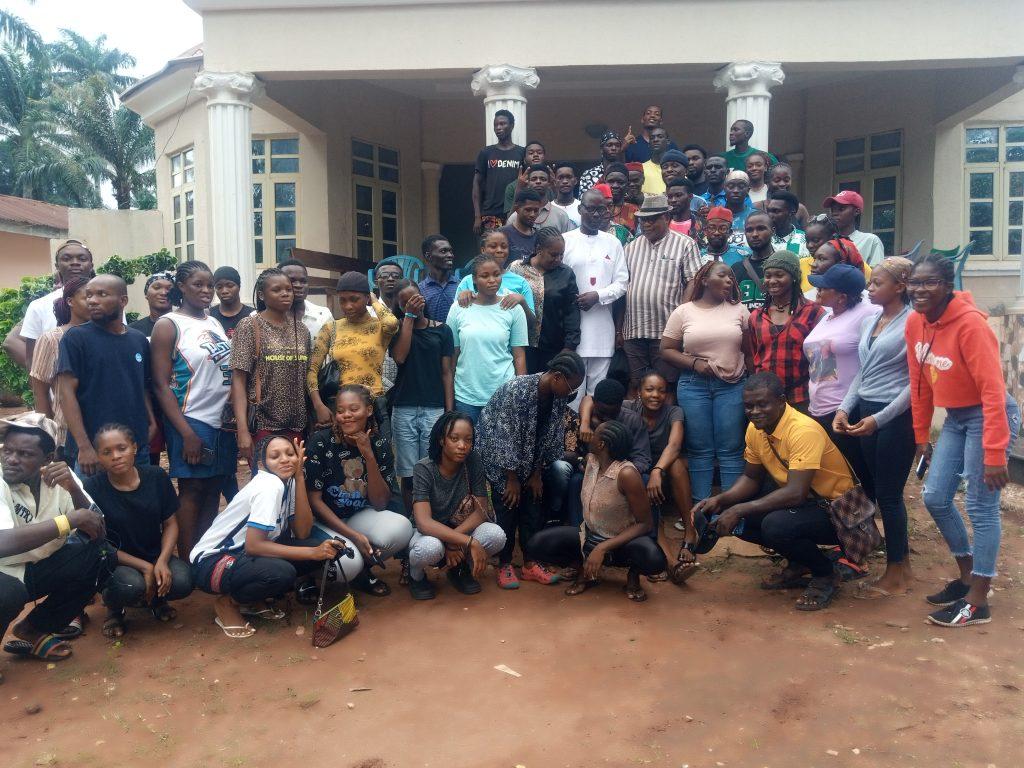 0 Comments 0 Shares 556 Views 0 Reviews
-
Agriculture remains the backbone of Ogbozara-Opi, with hardworking farmers contributing to food production through yam, cassava, maize, and vegetable cultivation.
#OgbozaraOpi #Nsukka #EnuguState #AutonomousCommunity #CommunityDevelopment #IgboHeritage #RuralDevelopment #DiasporaEngagement #CulturalPride #SustainableGrowthAgriculture remains the backbone of Ogbozara-Opi, with hardworking farmers contributing to food production through yam, cassava, maize, and vegetable cultivation. #OgbozaraOpi #Nsukka #EnuguState #AutonomousCommunity #CommunityDevelopment #IgboHeritage #RuralDevelopment #DiasporaEngagement #CulturalPride #SustainableGrowth0 Comments 0 Shares 569 Views 0 Reviews
More Stories
