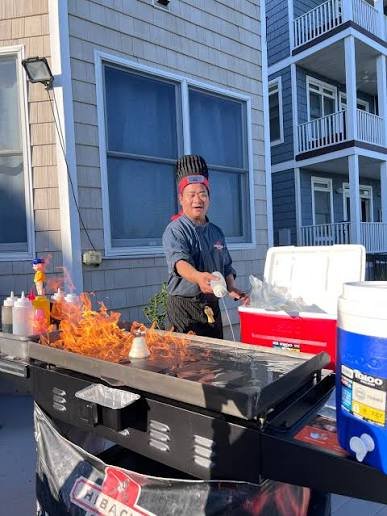
• Experience Hibachi at Home in Austin with Hibachi With Us. Enjoy a private chef, fresh hibachi cuisine, live cooking entertainment, and customizable menu options at your home or event venue. Perfect for birthdays, family gatherings, corporate events, celebrations, and unforgettable Austin parties.
    https://thestarbiznews.com/hibachi-at-home-in-austin-a-private-chef-experience-for-your-next-event/
    Experience Hibachi at Home in Austin with Hibachi With Us. Enjoy a private chef, fresh hibachi cuisine, live cooking entertainment, and customizable menu options at your home or event venue. Perfect for birthdays, family gatherings, corporate events, celebrations, and unforgettable Austin parties. https://thestarbiznews.com/hibachi-at-home-in-austin-a-private-chef-experience-for-your-next-event/
    THESTARBIZNEWS.COM
    Hibachi at Home in Austin: A Private Chef Experience for Your Next Event
    Looking for a unique way to celebrate in Austin? Hibachi at Home in Austin brings the excitement of a Japanese-inspired hibachi restaurant directly to your backyard, patio, or private event space. Instead of driving to a crowded restaurant, guests can enjoy freshly prepared food, live cooking, and entertaining chef performances at their own location. Hibachi
    0 Commenti 0 condivisioni 534 Views 0 Anteprima
  • https://hislonjewelers.com/blogs/news/is-bulova-a-reliable-watch-brand-exploring-timepiece-quality
    https://hislonjewelers.com/blogs/news/is-bulova-a-reliable-watch-brand-exploring-timepiece-quality
    HISLONJEWELERS.COM
    Is Bulova a Reliable Watch Brand? Exploring Timepiece Quality
    Bulova is indeed a famous watch brand with a rich history dating back to 1875. Known for its precision and innovation, Bulova has established itself as a reputable name in the watch industry. The brand gained widespread recognition for its contributions to horology, including the development of the world’s first fully
    0 Commenti 0 condivisioni 754 Views 0 Anteprima
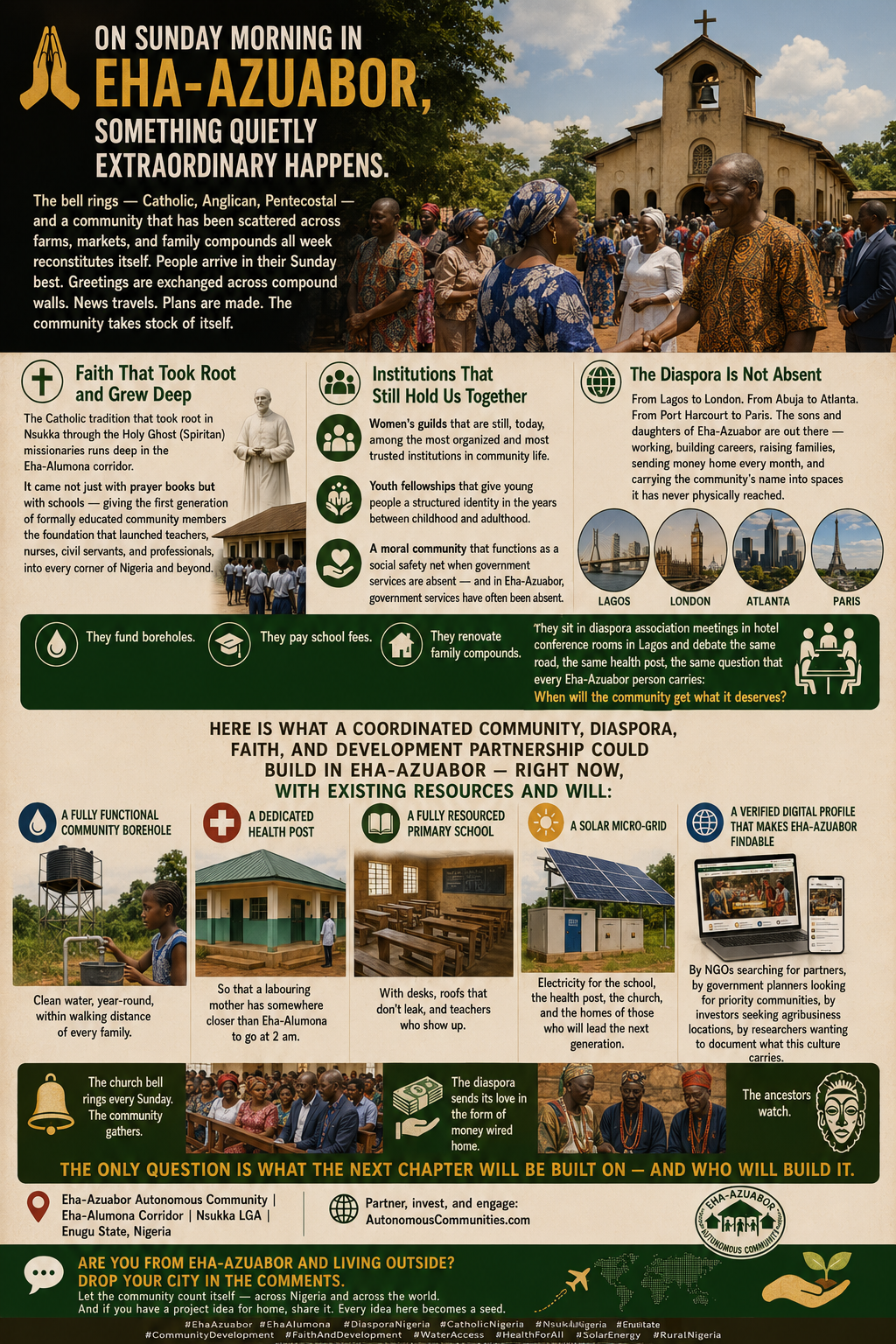
  • πŸ™ ON SUNDAY MORNING IN EHA-AZUABOR, SOMETHING QUIETLY EXTRAORDINARY HAPPENS.

    The bell rings — Catholic, Anglican, Pentecostal — and a community that has been scattered across farms, markets, and family compounds all week reconstitutes itself. People arrive in their Sunday best. Greetings are exchanged across compound walls. News travels. Plans are made. The community takes stock of itself. β›ͺ
    The Catholic tradition that took root in Nsukka through the Holy Ghost (Spiritan) missionaries runs deep in the Eha-Alumona corridor. It came not just with prayer books but with schools — giving the first generation of formally educated community members the foundation that launched teachers, nurses, civil servants, and professionals into every corner of Nigeria and beyond. πŸ“š
    It came with women's guilds that are still, today, among the most organized and most trusted institutions in community life. With youth fellowships that give young people a structured identity in the years between childhood and adulthood. With a moral community that functions as a social safety net when government services are absent — and in Eha-Azuabor, government services have often been absent.
    And speaking of absent — the diaspora is not.
    From Lagos to London. From Abuja to Atlanta. From Port Harcourt to Paris. The sons and daughters of Eha-Azuabor are out there — working, building careers, raising families, sending money home every month, and carrying the community's name into spaces it has never physically reached.
    🌍 They fund boreholes. They pay school fees. They renovate family compounds. They sit in diaspora association meetings in hotel conference rooms in Lagos and debate the same road, the same health post, the same question that every Eha-Azuabor person carries:
    When will the community get what it deserves?
    Here is what a coordinated community, diaspora, faith, and development partnership could build in Eha-Azuabor — right now, with existing resources and will:
    πŸ’§ A fully functional community borehole — clean water, year-round, within walking distance of every family
    πŸ₯ A dedicated health post — so that a labouring mother has somewhere closer than Eha-Alumona to go at 2 am
    🏫 A fully resourced primary school — with desks, roofs that don't leak, and teachers who show up
    ⚑ A solar micro-grid — electricity for the school, the health post, the church, and the homes of those who will lead the next generation
    🌐 A verified digital profile that makes Eha-Azuabor findable — by NGOs searching for partners, by government planners looking for priority communities, by investors seeking agribusiness locations, by researchers wanting to document what this culture carries
    The church bell rings every Sunday. The community gathers. The diaspora sends its love in the form of money wired home. The ancestors watch.
    The only question is what the next chapter will be built on — and who will build it.

    πŸ“ Eha-Azuabor Autonomous Community | Eha-Alumona Corridor | Nsukka LGA | Enugu State, Nigeria
    🌐 Partner, invest, and engage: AutonomousCommunities.com

    ━━━━━━━━━━━━━━━━━━━━━━━━━━━━━━━━━━
    πŸ’¬ Are you from Eha-Azuabor and living outside? Drop your city in the comments. Let the community count itself — across Nigeria and across the world. And if you have a project idea for home, share it. Every idea here becomes a seed. πŸŒπŸ™ŒπŸ‘‡
    ━━━━━━━━━━━━━━━━━━━━━━━━━━━━━━━━━━

    #EhaAzuabor #EhaAlumona #DiasporaNigeria #CatholicNigeria #NsukkaNigeria #EnuguState #CommunityDevelopment #FaithAndDevelopment #WaterAccess #HealthForAll #SolarEnergy #RuralNigeria #AutonomousCommunities #NigeriaRising #BuildTogether

    πŸ™ ON SUNDAY MORNING IN EHA-AZUABOR, SOMETHING QUIETLY EXTRAORDINARY HAPPENS. The bell rings — Catholic, Anglican, Pentecostal — and a community that has been scattered across farms, markets, and family compounds all week reconstitutes itself. People arrive in their Sunday best. Greetings are exchanged across compound walls. News travels. Plans are made. The community takes stock of itself. β›ͺ The Catholic tradition that took root in Nsukka through the Holy Ghost (Spiritan) missionaries runs deep in the Eha-Alumona corridor. It came not just with prayer books but with schools — giving the first generation of formally educated community members the foundation that launched teachers, nurses, civil servants, and professionals into every corner of Nigeria and beyond. πŸ“š It came with women's guilds that are still, today, among the most organized and most trusted institutions in community life. With youth fellowships that give young people a structured identity in the years between childhood and adulthood. With a moral community that functions as a social safety net when government services are absent — and in Eha-Azuabor, government services have often been absent. And speaking of absent — the diaspora is not. From Lagos to London. From Abuja to Atlanta. From Port Harcourt to Paris. The sons and daughters of Eha-Azuabor are out there — working, building careers, raising families, sending money home every month, and carrying the community's name into spaces it has never physically reached. 🌍 They fund boreholes. They pay school fees. They renovate family compounds. They sit in diaspora association meetings in hotel conference rooms in Lagos and debate the same road, the same health post, the same question that every Eha-Azuabor person carries: When will the community get what it deserves? Here is what a coordinated community, diaspora, faith, and development partnership could build in Eha-Azuabor — right now, with existing resources and will: πŸ’§ A fully functional community borehole — clean water, year-round, within walking distance of every family πŸ₯ A dedicated health post — so that a labouring mother has somewhere closer than Eha-Alumona to go at 2 am 🏫 A fully resourced primary school — with desks, roofs that don't leak, and teachers who show up ⚑ A solar micro-grid — electricity for the school, the health post, the church, and the homes of those who will lead the next generation 🌐 A verified digital profile that makes Eha-Azuabor findable — by NGOs searching for partners, by government planners looking for priority communities, by investors seeking agribusiness locations, by researchers wanting to document what this culture carries The church bell rings every Sunday. The community gathers. The diaspora sends its love in the form of money wired home. The ancestors watch. The only question is what the next chapter will be built on — and who will build it. πŸ“ Eha-Azuabor Autonomous Community | Eha-Alumona Corridor | Nsukka LGA | Enugu State, Nigeria 🌐 Partner, invest, and engage: AutonomousCommunities.com ━━━━━━━━━━━━━━━━━━━━━━━━━━━━━━━━━━ πŸ’¬ Are you from Eha-Azuabor and living outside? Drop your city in the comments. Let the community count itself — across Nigeria and across the world. And if you have a project idea for home, share it. Every idea here becomes a seed. πŸŒπŸ™ŒπŸ‘‡ ━━━━━━━━━━━━━━━━━━━━━━━━━━━━━━━━━━ #EhaAzuabor #EhaAlumona #DiasporaNigeria #CatholicNigeria #NsukkaNigeria #EnuguState #CommunityDevelopment #FaithAndDevelopment #WaterAccess #HealthForAll #SolarEnergy #RuralNigeria #AutonomousCommunities #NigeriaRising #BuildTogether

    0 Commenti 0 condivisioni 12K Views 0 Anteprima
  • 🚨 IN 2018, A NATIONAL NEWSPAPER REPORTED WHAT THE PEOPLE OF EHA-AZUABOR AND THEIR NEIGHBOURS ALREADY KNEW:

    "Communities largely cut off from their local government headquarters by erosion... roads only passable by motorcycles especially during the rains... cut off for over 50 years."
    — Vanguard News, July 2018 πŸ—žοΈ
    Fifty years. Half a century. Not of neglect by the community — of neglect by the system that is supposed to serve it.
    Eha-Azuabor Autonomous Community — in the Eha-Alumona corridor of Nsukka LGA, Enugu State — is a farming community that grows food for a region. It is a cultural community whose Omabe masquerade and New Yam Festival are living traditions of enormous heritage value. It is a community of mothers and children, of farmers and traders, of young people who are doing the math every year on whether to stay or leave.
    And its only road has been cut by gully erosion for over fifty years.
    πŸš‘ When a mother goes into labour at midnight — the motorcycle that carries her to Eha-Alumona or Nsukka is her ambulance.
    🌾 When a farmer fills his barn with yam at harvest time — the motorcycle is his truck, his logistics chain, his entire supply line.
    🏫 When a child has to be in school by 7:30 am — the motorcycle is his school bus, in the rain, on the unpaved, eroded, seasonal-stream-for-a-road that connects the community to everything else.
    2018: Governor Ugwuanyi came. He saw. He promised the road.
    The community celebrated. πŸŽ‰
    And then the waiting continued.
    The roads that were promised — the Umabor-Agu Umabor link and the Eha-Eha Ndiagu-Mbu-Ikem corridor — are the lifelines not just of Eha-Azuabor but of an entire cluster of communities including Agu-Umabor, Breme, Eha-Ndiagu, and Ezebuanagu. Communities that feed Nsukka. Communities that pay taxes. Communities that vote.
    Governor Peter Mbah's administration has outlined ambitious infrastructure targets for Enugu State. Eha-Azuabor's road is not an ambition. It is a debt.

    πŸ“ Eha-Azuabor Autonomous Community | Eha-Alumona Corridor | Nsukka LGA | Enugu State
    🌐 AutonomousCommunities.com — where communities document their needs and hold government to account

    ━━━━━━━━━━━━━━━━━━━━━━━━━━━━━━━━━━
    πŸ’¬ SHARE THIS POST. Tag your Enugu State representative. Tag @GovPeterMbah. Tag every infrastructure NGO and development partner working in Southeast Nigeria. Fifty years is enough. The road must be built. πŸ›£οΈπŸ‘‡
    ━━━━━━━━━━━━━━━━━━━━━━━━━━━━━━━━━━

    #EhaAzuabor #EhaAlumona #FixTheRoad #NsukkaNigeria #EnuguState #GullyErosion #RuralNigeria #50YearsIsTooLong #InfrastructureNigeria #AutonomousCommunities #RoadAdvocacy #SDG9 #EhaAzuaborRoad #EnuguGovernor #NigeriaRoads
    🚨 IN 2018, A NATIONAL NEWSPAPER REPORTED WHAT THE PEOPLE OF EHA-AZUABOR AND THEIR NEIGHBOURS ALREADY KNEW: "Communities largely cut off from their local government headquarters by erosion... roads only passable by motorcycles especially during the rains... cut off for over 50 years." — Vanguard News, July 2018 πŸ—žοΈ Fifty years. Half a century. Not of neglect by the community — of neglect by the system that is supposed to serve it. Eha-Azuabor Autonomous Community — in the Eha-Alumona corridor of Nsukka LGA, Enugu State — is a farming community that grows food for a region. It is a cultural community whose Omabe masquerade and New Yam Festival are living traditions of enormous heritage value. It is a community of mothers and children, of farmers and traders, of young people who are doing the math every year on whether to stay or leave. And its only road has been cut by gully erosion for over fifty years. πŸš‘ When a mother goes into labour at midnight — the motorcycle that carries her to Eha-Alumona or Nsukka is her ambulance. 🌾 When a farmer fills his barn with yam at harvest time — the motorcycle is his truck, his logistics chain, his entire supply line. 🏫 When a child has to be in school by 7:30 am — the motorcycle is his school bus, in the rain, on the unpaved, eroded, seasonal-stream-for-a-road that connects the community to everything else. 2018: Governor Ugwuanyi came. He saw. He promised the road. The community celebrated. πŸŽ‰ And then the waiting continued. The roads that were promised — the Umabor-Agu Umabor link and the Eha-Eha Ndiagu-Mbu-Ikem corridor — are the lifelines not just of Eha-Azuabor but of an entire cluster of communities including Agu-Umabor, Breme, Eha-Ndiagu, and Ezebuanagu. Communities that feed Nsukka. Communities that pay taxes. Communities that vote. Governor Peter Mbah's administration has outlined ambitious infrastructure targets for Enugu State. Eha-Azuabor's road is not an ambition. It is a debt. πŸ“ Eha-Azuabor Autonomous Community | Eha-Alumona Corridor | Nsukka LGA | Enugu State 🌐 AutonomousCommunities.com — where communities document their needs and hold government to account ━━━━━━━━━━━━━━━━━━━━━━━━━━━━━━━━━━ πŸ’¬ SHARE THIS POST. Tag your Enugu State representative. Tag @GovPeterMbah. Tag every infrastructure NGO and development partner working in Southeast Nigeria. Fifty years is enough. The road must be built. πŸ›£οΈπŸ‘‡ ━━━━━━━━━━━━━━━━━━━━━━━━━━━━━━━━━━ #EhaAzuabor #EhaAlumona #FixTheRoad #NsukkaNigeria #EnuguState #GullyErosion #RuralNigeria #50YearsIsTooLong #InfrastructureNigeria #AutonomousCommunities #RoadAdvocacy #SDG9 #EhaAzuaborRoad #EnuguGovernor #NigeriaRoads
    0 Commenti 0 condivisioni 11K Views 0 Anteprima
  • πŸ«šπŸ πŸ’›πŸ₯˜πŸ›’
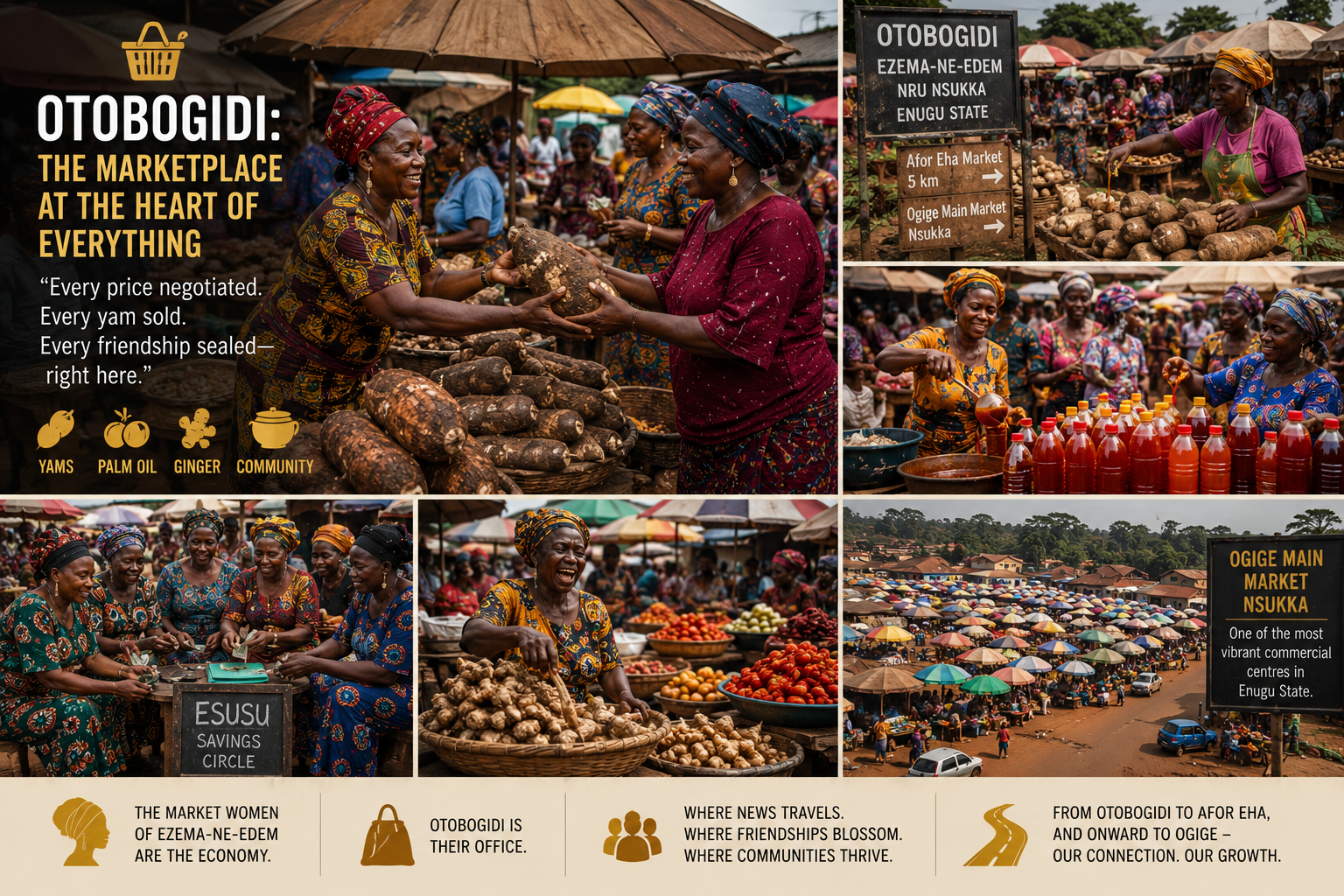
    OTOBOGIDI: THE MARKET PLACE AT THE HEART OF EVERYTHING

    "Every price negotiated. Every yam sold. Every friendship sealed — right here."

    If you want to understand Ezema-ne-Edem, stand at Otobogidi for one morning.
    Watch the yam sellers arrange their tubers with the quiet pride of people displaying something sacred. Watch the palm oil merchants pour that deep red liquid — golden in its own way — into bottles that will travel to kitchens across Nsukka. Watch the traders call to each other in the Nsukka Igbo dialect: fast, warm, full of laughter.

    Otobogidi is not just a market. It is the daily pulse of community life. It is where news travels, where the Esusu savings circle members meet to count their contributions, where the women of Ezema-ne-Edem exercise their formidable economic intelligence every single day.
    From here, the road stretches to Afor Eha Market five kilometres away, and onward to Ogige Main Market in Nsukka town — one of the most vibrant commercial centres in Enugu State.

    The market women of Ezema-ne-Edem are not informal sector workers. They are the economy, and Otobogidi is their office. πŸ’›

    #EzemaNeEdem #Otobogidi #NsukkaMarket #IgboMarket #MarketWomen #OgigeMarket #RuralEconomy #Umuada #IgboWomen #NruNsukka #EnuguState #SupportLocalFarmers #AutonomousCommunities
    πŸ«šπŸ πŸ’›πŸ₯˜πŸ›’ OTOBOGIDI: THE MARKET PLACE AT THE HEART OF EVERYTHING "Every price negotiated. Every yam sold. Every friendship sealed — right here." If you want to understand Ezema-ne-Edem, stand at Otobogidi for one morning. Watch the yam sellers arrange their tubers with the quiet pride of people displaying something sacred. Watch the palm oil merchants pour that deep red liquid — golden in its own way — into bottles that will travel to kitchens across Nsukka. Watch the traders call to each other in the Nsukka Igbo dialect: fast, warm, full of laughter. Otobogidi is not just a market. It is the daily pulse of community life. It is where news travels, where the Esusu savings circle members meet to count their contributions, where the women of Ezema-ne-Edem exercise their formidable economic intelligence every single day. From here, the road stretches to Afor Eha Market five kilometres away, and onward to Ogige Main Market in Nsukka town — one of the most vibrant commercial centres in Enugu State. The market women of Ezema-ne-Edem are not informal sector workers. They are the economy, and Otobogidi is their office. πŸ’› #EzemaNeEdem #Otobogidi #NsukkaMarket #IgboMarket #MarketWomen #OgigeMarket #RuralEconomy #Umuada #IgboWomen #NruNsukka #EnuguState #SupportLocalFarmers #AutonomousCommunities
    0 Commenti 0 condivisioni 9K Views 0 Anteprima
  • πŸ™ IN IBAGWA-ANI, FAITH IS NOT JUST WHAT HAPPENS ON SUNDAY. IT IS THE GLUE THAT HOLDS THE COMMUNITY TOGETHER EVERY OTHER DAY OF THE WEEK.

    The church bell rings across Ibagwa-Ani on Sunday mornings and something shifts in the air. Families emerge from compounds in their finest — women in George wrappers and gele, men in isi-agu tops and red caps, children scrubbed until they glow. The walk to church is itself a community event: greetings exchanged, disputes softened, news shared over the sound of sandals on laterite paths.

    ✝️🌿The Roman Catholic tradition — rooted in Nsukka since the early missionary era — runs deep in the cultural fabric of Ibagwa-Ani. The Church is where children were first named in God's hearing. Where marriages were blessed before the community. Where the dead were commended to eternal rest with music and incense.
    But the Church in Ibagwa-Ani is not just spiritual architecture. It is development infrastructure:
    πŸ“š The mission school tradition gave Ibagwa-Ani its first formally educated generation
    πŸ₯ Faith-based health workers fill critical gaps in government health provision
    🀝 Church communities provide mutual aid when government safety nets are absent
    πŸ—οΈ Congregations have built, renovated, and funded community infrastructure
    πŸ—£οΈ Clergy are respected moral voices who mobilize communities for development
    And alongside the Catholic tradition, the voices of Anglican, Pentecostal, and Evangelical congregations have joined the chorus — each denomination adding its distinctive note to the rich, layered faith harmony of Ibagwa-Ani.
    And still, woven quietly beneath all of it: the older covenant — Ani, the earth, the ancestors — observed in the masquerades, the yam offerings, the burial rites. Not in contradiction. In completion.
    This is a community with many ways of reaching the sacred — and enough wisdom to know that the sacred, however it is called, points always toward the same thing: a life well-lived, in a community worth belonging to.

    πŸ“ Ibagwa-Ani Autonomous Community | Nsukka LGA | Enugu State, Nigeria
    🌐 Faith communities in Ibagwa-Ani can list their events, reach their diaspora, and partner for development at: AutonomousCommunities.com

    ━━━━━━━━━━━━━━━━━━━━━━━
    πŸ’¬ Drop a πŸ™ if you have memories of Sunday mornings in Ibagwa-Ani or any Nsukka-area community. Your nostalgia is someone's present. Your investment could be their future.
    ━━━━━━━━━━━━━━━━━━━━━━━
    #IbagwaAni #FaithCommunityNigeria #CatholicNigeria #IgboChurch #NsukkaNigeria #EnuguState #ChurchAndCommunity #FaithAndDevelopment #SundayInNigeria #AutonomousCommunities #IgboFaith #NigerianCatholic #ChurchNigeria #CommunitySpirit #BelovedCommunity
    πŸ™ IN IBAGWA-ANI, FAITH IS NOT JUST WHAT HAPPENS ON SUNDAY. IT IS THE GLUE THAT HOLDS THE COMMUNITY TOGETHER EVERY OTHER DAY OF THE WEEK. The church bell rings across Ibagwa-Ani on Sunday mornings and something shifts in the air. Families emerge from compounds in their finest — women in George wrappers and gele, men in isi-agu tops and red caps, children scrubbed until they glow. The walk to church is itself a community event: greetings exchanged, disputes softened, news shared over the sound of sandals on laterite paths. ✝️🌿The Roman Catholic tradition — rooted in Nsukka since the early missionary era — runs deep in the cultural fabric of Ibagwa-Ani. The Church is where children were first named in God's hearing. Where marriages were blessed before the community. Where the dead were commended to eternal rest with music and incense. But the Church in Ibagwa-Ani is not just spiritual architecture. It is development infrastructure: πŸ“š The mission school tradition gave Ibagwa-Ani its first formally educated generation πŸ₯ Faith-based health workers fill critical gaps in government health provision 🀝 Church communities provide mutual aid when government safety nets are absent πŸ—οΈ Congregations have built, renovated, and funded community infrastructure πŸ—£οΈ Clergy are respected moral voices who mobilize communities for development And alongside the Catholic tradition, the voices of Anglican, Pentecostal, and Evangelical congregations have joined the chorus — each denomination adding its distinctive note to the rich, layered faith harmony of Ibagwa-Ani. And still, woven quietly beneath all of it: the older covenant — Ani, the earth, the ancestors — observed in the masquerades, the yam offerings, the burial rites. Not in contradiction. In completion. This is a community with many ways of reaching the sacred — and enough wisdom to know that the sacred, however it is called, points always toward the same thing: a life well-lived, in a community worth belonging to. πŸ“ Ibagwa-Ani Autonomous Community | Nsukka LGA | Enugu State, Nigeria 🌐 Faith communities in Ibagwa-Ani can list their events, reach their diaspora, and partner for development at: AutonomousCommunities.com ━━━━━━━━━━━━━━━━━━━━━━━ πŸ’¬ Drop a πŸ™ if you have memories of Sunday mornings in Ibagwa-Ani or any Nsukka-area community. Your nostalgia is someone's present. Your investment could be their future. ━━━━━━━━━━━━━━━━━━━━━━━ #IbagwaAni #FaithCommunityNigeria #CatholicNigeria #IgboChurch #NsukkaNigeria #EnuguState #ChurchAndCommunity #FaithAndDevelopment #SundayInNigeria #AutonomousCommunities #IgboFaith #NigerianCatholic #ChurchNigeria #CommunitySpirit #BelovedCommunity
    0 Commenti 0 condivisioni 8K Views 0 Anteprima
  • Agu Umabor is one of the autonomous communities in Eha-Alumona, Nsukka Local Government Area of Enugu State.

    During the Nigeria Civil war, it played host to displaced persons from most of the local government areas in Enugu North Senatorial zone. The IDPs enjoyed the hospitality of the community throughout the period the war lasted.

    However, Agu Umabor remains the only community in Eha-Alumona town that is yet to be connected to the national grid. It is a community in the dark. Most of the residents of the community have never seen an electric bulb.

    NEWSSaving Enugu community where human beings serve as hearse, ambulancePublished on January 12, 2016 By Emmanuel Uzodinma

    village
    Agu Umabor is one of the autonomous communities in Eha-Alumona, Nsukka Local Government Area of Enugu State.

    During the Nigeria Civil war, it played host to displaced persons from most of the local government areas in Enugu North Senatorial zone. The IDPs enjoyed the hospitality of the community throughout the period the war lasted.

    However, Agu Umabor remains the only community in Eha-Alumona town that is yet to be connected to the national grid. It is a community in the dark. Most of the residents of the community have never seen an electric bulb.

    A trip to Agu Umabor is like a journey to nowhere. A stranger would likely have the impression that he was going to an evil forest. No access road, no electricity, factors combining to make the journey dreadful.

    Ordinarily, a journey to Agu Umabor from Premier Junction, Eha-Alumona is not supposed to last for more than 20 minutes. However, with the terrible nature of the road, the trip takes more than 2 hours. It is hardly accessed with vehicles. The only means of transportation has remained commercial motorcycle riders, who have so much monopolized the journey owing to the bad nature of the road. The poor rural dwellers are forced to cough out between N1000 and N1500 each time they plan to visit their relatives outside the area or go to market. This is considering that once you get to the community, you cannot go beyond it as there is hardly any other road connecting it to other communities.

    Although the community is very close to Enugu capital city, there is no connecting road. Consequently, the residents must mount motorbike, drive for nearly one hour in what could be explained as a ‘merry go round’, before they can board a vehicle to Enugu.
    Also worrisome is the discovery that the community has never been captured in Enugu’s budget ever since the State was created. No wonder it looks like a community in another world. Little wonder the residents look forgotten, dejected and neglected.

    One of the worst scenes in Agu Umabor is the manner they convey dead bodies to places of burial. Owing to lack of roads, residents turn themselves to hearse. For a journey of more than three hours, members of the community lifts the coffin on the waiting head of two volunteers. Two of the volunteers would stand erect, one in the front and the other person slightly behind. The coffin is now lifted unto their heads and they will take off accompanied by wailing women. At intervals of 30 minutes, the corpse bearers exchange with two other persons while they have some rest. Most times, stench would be oozing out from the corpse in question, which may have lasted for two or more days. This is the agony of a people with no access road, where poverty does not just stink but speaks.

    The situation is the same in the area of health and educational facilities. It is quite unbelievable that a community with a population of over five thousand residents has no single hospital. As unbelievable as it may sound, there is no functional hospital in the community. A dying person has to be transported for over three hours, with motorbike serving as ambulance. In most cases, the patient dies even before getting to the hospital owing to the stress and rigours involved in traveling via the death-path called road. Only few hardly makes the journey alive to the poorly equipped private church hospital outside the community.

    Their primary schools is like a goat barn, not different from most of the residential houses found in the area. This is as over 80 percent of the buildings in the community are mud houses. The teachers, who helplessly reside outside the community, rarely comes to school more than once in a week.
    BBC News Igbo
    Igbo history.TV
    Ikenga-Ndi Igbo-TV
    Igbo TV
    IGBO HISTORY.TV...GROUP (SINCE 3000BC)
    Ikenga Ndi Igbo.Groupβœ… ( History-since 18 .BC)
    Agu Umabor is one of the autonomous communities in Eha-Alumona, Nsukka Local Government Area of Enugu State. During the Nigeria Civil war, it played host to displaced persons from most of the local government areas in Enugu North Senatorial zone. The IDPs enjoyed the hospitality of the community throughout the period the war lasted. However, Agu Umabor remains the only community in Eha-Alumona town that is yet to be connected to the national grid. It is a community in the dark. Most of the residents of the community have never seen an electric bulb. NEWSSaving Enugu community where human beings serve as hearse, ambulancePublished on January 12, 2016 By Emmanuel Uzodinma village Agu Umabor is one of the autonomous communities in Eha-Alumona, Nsukka Local Government Area of Enugu State. During the Nigeria Civil war, it played host to displaced persons from most of the local government areas in Enugu North Senatorial zone. The IDPs enjoyed the hospitality of the community throughout the period the war lasted. However, Agu Umabor remains the only community in Eha-Alumona town that is yet to be connected to the national grid. It is a community in the dark. Most of the residents of the community have never seen an electric bulb. A trip to Agu Umabor is like a journey to nowhere. A stranger would likely have the impression that he was going to an evil forest. No access road, no electricity, factors combining to make the journey dreadful. Ordinarily, a journey to Agu Umabor from Premier Junction, Eha-Alumona is not supposed to last for more than 20 minutes. However, with the terrible nature of the road, the trip takes more than 2 hours. It is hardly accessed with vehicles. The only means of transportation has remained commercial motorcycle riders, who have so much monopolized the journey owing to the bad nature of the road. The poor rural dwellers are forced to cough out between N1000 and N1500 each time they plan to visit their relatives outside the area or go to market. This is considering that once you get to the community, you cannot go beyond it as there is hardly any other road connecting it to other communities. Although the community is very close to Enugu capital city, there is no connecting road. Consequently, the residents must mount motorbike, drive for nearly one hour in what could be explained as a ‘merry go round’, before they can board a vehicle to Enugu. Also worrisome is the discovery that the community has never been captured in Enugu’s budget ever since the State was created. No wonder it looks like a community in another world. Little wonder the residents look forgotten, dejected and neglected. One of the worst scenes in Agu Umabor is the manner they convey dead bodies to places of burial. Owing to lack of roads, residents turn themselves to hearse. For a journey of more than three hours, members of the community lifts the coffin on the waiting head of two volunteers. Two of the volunteers would stand erect, one in the front and the other person slightly behind. The coffin is now lifted unto their heads and they will take off accompanied by wailing women. At intervals of 30 minutes, the corpse bearers exchange with two other persons while they have some rest. Most times, stench would be oozing out from the corpse in question, which may have lasted for two or more days. This is the agony of a people with no access road, where poverty does not just stink but speaks. The situation is the same in the area of health and educational facilities. It is quite unbelievable that a community with a population of over five thousand residents has no single hospital. As unbelievable as it may sound, there is no functional hospital in the community. A dying person has to be transported for over three hours, with motorbike serving as ambulance. In most cases, the patient dies even before getting to the hospital owing to the stress and rigours involved in traveling via the death-path called road. Only few hardly makes the journey alive to the poorly equipped private church hospital outside the community. Their primary schools is like a goat barn, not different from most of the residential houses found in the area. This is as over 80 percent of the buildings in the community are mud houses. The teachers, who helplessly reside outside the community, rarely comes to school more than once in a week. BBC News Igbo Igbo history.TV Ikenga-Ndi Igbo-TV Igbo TV IGBO HISTORY.TV...GROUP (SINCE 3000BC) Ikenga Ndi Igbo.Groupβœ… ( History-since 18 .BC)
    0 Commenti 0 condivisioni 4K Views 0 Anteprima
Autonomous Communities https://autonomouscommunities.com