

Eyelid Surgery for Excess Skin Around the Eyes
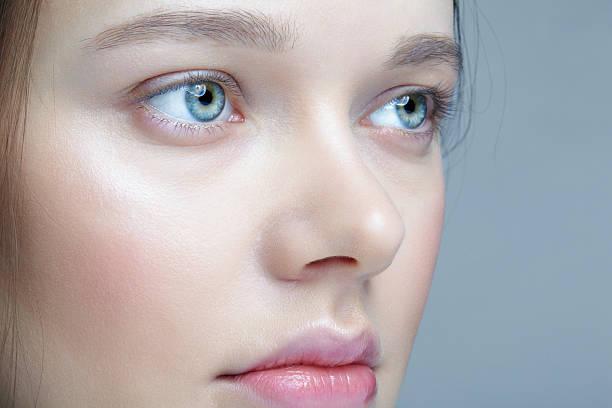
Excess skin around the eyes can gradually change the appearance of the face, making the eyes look tired, heavy, or older than expected. For some people, excess upper eyelid skin can also extend toward the field of vision and create functional concerns. Eyelid surgery, also known as blepharoplasty, may help address selected cases by removing or reshaping excess tissue. For people considering eyelid surgery in riyadh, understanding how the procedure works and what it can realistically achieve is an important part of making an informed decision.
What Causes Excess Skin Around the Eyes?
The skin around the eyes is thin and delicate, making it particularly susceptible to changes associated with aging. Over time, the skin can lose elasticity, while muscles and supporting tissues may also change. These factors can contribute to loose or folded skin on the upper or lower eyelids.
Genetics can also play a role. Some people develop noticeable eyelid skin laxity at a relatively young age. Sun exposure, lifestyle factors, and natural differences in skin structure may further influence how the area changes over time.
How Eyelid Surgery Addresses Excess Skin
Eyelid Surgery in Riyadh can be tailored according to whether excess skin affects the upper eyelids, lower eyelids, or both. During upper eyelid surgery, the surgeon may remove carefully measured amounts of excess skin and, when appropriate, address underlying tissue.
Lower eyelid surgery is different because the surgeon may need to consider excess skin, prominent fat, or changes in the tissues beneath the eyes. The appropriate approach depends on the patient's anatomy and the specific concerns being treated.
The objective is not simply to remove as much skin as possible. Maintaining appropriate eyelid function and creating a balanced, natural-looking result are important considerations.
Upper Eyelid Skin and a Heavy Appearance
Excess skin on the upper eyelids can create a hooded or heavy appearance. In some cases, the skin may rest close to the eyelashes or extend downward enough to interfere with the upper visual field.
An evaluation can help determine whether the concern is primarily caused by excess skin or whether other factors, such as brow position or eyelid muscle function, are contributing to the appearance.
When surgery is appropriate, carefully planned upper blepharoplasty may create a more open and refreshed appearance while preserving the natural shape of the eyes.
Lower Eyelid Skin and Under-Eye Concerns
Excess skin under the eyes can contribute to a creased or loose appearance. Some patients also have under-eye bags caused by prominent or displaced fat.
Lower eyelid surgery may address selected combinations of excess skin and underlying tissue. However, not every under-eye concern is caused by excess skin. Dark circles, pigmentation, hollowness, and fine lines can have different causes and may require other approaches.
A professional assessment is therefore important before deciding which treatment is appropriate.
Can Eyelid Surgery Improve Vision?
In some patients, excess upper eyelid skin can extend into the upper visual field. When the obstruction is caused by eyelid tissue, surgery may improve the amount of visible upper-field space.
However, eyelid surgery does not correct every type of vision problem. Eye conditions unrelated to excess eyelid skin require appropriate ophthalmic evaluation and treatment.
During consultation, your surgeon can assess the eyelids and discuss whether the concerns are primarily cosmetic, functional, or a combination of both.
What Results Can You Expect?
The goal of Eyelid Surgery in Riyadh is generally to create a fresher and more balanced appearance while maintaining natural facial characteristics. Results can make the eyes appear less heavy and may reduce the appearance of excess folds or bags when these concerns are suitable for surgical treatment.
The procedure does not stop the natural aging process, and it cannot remove every wrinkle or completely eliminate all under-eye concerns. Realistic expectations are essential for a satisfying outcome.
Recovery After Eyelid Surgery
Recovery varies depending on the procedure performed and the individual's healing response. Swelling, bruising, tightness, sensitivity, and temporary dryness can occur during the early recovery period.
Your surgeon may provide instructions about keeping the head elevated, avoiding strenuous activity, protecting the eyes from the sun, and caring for the surgical areas. It is important to avoid rubbing or putting unnecessary pressure on the eyelids while they heal.
Following all postoperative instructions and attending recommended follow-up appointments can support a safe recovery.
Who May Be a Suitable Candidate?
A suitable candidate may have noticeable excess eyelid skin and be in generally good health with realistic expectations. However, age alone does not determine candidacy.
The surgeon should consider eye health, eyelid anatomy, skin quality, medical history, medications, previous procedures, and the patient's specific goals. A detailed consultation is necessary to determine whether surgery is appropriate.
Book an Appointment With Royal Clinic Saudia
If excess skin around your eyes is affecting your appearance or, in some cases, your upper visual field, Royal Clinic Saudia can provide a personalized assessment. If you are considering Eyelid Surgery in Riyadh, a consultation can help determine whether upper or lower eyelid surgery is suitable for your concerns and what type of result may realistically be achieved.
FAQs:
Can eyelid surgery remove excess skin from the upper eyelids?
Yes. Upper blepharoplasty can address selected cases of excess upper eyelid skin while aiming to preserve normal eyelid function and a natural appearance.
Does eyelid surgery remove under-eye bags?
It can help address under-eye bags when they are related to excess or prominent fat and other tissue changes. The appropriate approach depends on the individual's anatomy.
Will eyelid surgery remove all wrinkles around the eyes?
No. Eyelid surgery primarily addresses excess skin and selected tissue changes. Fine lines and skin texture concerns may require other treatments.
How long does eyelid surgery recovery take?
Recovery varies between patients and depends on the type and extent of surgery. Swelling and bruising generally improve gradually, while the final appearance may take longer to settle.

 English
 Arabic
 French
 Spanish
 Portuguese
 Deutsch
 Turkish
 Italiano
 Russian
 Romaian
 Portuguese (Brazil)
 Greek
Greek