


How to Choose Reliable Office Cleaning Services for Your Business
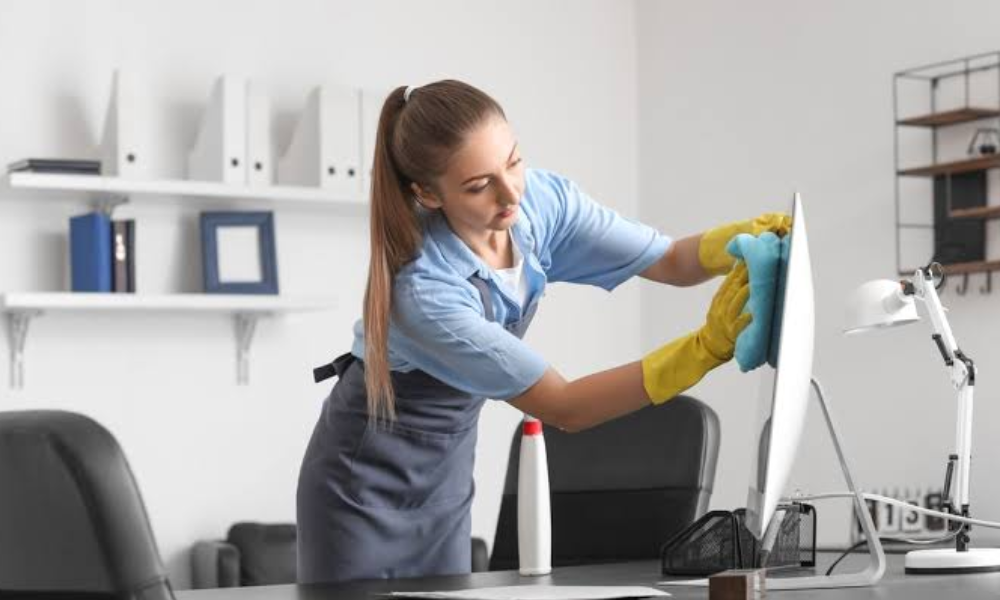
Choosing a reliable cleaning company is an important decision for UK businesses that want to maintain a clean, hygienic and professional workplace. Offices have different requirements depending on their size, layout, occupancy levels and daily activities. A small office may need regular attention to shared areas, while a busy commercial building may require more frequent cleaning of kitchens, washrooms, reception areas and high-traffic spaces.
Modern commercial cleaning has developed beyond basic dusting and vacuuming. Professional providers increasingly use trained teams, structured cleaning procedures, specialist equipment and quality monitoring to deliver consistent workplace standards. For business owners, understanding what to look for in a cleaning company can make it easier to choose a provider that matches the needs of the premises and its daily operations.
Assess Your Business Cleaning Requirements
Before contacting cleaning companies, identify what your workplace actually requires. Consider the size of the premises, number of employees, visitor numbers, working hours, meeting rooms, kitchens, washrooms, reception areas and other shared facilities. It is also useful to identify areas that experience particularly high footfall or require specialist attention.
Separating routine cleaning from periodic tasks can make planning easier. Regular requirements may include vacuuming, mopping, dusting, waste removal and washroom cleaning, while periodic work may include carpet cleaning, window cleaning, floor care or deep cleaning. A detailed assessment allows a cleaning provider to understand the workplace and develop a service schedule around its actual requirements.
Check the Company's Experience and Reputation
Experience can provide useful information about a cleaning company's ability to manage different commercial environments. Consider how long the provider has operated, what types of premises it serves and whether it has experience working with offices similar to yours. Familiarity with commercial workplaces can help cleaners understand access arrangements, shared facilities and the need to minimise disruption.
Reputation is another important consideration. Business owners can review genuine customer feedback and ask potential providers about their previous commercial work. References can also provide useful insight into reliability, communication and consistency. Rather than relying on general claims, look for evidence that the company has experience delivering services in environments comparable to your own.
Review Staff Training and Professional Standards
The quality of a cleaning service depends heavily on the people carrying out the work. Ask potential providers how cleaners are recruited, trained and supervised. Staff should understand appropriate cleaning methods, safe equipment use, product handling and workplace procedures, particularly when working around employees, visitors and business equipment.
Health and safety procedures should also be considered. Commercial cleaning may involve chemicals, machinery, ladders and other workplace risks, so a professional provider should have suitable procedures in place. Ask how the company manages staff training, risk assessments and safe working practices. Clear answers can provide greater confidence that cleaning activities will be carried out responsibly.
Ask for a Clear Cleaning Specification
A reliable provider should be able to explain exactly what its cleaning service includes. A written cleaning specification can identify the areas covered, tasks to be completed, cleaning frequency and any specialist requirements. This gives both the business and the cleaning company a clear understanding of the expected service.
The specification should also distinguish between routine and periodic cleaning tasks. For example, daily duties may include waste removal and washroom maintenance, while less frequent activities could include carpet care or detailed cleaning of hard-to-reach areas. Clear documentation helps reduce misunderstandings and provides a useful reference when reviewing the service.
Examine Quality Control Procedures
Quality control is an important part of maintaining consistent cleaning standards. Ask potential providers how they monitor completed work and identify areas that require improvement. Checklists, inspections, supervisor visits and digital reporting systems can all help cleaning companies monitor service delivery.
A provider should also have a clear process for handling concerns or missed tasks. Businesses should know who to contact when an issue occurs and how problems are followed up. Regular communication between the business and cleaning provider can help ensure that expectations remain clear and that any changes are addressed promptly.
Check Insurance and Business Documentation
Before allowing a cleaning company to work on your premises, check whether it has appropriate business insurance and relevant documentation. Cleaning staff may work around office equipment, furniture, employees and visitors, making suitable liability protection an important consideration for commercial clients.
Depending on the workplace and cleaning requirements, businesses may also need to consider risk assessments, method statements, chemical safety information and other relevant documentation. A professional provider should be able to explain how these areas are managed. Business owners can request appropriate evidence before finalising an ongoing cleaning arrangement.
Consider Flexibility and Working Hours
A cleaning schedule should fit around the way your business operates. Some offices may prefer cleaning before employees arrive, while others may require evening or weekend cleaning. Businesses with hybrid working arrangements may also need different levels of cleaning throughout the week depending on occupancy.
Discuss access arrangements, security procedures and scheduling requirements with potential providers. It is also useful to understand how the company handles changes to the cleaning schedule. A flexible provider should be able to respond when office hours, staffing levels, occupancy or workplace requirements change.
Look at Cleaning Equipment and Products
The equipment and products used by a cleaning company can affect the quality and suitability of its work. Ask potential providers what equipment they use and whether their cleaning methods are appropriate for different surfaces. Flooring, glass, upholstery, kitchen surfaces and specialist materials may require different approaches.
Businesses may also wish to consider environmental practices when selecting a provider. Ask about responsible product selection, chemical use, waste reduction and efficient cleaning equipment. Sustainable cleaning can complement wider environmental objectives while still maintaining appropriate workplace hygiene and cleanliness standards.
Evaluate Communication and Customer Support
Clear communication can make a significant difference to an ongoing cleaning relationship. Ask who will manage your account and how the company communicates with clients. A dedicated contact can make it easier to report concerns, request changes or discuss new workplace requirements.
It is also useful to establish how quickly the provider responds to service issues. Digital communication platforms, reporting systems and regular account reviews can provide greater visibility over cleaning activities. Smaller providers may use direct communication with managers, while larger companies may have dedicated customer service teams and account managers.
Review the Contract Carefully
Before entering into an agreement, business owners should carefully review the contract and ensure that it accurately reflects the agreed cleaning requirements. Check the service schedule, responsibilities, cleaning areas, review arrangements and procedures for requesting changes.
It is also worth understanding how the provider manages staff changes, service interruptions and periods when the workplace is closed. Clear contractual arrangements can reduce uncertainty and help both parties understand their responsibilities. Businesses should raise any unclear terms before signing rather than making assumptions later.
Choose a Provider That Matches Your Workplace
After assessing different providers, consider how well each company matches the specific requirements of your premises. Relevant experience, staff training, cleaning procedures, quality monitoring, communication and flexibility can all help determine whether a provider is suitable for a particular workplace.
Using professional office cleaning services can allow businesses to delegate regular cleaning responsibilities to a dedicated team. The most suitable arrangement is one where the cleaning schedule is clearly defined, standards are monitored and the provider can adapt when workplace requirements change.
Conclusion
Choosing a reliable office cleaning company requires careful consideration of more than the basic cleaning tasks. UK businesses should assess their workplace requirements, investigate provider experience, review staff training, check documentation and understand how cleaning quality will be monitored. These factors can help businesses establish a structured approach to workplace maintenance.
A dependable cleaning provider should offer clear communication, appropriate procedures and flexibility to meet changing requirements. By focusing on service quality, professional standards and workplace suitability, business owners can establish a cleaning arrangement that supports a cleaner, more organised and comfortable environment for employees and visitors.

 English
 French
 Spanish
 Portuguese
 Deutsch
 Turkish
 Dutch
Dutch
 Italiano
 Russian
 Romaian
 Portuguese (Brazil)
 Greek
Greek