
Not Evil Search Engine Explained: A Beginner’s Guide
Did you know that traditional search engines like Google only index about five percent of the entire internet? The remaining vast area contains layers of data that standard browsers cannot see. If you want to explore these hidden areas without being tracked, you might consider using the Not Evil search engine - this tool acts as a gateway to the Tor network, offering a way to find information that remains invisible to typical web crawlers.
You will find that this platform is quite different from the flashy, ad heavy sites you use daily. It is a community driven project that focuses on simplicity and data privacy. Because it does not use trackers or advertising scripts, your search history remains your own - this makes it a popular choice for individuals who value their digital footprint and want to avoid the data collection habits of large technology corporations.
Defining the Not Evil Search Engine
Not Evil is a specialized search tool designed specifically for the Onion Router (Tor) network. Compared to mainstream alternatives, it does not store your IP address or keep logs of your queries. The name itself is a cheeky reference to Google's old "Don't be evil" motto, suggesting a more ethical approach to information retrieval. You can learn more about its specific role in the ecosystem - visiting this overview of the Not Evil search engine.
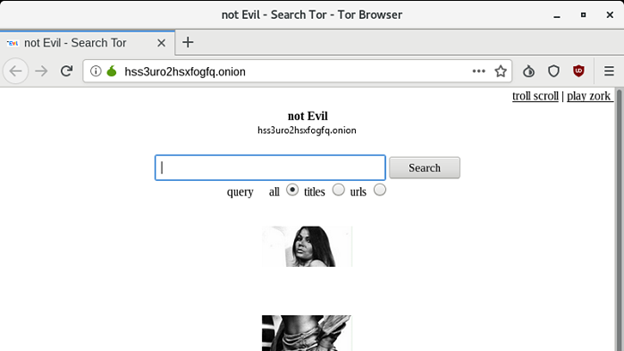
The interface is very basic - You are greeted with a simple search bar and very little else - this lack of visual clutter is intentional. The creators prioritize functionality and speed over aesthetic design. It allows you to search through millions of "onion" links that are otherwise inaccessible. It serves as a directory for a part of the internet where anonymity is the highest priority.
How Tor Searching Operates
When you enter a term into Not Evil, the engine scans its database of hidden services - these services use the .onion suffix instead of .com or .org. Because the Tor network is decentralized, these sites are not hosted on traditional servers. The traffic bounces through multiple different layers of encryption - this process hides your physical location and identity from the site you are visiting.
Key features of this searching method include
- No tracking cookies or user profiles.
- Access to databases and forums not listed on the public web.
- Complete absence of sponsored results or paid advertisements.
Search results might take a few seconds longer to load than what you are used to - this delay happens because of the complex routing needed to keep the connection private. You should keep in mind that many links on the Tor network are temporary. Sites often change their addresses or go offline to maintain security - a link that works today might be gone tomorrow.
Privacy Standards & Safety
Is it safe for you to use? The search engine is a neutral tool. The hidden web contains a mix of academic resources, privacy forums and less reputable content. You are responsible for the links you choose to click. Because there is no central authority to filter "bad" content, you must exercise more caution than you would on the surface web.
To stay secure, you should always use the official Tor Browser when accessing the links - this browser is configured to prevent leaks that could reveal your identity. For a broader look at how to navigate these directories safely, you can check out this guide to onion links. Using these resources helps you distinguish between helpful archives and potentially harmful sites.
Locating Specific Hidden Services
Finding specific information on the Tor network is often difficult because onion addresses are long strings of random characters. Not Evil helps - indexing the titles and descriptions. If you are looking for specific types of data, like specialized research archives or technical libraries, using a dedicated crawler is much more effective than guessing URLs. Other tools, like the Excavator search engine, provide similar functions for deep web exploration.
Common reasons to use these search tools
- Accessing news sites in countries with heavy censorship.
- Researching sensitive topics without leaving a digital trail.
- Participating in privacy focused technology forums.
Remember that the "dark web" is not just for illicit activity. Many journalists, whistleblowers and privacy advocates use these tools to communicate safely. Not Evil provides a window into this world without demanding your personal data in exchange for the service. It is a straightforward resource for anyone curious about what lies beneath the surface of the modern internet.
FAQ
Do I need a special browser to use Not Evil?
Yes, you must use the Tor Browser - Standard browsers like Chrome or Safari cannot resolve .onion addresses and will show an error message if you try to open them.
Is using Not Evil illegal?
In most countries, using the Tor network and its search engines is perfectly legal. It is a tool for privacy. Accessing illegal content or performing illicit acts via the network remains against the law.
Does Not Evil track my search history?
No, the platform is built on the principle of zero data retention. It does not use cookies to track your behavior or save the terms you type into the search bar.
Why are some search results slow to load?
The Tor network routes your request through three different volunteer nodes across the globe - this encryption process takes time, which results in slower speeds compared to the standard internet.
 Russian
 English
 Arabic
 French
 Spanish
 Portuguese
 Deutsch
 Turkish
 Dutch
Dutch
 Italiano
 Romaian
 Portuguese (Brazil)
 Greek
Greek