


Recovery and Aftercare Following Liposuction
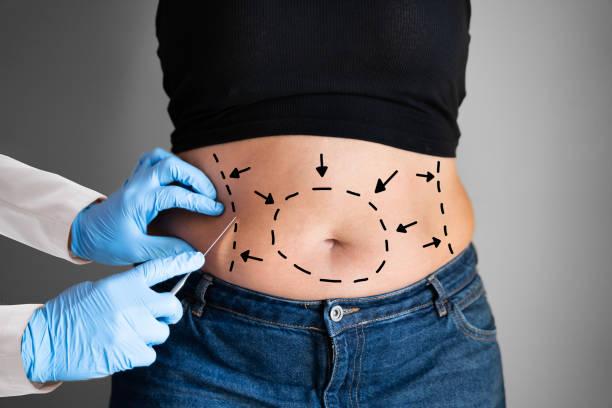
Recovery is an important part of achieving a smooth and healthy healing process after liposuction. Although the procedure removes localized fat, the body still needs time to recover from surgery and for swelling to gradually settle. Understanding proper aftercare can help patients prepare for the days and weeks following treatment. For those considering liposuction, following the surgeon's individualized recovery instructions is an essential part of the overall treatment journey.
What to Expect Immediately After Liposuction
After surgery, it is normal to experience temporary swelling, bruising, tenderness, tightness, and sensitivity in the treated areas. Some patients may also notice changes in skin sensation while the tissues heal.
The extent of these effects depends on the treatment area, amount of fat removed, surgical technique, and individual healing response. Your surgical team will provide instructions for managing these temporary symptoms and monitoring your recovery.
Follow Your Compression Instructions
A compression garment may be recommended after liposuction. It can provide support to the treated areas and may help manage postoperative swelling while the tissues recover.
The surgeon will explain when and how long to wear the garment based on your specific procedure. Patients should follow these instructions rather than adjusting compression use independently.
Keep the Treated Areas Clean
Proper wound care is an important part of recovery. Small access points used during liposuction need to be cared for according to the instructions provided by the surgical team.
Use only recommended products on the treated areas and avoid applying unapproved creams, cosmetics, or irritating substances to healing skin. If you notice unusual drainage, increasing redness, worsening pain, or other concerning changes, contact your healthcare provider promptly.
Gradually Return to Normal Activities
Rest is important during the early recovery period, but complete inactivity is not usually recommended unless your surgeon advises otherwise. Gentle movement may be encouraged to support general circulation and mobility.
Strenuous exercise, heavy lifting, and demanding physical activities should be avoided until your surgeon confirms that they are appropriate. Returning to these activities too quickly can interfere with healing.
After Liposuction in Riyadh, the timing of activity progression varies according to the extent of treatment and individual recovery.
Managing Swelling and Bruising
Swelling can make the treated areas appear larger or less defined during the early stages of recovery. Bruising may also occur and gradually fade as healing progresses.
These effects can take time to resolve. It is important not to judge the final contour too early because the appearance of the treated areas can change considerably as postoperative swelling decreases.
Your surgeon may provide specific recommendations for positioning, compression, activity, and other supportive measures based on your procedure.
Follow a Balanced Lifestyle
Liposuction removes selected fat cells, but it does not prevent future weight gain. Remaining fat cells can enlarge if significant weight is gained after treatment.
Maintaining a stable weight through balanced nutrition, regular physical activity, adequate hydration, and healthy lifestyle habits can help support the body contours achieved through surgery.
Liposuction should therefore be viewed as a contouring procedure that works alongside healthy long-term habits rather than replacing them.
Protect Your Healing Skin
The treated areas may be sensitive during recovery. Protecting healing skin from excessive sun exposure is important, particularly around incision sites.
Follow your surgeon's guidance about sun protection and skincare products. Avoid aggressive exfoliation, harsh treatments, or unnecessary manipulation of healing areas until your provider confirms that the skin has recovered sufficiently.
Attend Follow-Up Appointments
Follow-up appointments allow your surgeon to monitor healing and identify any concerns early. During these visits, the treated areas can be evaluated for swelling, incision healing, contour development, and other recovery-related changes.
Do not skip scheduled appointments simply because you feel well. Follow-up care is an important part of postoperative management.
When Should You Contact Your Surgeon?
Some discomfort and swelling are expected, but certain symptoms should receive prompt medical attention. Contact your surgical team if you experience worsening rather than improving pain, significant or increasing redness, unusual drainage, persistent bleeding, fever, or other symptoms that concern you.
Severe symptoms such as sudden breathing difficulty or chest pain require urgent medical evaluation.
When Will Results Become More Noticeable?
Liposuction results develop gradually. Early swelling can hide the underlying changes, and the body needs time for tissues to settle.
With Liposuction in Riyadh, the timeline for visible improvement varies between patients. Factors such as the treatment area, extent of surgery, skin elasticity, healing response, and adherence to aftercare instructions can influence how quickly the final contour becomes apparent.
Supporting a Smooth Recovery
A successful recovery involves more than simply waiting for swelling to disappear. Adequate rest, appropriate movement, following wound-care instructions, wearing compression when advised, maintaining healthy habits, and attending follow-up visits can all contribute to appropriate healing.
Most importantly, recovery should be individualized. Your surgeon's instructions should take priority because they are based on your specific procedure and health needs.
Book Your Appointment at Royal Clinic Saudia
If you are considering body contouring and want to learn more about preparation, recovery, and aftercare, Royal Clinic Saudia can provide personalized guidance. A consultation allows you to discuss your goals and understand what to expect before and after treatment.
For patients considering Liposuction in Riyadh, professional guidance and appropriate aftercare can help support a safe recovery and allow the body's contours to develop naturally over time.
FAQs:
How long does swelling last after liposuction?
Swelling can persist for several weeks and gradually decreases as healing progresses.
When can I exercise after liposuction?
Light movement may be encouraged early, while strenuous exercise should wait until your surgeon gives clearance.
Do I need to wear a compression garment?
It may be recommended depending on your procedure and recovery needs.
Can I see my final results immediately?
No. Early swelling can affect the appearance, and contours become clearer gradually during healing.
 French
 English
 Arabic
 Spanish
 Portuguese
 Deutsch
 Turkish
 Dutch
Dutch
 Italiano
 Russian
 Romaian
 Portuguese (Brazil)
 Greek
Greek
