


Gynecomastia Surgery in Riyadh: Benefits, Risks, and Recovery
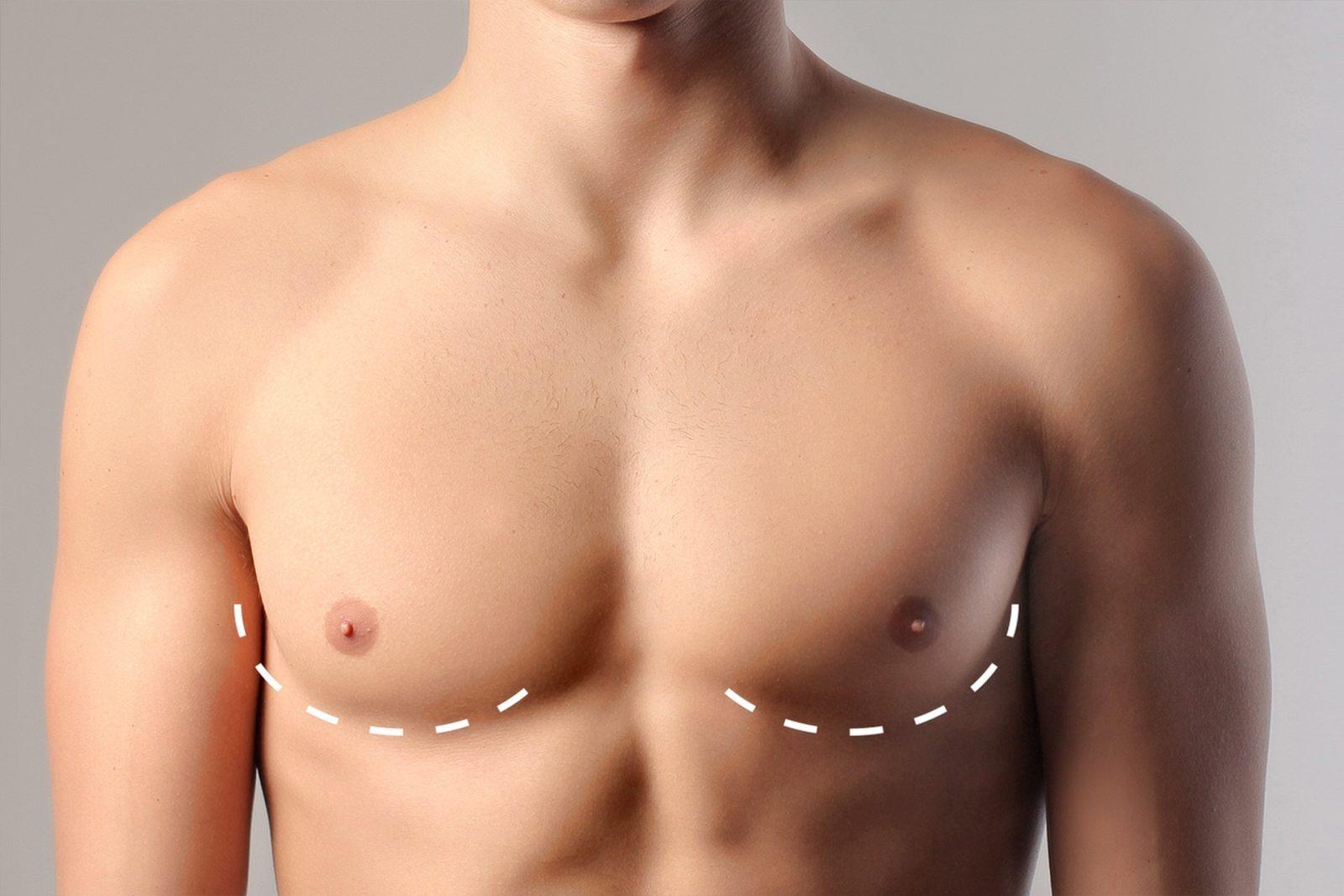
Gynecomastia is a condition that causes enlarged breast tissue in men, sometimes affecting confidence, comfort, and everyday activities. It can develop during adolescence or adulthood due to hormonal changes, certain medications, underlying health conditions, or other factors. For men experiencing persistent breast enlargement, Gynecomastia Surgery in Riyadh may be an option to consider after a proper medical evaluation.
Understanding the procedure, its potential benefits, possible risks, and recovery process can help individuals make informed decisions about their health. This guide explains how gynecomastia develops, how specialists assess the condition, what surgical treatment involves, and what patients can expect before and after surgery.
What Is Gynecomastia?
Gynecomastia refers to the enlargement of glandular breast tissue in males. It commonly occurs when there is an imbalance between estrogen and testosterone, the hormones that influence breast tissue development and other bodily functions. The condition may affect one breast or both, and the degree of enlargement varies from person to person.
Although gynecomastia is generally benign, it can sometimes cause tenderness, sensitivity, or emotional discomfort. It is important to distinguish true gynecomastia, which involves glandular tissue, from pseudogynecomastia, which primarily results from excess fat in the chest area.
A medical assessment helps determine the underlying cause and identify the most appropriate treatment approach. Depending on the individual's circumstances, treatment may involve observation, medication review, management of an underlying condition, or surgery.
Common Causes of Gynecomastia in Men
Gynecomastia can develop for several reasons, and identifying the cause is an important part of treatment planning.
Hormonal Changes
Hormonal fluctuations during puberty and aging can influence breast tissue growth. Many cases of adolescent gynecomastia improve naturally over time, while persistent enlargement in adults may require further investigation.
Medications and Health Conditions
Certain medications and medical conditions can contribute to breast enlargement. Liver disease, kidney disease, thyroid disorders, and conditions affecting testosterone production may play a role. Some substances, including anabolic steroids, can also contribute to hormonal imbalances.
Body Fat and Lifestyle Factors
Excess chest fat can make the appearance of enlarged breasts more noticeable. Although weight management and exercise may reduce fat, they do not reliably eliminate established glandular breast tissue.
A healthcare professional can evaluate these factors and recommend appropriate next steps rather than assuming surgery is necessary in every case.
What Is Gynecomastia Surgery in Riyadh.?
Gynecomastia Surgery in Riyadh. is a surgical treatment designed to reduce enlarged male breast tissue and create a flatter, more proportionate chest appearance. The procedure may involve removing glandular tissue, excess fat, or both, depending on the individual's anatomy and treatment goals.
Before recommending surgery, a qualified surgeon assesses the extent of breast enlargement, skin elasticity, medical history, and overall health. The evaluation also helps determine whether the condition is caused mainly by glandular tissue, excess fat, or a combination of the two.
Surgery is generally considered when breast enlargement persists, causes significant discomfort or distress, or does not respond to appropriate nonsurgical management. The final decision should be based on an individualized medical assessment.
Benefits of Gynecomastia Surgery
Male breast reduction surgery can offer physical and emotional benefits for suitable candidates. However, results differ according to the amount of tissue removed, skin quality, healing, and individual anatomy.
A Flatter and More Defined Chest
Removing excess glandular tissue and fat can create a flatter chest contour. The aim is to achieve a balanced appearance that complements the patient's natural body proportions.
Improved Clothing Comfort
Some men feel uncomfortable wearing fitted shirts, sportswear, or swimwear because of visible breast enlargement. Reducing excess chest tissue may make clothing choices more comfortable and help patients feel less self-conscious.
Greater Confidence
Persistent gynecomastia can affect body image and participation in social or physical activities. Some patients experience improved confidence following surgery, although individual emotional outcomes vary.
Long-Term Improvement
Surgical removal of glandular tissue can provide lasting results when the underlying causes are appropriately addressed. Significant weight changes, hormonal imbalances, and certain medications may affect the chest's appearance over time.
Types of Gynecomastia Surgery
The appropriate surgical technique depends on the composition of the enlarged breast tissue, the amount of excess skin, and the patient's desired outcome.
Liposuction
Liposuction removes excess fat through small incisions using a specialized surgical instrument. It may be suitable when chest enlargement is primarily caused by fatty tissue rather than substantial glandular enlargement.
Glandular Tissue Excision
When firm glandular tissue contributes significantly to breast enlargement, surgical excision may be necessary. The surgeon removes the excess tissue through carefully planned incisions, often positioned around the edge of the areola to help minimize visible scarring.
Combined Surgical Techniques
Some patients benefit from a combination of liposuction and glandular tissue removal. This approach can address different components of breast enlargement and improve overall chest contour.
The choice of technique should be guided by clinical findings rather than personal preference alone. A surgeon can explain the expected results, limitations, and potential scars associated with each approach.
Who Is a Suitable Candidate for Gynecomastia Surgery?
Not everyone with enlarged male breasts needs surgery. Suitable candidates are generally individuals whose condition persists despite appropriate observation or treatment of contributing factors.
A surgeon may consider the following during an assessment:
-
Persistent glandular breast enlargement.
-
Physical discomfort or significant concerns about chest appearance.
-
Stable weight and realistic expectations.
-
Good general health for an elective surgical procedure.
-
An understanding of the recovery process and possible complications.
Patients with unexplained breast enlargement may require additional investigations before treatment. Sudden changes, a hard or one-sided lump, nipple discharge, or skin changes should be assessed medically rather than automatically attributed to gynecomastia.
Risks and Possible Complications
Like other surgical procedures, gynecomastia surgery carries potential risks. Understanding these possibilities helps patients make informed decisions and prepare for recovery.
Possible complications include bleeding, infection, swelling, bruising, fluid accumulation, changes in nipple sensation, visible scarring, and differences between the two sides of the chest. Some patients may experience contour irregularities or require additional treatment to address an unsatisfactory result.
Anesthesia also carries risks, which vary according to the patient's health and the type of anesthesia used. A qualified medical team should review these risks before the procedure.
Following postoperative instructions, attending follow-up appointments, and reporting unusual symptoms promptly can help support safe recovery. Severe or worsening pain, rapidly increasing swelling, fever, chest pain, or difficulty breathing requires urgent medical attention.
Recovery After Gynecomastia Surgery
Recovery varies according to the surgical technique, the amount of tissue removed, and the individual's healing response. Patients should follow their surgeon's instructions and avoid comparing their progress too closely with someone else's experience.
The First Few Days
Swelling, bruising, tenderness, and temporary discomfort are common after surgery. The medical team may recommend pain relief, wound care, and a compression garment to support the chest during healing.
Rest is important during the initial recovery period. Patients should avoid strenuous activity and follow instructions about showering, dressing changes, and medication use.
Returning to Daily Activities
Many patients gradually resume light daily activities within several days, depending on their procedure and recovery. Returning to work depends on the physical demands of the job and the surgeon's recommendations.
Heavy lifting, intense exercise, and activities that strain the chest should be avoided until the surgeon confirms they are safe. Following these restrictions can help reduce the risk of complications.
Seeing the Final Results
Early swelling may temporarily affect the chest's shape. As healing progresses, the contours become more apparent, although complete settling can take several months.
Patients should attend scheduled follow-up appointments so the surgeon can assess healing, discuss concerns, and advise when normal activities can resume.
Preparing for Gynecomastia Surgery
Preparation begins with a comprehensive consultation. Patients should discuss their medical history, current medications, allergies, previous procedures, and expectations for treatment.
The surgeon may recommend laboratory tests or additional investigations when clinically appropriate. Patients should disclose the use of supplements, hormones, anabolic steroids, and other substances because these may affect health or healing.
Before surgery, individuals may be instructed to stop certain medications or supplements, avoid smoking, and arrange transportation home if anesthesia or sedation is planned. No medication should be stopped without guidance from the treating healthcare professional.
Clear communication about the expected results, potential scars, recovery restrictions, and follow-up care helps patients approach the procedure with realistic expectations.
Gynecomastia Surgery and Peptides Saudi: Understanding the Difference
People researching men's health treatments may encounter the phrase peptides saudi while exploring hormonal health, body composition, or other wellness topics. However, peptide products and gynecomastia surgery serve different purposes, and they should not be treated as interchangeable solutions.
Peptides are short chains of amino acids with different biological functions. Their effects depend on the specific substance, its approved medical use, and the available evidence. Products marketed for muscle growth, fat loss, or hormone optimization may have uncertain safety profiles or may not be approved for those purposes.
There is no established basis for assuming that peptides generally eliminate persistent glandular breast tissue. Certain hormone-related substances can also influence breast enlargement or cause other adverse effects.
Anyone considering peptides or other hormonal products should consult a qualified healthcare professional before use. Men experiencing breast enlargement should receive an appropriate assessment to identify the cause and determine whether observation, medical management, or surgery is appropriate.
Conclusion
Gynecomastia can affect physical comfort, body image, and confidence, but treatment decisions should begin with understanding the underlying cause. Gynecomastia Surgery in Riyadh. may help suitable candidates achieve a flatter chest and improved body proportions when persistent glandular tissue or excess fat causes unwanted enlargement. A careful consultation, realistic expectations, awareness of potential complications, and adherence to recovery instructions are essential parts of the process. For individuals researching treatment options and patient guidance, Enfield Royal Clinic Saudi can be a starting point for seeking further information and arranging a professional consultation. Patients should independently verify the qualifications of their chosen surgeon and discuss their individual medical needs before proceeding.
Frequently Asked Questions
What is the main purpose of gynecomastia surgery?
The main purpose is to reduce excess male breast tissue and improve chest contours. The procedure may involve liposuction, glandular tissue removal, or a combination of techniques, depending on the patient's needs.
Is gynecomastia surgery suitable for every man?
No. Suitability depends on the cause and severity of breast enlargement, general health, skin quality, and individual expectations. A medical assessment is necessary before deciding on treatment.
How long does recovery from gynecomastia surgery take?
Initial recovery often takes several days to a few weeks, depending on the procedure and the patient's healing response. Swelling may take several months to settle fully, and strenuous exercise should resume only with the surgeon's approval.
Are the results of gynecomastia surgery permanent?
Results can be long-lasting, particularly when glandular tissue is removed and contributing factors are addressed. Significant weight changes, hormonal problems, or certain medications may affect the chest's appearance later.
Can exercise or peptides treat gynecomastia?
Exercise can help reduce overall body fat but cannot reliably remove established glandular tissue. Peptides are not a proven general treatment for gynecomastia, and some hormone-related products may worsen breast enlargement or pose health risks.
How can I prepare for gynecomastia surgery in Riyadh?
Preparation involves a medical consultation, reviewing medications and supplements, completing any recommended tests, and following instructions about smoking, eating, and drinking before surgery. Patients should also arrange appropriate postoperative support and understand the expected recovery restrictions.
 Russian
 English
 Arabic
 French
 Spanish
 Portuguese
 Deutsch
 Turkish
 Dutch
 Italiano
 Romaian
 Portuguese (Brazil)
 Greek
