


Oral Medications for Alopecia Areata: Benefits and Possible Risks
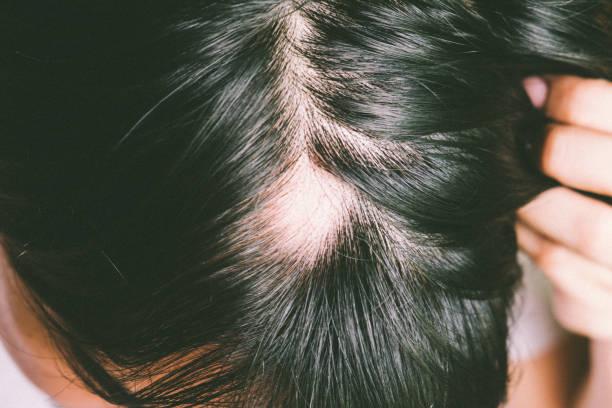
Alopecia areata is an autoimmune condition that causes hair loss when the immune system mistakenly attacks hair follicles, leading to patchy hair loss on the scalp, beard, eyebrows, or other areas of the body. While some people experience limited hair loss, others develop more extensive or persistent symptoms that require medical attention. alopecia hair treatment may include oral medications when a dermatologist determines that systemic treatment is appropriate. Understanding the potential benefits, side effects, and monitoring requirements of these medications can help patients make informed decisions about managing hair loss.
What Are Oral Medications for Alopecia Areata?
Oral medications are taken by mouth and work throughout the body rather than acting only on the skin or scalp. They may be considered when alopecia areata affects larger areas, progresses quickly, or does not respond adequately to localized treatments.
The choice of medication depends on the severity of hair loss, the patient's age, medical history, other medications, and potential risks. Oral treatments do not provide a permanent cure for alopecia areata, and responses can vary considerably. A dermatologist should confirm the diagnosis and discuss suitable options before treatment begins.
Common Types of Oral Medications
Oral Corticosteroids
Oral corticosteroids reduce immune activity and inflammation. A specialist may prescribe them for selected patients with rapidly progressing or extensive alopecia areata when the potential benefits justify the risks.
These medications may help control active hair loss and encourage regrowth in some cases. However, improvement may not last after the medication is reduced or discontinued, and hair loss can return. Because prolonged use can cause significant side effects, oral corticosteroids are generally used cautiously and under close medical supervision.
Janus Kinase (JAK) Inhibitors
JAK inhibitors are targeted prescription medications that interfere with immune-system signaling pathways involved in alopecia areata. Certain oral JAK inhibitors are approved for specific groups of patients with severe alopecia areata in some countries, depending on the product and local regulatory guidance.
These medications may help eligible patients experience substantial hair regrowth, including those with extensive scalp hair loss. However, not everyone responds, and treatment may need to continue to maintain results. A dermatologist must assess whether a particular medication is appropriate based on the patient's condition, medical history, and current prescribing recommendations.
Other Systemic Medications
In selected cases, specialists may consider other oral medicines that influence immune activity. Their use depends on clinical circumstances, local guidance, and the available evidence supporting the treatment.
Some medications may be prescribed off-label, meaning they are used for a purpose that is not specifically included in the product's official approval. Patients should ask why a particular medication is being considered, what evidence supports its use, and what alternatives are available.
Potential Benefits of Oral Treatment
Managing More Extensive Hair Loss
Oral medications can be useful when alopecia areata affects multiple areas or a large proportion of the scalp. Unlike treatments applied to individual patches, systemic medications can influence immune activity throughout the body. This may make them suitable for selected patients whose symptoms are difficult to manage with localized therapies alone.
Supporting Hair Regrowth
Some oral medications can encourage regrowth by reducing the immune response that disrupts normal hair follicle activity. The amount and speed of improvement vary according to the medication and the individual's response.
Patients should understand that regrowth is not guaranteed. Hair may return gradually, and some people may experience incomplete improvement or a recurrence of hair loss.
Offering Additional Treatment Options
For patients who have not responded sufficiently to topical treatments or injections, oral medication may provide another option to discuss with a specialist. Alopecia Areata Treatment in Riyadh should be tailored to the person's clinical needs, balancing possible improvement with the risks associated with systemic medication.
Possible Risks and Side Effects
Oral medications can affect systems beyond the scalp, so understanding their safety profile is essential. The type and likelihood of side effects vary depending on the medication, dose, duration, and individual health factors.
Side Effects of Oral Corticosteroids
Oral corticosteroids may cause increased appetite, sleep disturbances, mood changes, elevated blood pressure, increased blood glucose, and greater susceptibility to infections. Longer-term use can contribute to bone loss, eye complications, and other significant health problems.
These risks are among the reasons corticosteroids require careful supervision. Patients should never change the dose or stop prolonged treatment suddenly without medical advice, as this may be unsafe.
Risks Associated With JAK Inhibitors
JAK inhibitors can increase the risk of infections, including serious infections in some patients. Depending on the specific medication and individual risk factors, other concerns may include changes in blood counts or cholesterol levels, liver-related abnormalities, and an increased risk of certain cardiovascular events, blood clots, or malignancies.
The seriousness and relevance of these risks vary by medication and patient. A clinician will review the official prescribing information and consider personal risk factors before recommending treatment.
Medication Interactions and Individual Health Factors
Existing medical conditions and other medications can influence which treatment is suitable. Patients should tell their dermatologist about previous infections, liver or kidney problems, cardiovascular conditions, a history of blood clots, and all prescription or non-prescription medicines they use.
Some treatments also require special precautions regarding pregnancy, breastfeeding, or vaccination. Do not begin oral medication obtained without a prescription or share medication with another person.
What Medical Monitoring Is Needed?
Before starting systemic treatment, a dermatologist may review the patient's medical history, perform a physical examination, and order laboratory tests. Depending on the medication, these may include blood counts, liver function tests, cholesterol measurements, or screening for certain infections.
Monitoring may continue during treatment to identify potential side effects and determine whether the medication remains appropriate. Patients should attend scheduled appointments and report new symptoms promptly.
Seek urgent medical attention for serious symptoms such as difficulty breathing, severe chest pain, sudden shortness of breath, or painful swelling in one leg. Contact your healthcare professional if you develop a fever, signs of infection, or other unexpected symptoms while taking an immune-modifying medication.
How Long Does Oral Treatment Take to Work?
The timeline for improvement depends on the medication, the extent of hair loss, and the patient's response. Hair regrowth generally takes time because hair follicles follow natural growth cycles. A specialist may need several months to evaluate whether a treatment is providing meaningful benefit.
Regular photographs or scalp assessments can help track changes more consistently. If progress is limited, the dermatologist may review the diagnosis, check adherence, or discuss an alternative treatment plan. Hair regrowth can also decline after treatment stops, so the long-term plan should be discussed before medication begins.
How to Choose the Right Oral Medication
There is no single oral medication that is appropriate for every person with alopecia areata. The decision should consider the severity and progression of hair loss, expected benefits, potential side effects, monitoring requirements, and the patient's preferences.
Ask your dermatologist which medication is being recommended and why, what results are realistic, how safety will be monitored, and what alternatives are available. Alopecia Areata Treatment in Riyadh should involve shared decision-making and ongoing medical supervision rather than relying on products that promise guaranteed hair regrowth.
Conclusion
Oral medications can be an important option for selected patients with extensive or persistent alopecia areata. They may help control immune activity and support hair regrowth, but their effectiveness varies and some treatments carry significant risks. A confirmed diagnosis, careful medication selection, and regular monitoring are essential for safe management.
For individualized guidance, contact Royal Clinic Saudia to discuss your symptoms, available treatment approaches, and whether oral medication may be appropriate for your needs. A qualified specialist can help you understand the benefits and possible risks of Alopecia Areata Treatment in Riyadh and develop a plan based on your health and treatment goals.

 Arabic
 French
 Spanish
 Portuguese
 Deutsch
 Turkish
 Dutch
 Italiano
 Russian
 Romaian
 Portuguese (Brazil)
 Greek
