



• Iri Ji - New Yam Festival in Lejja Autonomous Community

    Cultural Relevance
    Among the Igbo people, yam is the king of crops, and its successful harvest is cause for celebration. The Iri Ji or New Yam Festival in Nsukka is a deeply symbolic event that honors the earth, the deities, and ancestors for a bountiful harvest.

    This festival also represents the beginning of a new agricultural cycle, reinforcing the agrarian roots of the Nsukka people. It promotes gratitude, hospitality, and community sharing.

    Rituals and Ceremonies
    Blessing of the Yams: The oldest man or the traditional chief priest performs the first ritual of breaking and eating roasted yam, which signifies approval from the gods.
    Sacrifices and Offerings: Goats, chickens, and drinks are offered to the gods and ancestors.
    Public Feasting: Once the yams are ritually approved, families cook large meals and share them with neighbors and guests.
    Attire and Performances
    Traditional Outfits: Men wear isiagu tops and red caps; women adorn themselves with colorful wrappers, beads, and coral necklaces.
    Music and Dance: Drummers, flutists, and traditional dancers entertain the crowd in open village squares.
    Masquerades: Some communities also incorporate light-hearted masquerades to entertain children and visitors.
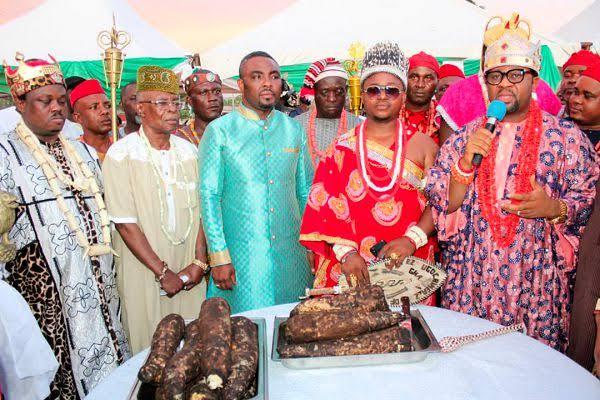
    Iri Ji - New Yam Festival in Lejja Autonomous Community Cultural Relevance Among the Igbo people, yam is the king of crops, and its successful harvest is cause for celebration. The Iri Ji or New Yam Festival in Nsukka is a deeply symbolic event that honors the earth, the deities, and ancestors for a bountiful harvest. This festival also represents the beginning of a new agricultural cycle, reinforcing the agrarian roots of the Nsukka people. It promotes gratitude, hospitality, and community sharing. Rituals and Ceremonies Blessing of the Yams: The oldest man or the traditional chief priest performs the first ritual of breaking and eating roasted yam, which signifies approval from the gods. Sacrifices and Offerings: Goats, chickens, and drinks are offered to the gods and ancestors. Public Feasting: Once the yams are ritually approved, families cook large meals and share them with neighbors and guests. Attire and Performances Traditional Outfits: Men wear isiagu tops and red caps; women adorn themselves with colorful wrappers, beads, and coral necklaces. Music and Dance: Drummers, flutists, and traditional dancers entertain the crowd in open village squares. Masquerades: Some communities also incorporate light-hearted masquerades to entertain children and visitors.
    0 Commentarii 0 Distribuiri 2K Views 0 previzualizare
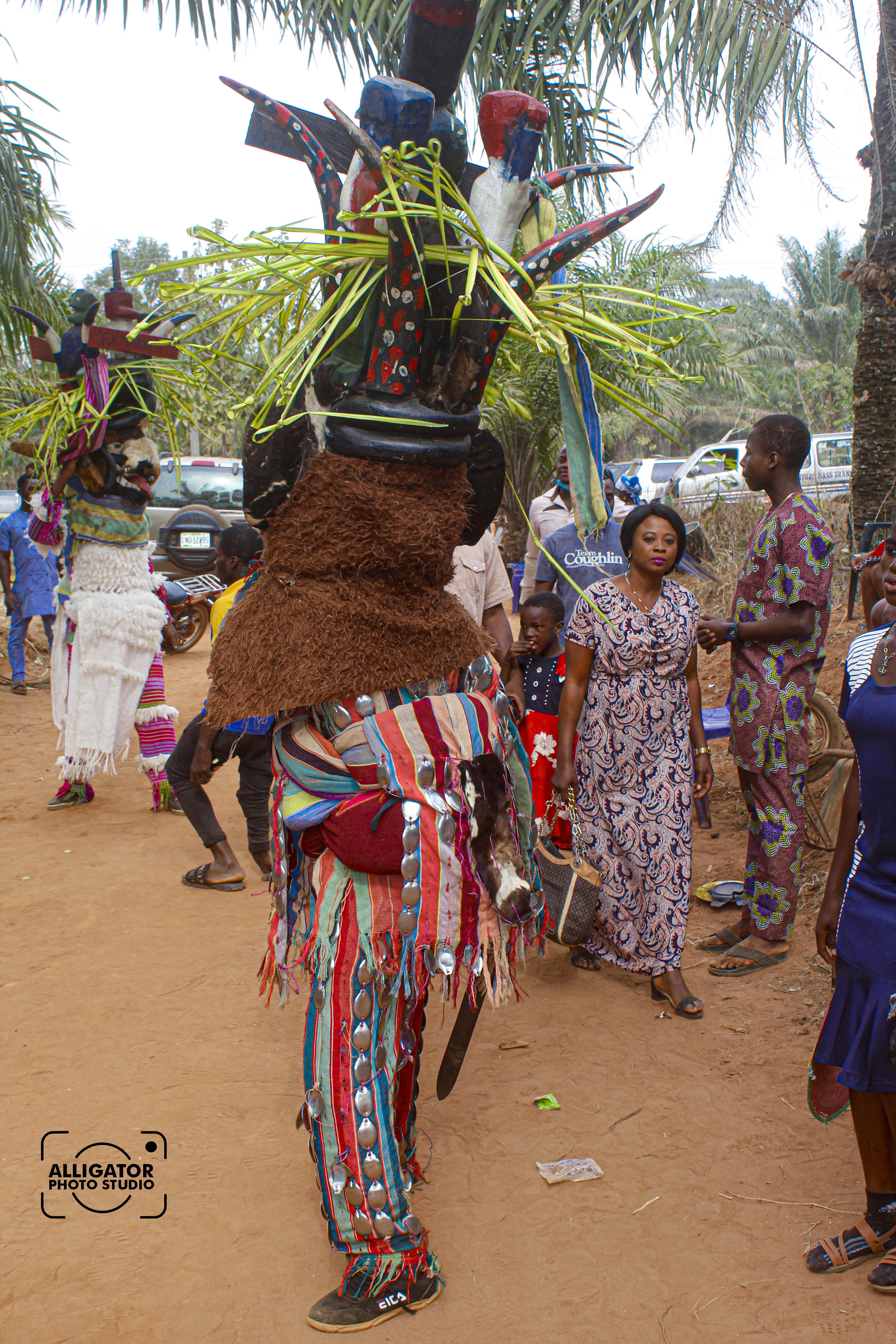
  • Agaba masquerade displays in funeral ceremony of Onyishi in Nsukka, Enugu State Nigeria.
    Agaba masquerade displays in funeral ceremony of Onyishi in Nsukka, Enugu State Nigeria.
    0 Commentarii 0 Distribuiri 967 Views 0 previzualizare
  • Historical and Cultural Heritage
    Ancient Iron-Smelling Site

    Ancient slag heaps, sacred shrines, and archaeological remains that make Lejja famous worldwide. The site continues to have cultural and spiritual significance for the community.
    Historical and Cultural Heritage Ancient Iron-Smelling Site Ancient slag heaps, sacred shrines, and archaeological remains that make Lejja famous worldwide. The site continues to have cultural and spiritual significance for the community.
    0 Commentarii 0 Distribuiri 1K Views 0 previzualizare
  • ODO FESTIVAL IN LEJJA AUTONOMOUS COMMUNITY:
    Cultural Significance
    The Odo Festival is arguably the most iconic of all Nsukka festivals. Celebrated in communities such as Ede-Oballa, Obollo-Afor, Lejja, and Okpuje, this masquerade festival is held in honor of the ancestral spirits known as Odo. The Odo are believed to be ancestral beings who return from the spiritual realm to commune with the living.

    This festival is not merely symbolic—it is a sacred ritual. It reinforces traditional beliefs, social norms, and moral conduct. The presence of the Odo serves as both a blessing and a reminder of ancestral surveillance.

    Timing and Duration
    The Odo Festival is biennial, occurring every two years, typically between February and April. It lasts for several weeks, involving multiple phases: the arrival of the Odo, their interactions with the community, and their eventual send-off back to the spiritual world.

    Main Activities
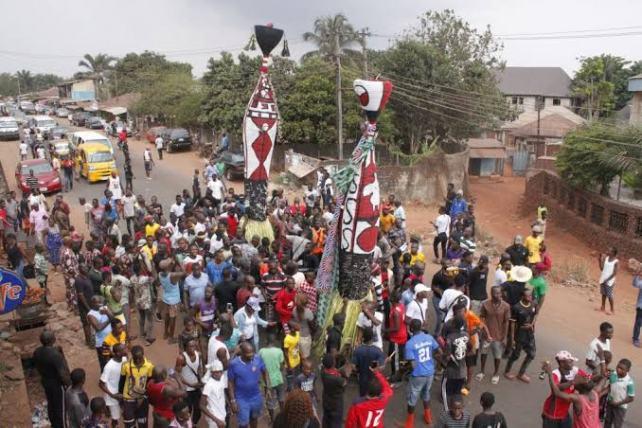
    Masquerade Processions: Odo masquerades, adorned in intricately designed costumes and wooden masks, move around villages, visiting homes and performing rituals.
    Chants and Drumming: Traditional drummers accompany the Odo with sacred rhythms, while chanters invoke ancestral names and stories.
    Community Cleansing: Villagers perform rituals to cleanse their homes and community spaces of evil or misfortune.
    Community Impact
    The Odo Festival strengthens intergenerational bonds as older members pass down history and rituals to the youth. It also draws attention from cultural tourists and researchers, offering economic and academic opportunities.
    ODO FESTIVAL IN LEJJA AUTONOMOUS COMMUNITY: Cultural Significance The Odo Festival is arguably the most iconic of all Nsukka festivals. Celebrated in communities such as Ede-Oballa, Obollo-Afor, Lejja, and Okpuje, this masquerade festival is held in honor of the ancestral spirits known as Odo. The Odo are believed to be ancestral beings who return from the spiritual realm to commune with the living. This festival is not merely symbolic—it is a sacred ritual. It reinforces traditional beliefs, social norms, and moral conduct. The presence of the Odo serves as both a blessing and a reminder of ancestral surveillance. Timing and Duration The Odo Festival is biennial, occurring every two years, typically between February and April. It lasts for several weeks, involving multiple phases: the arrival of the Odo, their interactions with the community, and their eventual send-off back to the spiritual world. Main Activities Masquerade Processions: Odo masquerades, adorned in intricately designed costumes and wooden masks, move around villages, visiting homes and performing rituals. Chants and Drumming: Traditional drummers accompany the Odo with sacred rhythms, while chanters invoke ancestral names and stories. Community Cleansing: Villagers perform rituals to cleanse their homes and community spaces of evil or misfortune. Community Impact The Odo Festival strengthens intergenerational bonds as older members pass down history and rituals to the youth. It also draws attention from cultural tourists and researchers, offering economic and academic opportunities.
    0 Commentarii 0 Distribuiri 3K Views 0 previzualizare
  • IRI JI FESTIVAL - NEW YAM FESTIVAL
    Cultural Relevance
    Among the Igbo people, yam is the king of crops, and its successful harvest is cause for celebration. The Iri Ji or New Yam Festival in Nsukka is a deeply symbolic event that honors the earth, the deities, and ancestors for a bountiful harvest.

    This festival also represents the beginning of a new agricultural cycle, reinforcing the agrarian roots of the Nsukka people. It promotes gratitude, hospitality, and community sharing.

    Rituals and Ceremonies
    Blessing of the Yams: The oldest man or the traditional chief priest performs the first ritual of breaking and eating roasted yam, which signifies approval from the gods.
    Sacrifices and Offerings: Goats, chickens, and drinks are offered to the gods and ancestors.
    Public Feasting: Once the yams are ritually approved, families cook large meals and share them with neighbors and guests.
    Attire and Performances
    Traditional Outfits: Men wear isiagu tops and red caps; women adorn themselves with colorful wrappers, beads, and coral necklaces.
    Music and Dance: Drummers, flutists, and traditional dancers entertain the crowd in open village squares.
    Masquerades: Some communities also incorporate light-hearted masquerades to entertain children and visitors.
    IRI JI FESTIVAL - NEW YAM FESTIVAL Cultural Relevance Among the Igbo people, yam is the king of crops, and its successful harvest is cause for celebration. The Iri Ji or New Yam Festival in Nsukka is a deeply symbolic event that honors the earth, the deities, and ancestors for a bountiful harvest. This festival also represents the beginning of a new agricultural cycle, reinforcing the agrarian roots of the Nsukka people. It promotes gratitude, hospitality, and community sharing. Rituals and Ceremonies Blessing of the Yams: The oldest man or the traditional chief priest performs the first ritual of breaking and eating roasted yam, which signifies approval from the gods. Sacrifices and Offerings: Goats, chickens, and drinks are offered to the gods and ancestors. Public Feasting: Once the yams are ritually approved, families cook large meals and share them with neighbors and guests. Attire and Performances Traditional Outfits: Men wear isiagu tops and red caps; women adorn themselves with colorful wrappers, beads, and coral necklaces. Music and Dance: Drummers, flutists, and traditional dancers entertain the crowd in open village squares. Masquerades: Some communities also incorporate light-hearted masquerades to entertain children and visitors.
    0 Commentarii 0 Distribuiri 1K Views 0 previzualizare
  • Agriculture: The Lifeblood of Eha-Etiti
    The wider Eha-Alumona area is renowned for its agricultural productivity and has often been described as one of the food-producing regions of Enugu State.

    Local farmers contribute significantly through the cultivation of:

    🌱 Yam

    🌽 Maize

    🍌 Plantain

    🥥 Palm produce

    🍊 Citrus fruits

    Agriculture remains a major source of livelihood and presents opportunities for agribusiness, cooperatives, and youth entrepreneurship.

    #Agriculture #FoodBasket #EhaEtiti #Nsukka #Enugu
    Agriculture: The Lifeblood of Eha-Etiti The wider Eha-Alumona area is renowned for its agricultural productivity and has often been described as one of the food-producing regions of Enugu State. Local farmers contribute significantly through the cultivation of: 🌱 Yam 🌽 Maize 🍌 Plantain 🥥 Palm produce 🍊 Citrus fruits Agriculture remains a major source of livelihood and presents opportunities for agribusiness, cooperatives, and youth entrepreneurship. #Agriculture #FoodBasket #EhaEtiti #Nsukka #Enugu
    0 Commentarii 0 Distribuiri 3K Views 0 previzualizare
  • Welcome to Eha-Ulor – A Community of Heritage, Unity, and Progress
    Eha-Ulor Autonomous Community is one of the communities that make up the historic Eha-Alumona area in Nsukka Local Government Area of Enugu State.

    The community reflects the values that have defined Nsukka communities for generations: respect for tradition, strong family ties, hard work, community service, and a commitment to development.

    As Eha-Ulor continues to grow, residents at home and abroad remain connected through shared culture, community projects, and a common vision for progress.

    #EhaUlor #EhaAlumona #Nsukka #EnuguState
    Welcome to Eha-Ulor – A Community of Heritage, Unity, and Progress Eha-Ulor Autonomous Community is one of the communities that make up the historic Eha-Alumona area in Nsukka Local Government Area of Enugu State. The community reflects the values that have defined Nsukka communities for generations: respect for tradition, strong family ties, hard work, community service, and a commitment to development. As Eha-Ulor continues to grow, residents at home and abroad remain connected through shared culture, community projects, and a common vision for progress. #EhaUlor #EhaAlumona #Nsukka #EnuguState
    0 Commentarii 0 Distribuiri 2K Views 0 previzualizare
  • The Eha-Ulor Story: Part of the Historic Eha-Alumona Heritage

    Oral traditions in the Nsukka area describe Eha as sharing ancestral connections with neighboring communities such as Nsukka, Obukpa, and Okpuje.

    These historical relationships helped shape what is known today as Eha-Alumona, one of the culturally significant communities in Nsukka land.

    Understanding our roots helps preserve our identity and guide future generations.

    #History #EhaUlor #CulturalHeritage
    The Eha-Ulor Story: Part of the Historic Eha-Alumona Heritage Oral traditions in the Nsukka area describe Eha as sharing ancestral connections with neighboring communities such as Nsukka, Obukpa, and Okpuje. These historical relationships helped shape what is known today as Eha-Alumona, one of the culturally significant communities in Nsukka land. Understanding our roots helps preserve our identity and guide future generations. #History #EhaUlor #CulturalHeritage
    0 Commentarii 0 Distribuiri 5K Views 0 previzualizare
  • Strong Communities Are Built Through Leadership
    Community leadership remains important for peace, development, and cultural preservation.

    Town unions, elders, youth groups, women associations, and traditional institutions all contribute to community progress and social cohesion.

    Active citizen participation remains one of the most powerful tools for sustainable development.

    #Leadership #CommunityDevelopment #EhaUlor
    Strong Communities Are Built Through Leadership Community leadership remains important for peace, development, and cultural preservation. Town unions, elders, youth groups, women associations, and traditional institutions all contribute to community progress and social cohesion. Active citizen participation remains one of the most powerful tools for sustainable development. #Leadership #CommunityDevelopment #EhaUlor
    0 Commentarii 0 Distribuiri 3K Views 0 previzualizare
  • Welcome to Umabor – A Community Rooted in Unity and Progress
    Umabor Autonomous Community is a proud community in Nsukka Local Government Area of Enugu State, known for its strong family values, cultural heritage, and commitment to development.

    The community continues to build on generations of hard work, community cooperation, and shared aspirations for a better future.

    Through the efforts of residents, traditional leaders, youth groups, women associations, and diaspora members, Umabor remains focused on growth, peace, and sustainable development.

    📍 Nsukka LGA, Enugu State, Nigeria

    #UmaborCommunity #Nsukka #EnuguState
    Welcome to Umabor – A Community Rooted in Unity and Progress Umabor Autonomous Community is a proud community in Nsukka Local Government Area of Enugu State, known for its strong family values, cultural heritage, and commitment to development. The community continues to build on generations of hard work, community cooperation, and shared aspirations for a better future. Through the efforts of residents, traditional leaders, youth groups, women associations, and diaspora members, Umabor remains focused on growth, peace, and sustainable development. 📍 Nsukka LGA, Enugu State, Nigeria #UmaborCommunity #Nsukka #EnuguState
    1 Commentarii 0 Distribuiri 2K Views 0 previzualizare
Autonomous Communities https://autonomouscommunities.com
