Agu Umabor is one of the autonomous communities in Eha-Alumona, Nsukka Local Government Area of Enugu State.
During the Nigeria Civil war, it played host to displaced persons from most of the local government areas in Enugu North Senatorial zone. The IDPs enjoyed the hospitality of the community throughout the period the war lasted.
However, Agu Umabor remains the only community in Eha-Alumona town that is yet to be connected to the national grid. It is a community in the dark. Most of the residents of the community have never seen an electric bulb.
NEWSSaving Enugu community where human beings serve as hearse, ambulancePublished on January 12, 2016 By Emmanuel Uzodinma
village
Agu Umabor is one of the autonomous communities in Eha-Alumona, Nsukka Local Government Area of Enugu State.
During the Nigeria Civil war, it played host to displaced persons from most of the local government areas in Enugu North Senatorial zone. The IDPs enjoyed the hospitality of the community throughout the period the war lasted.
However, Agu Umabor remains the only community in Eha-Alumona town that is yet to be connected to the national grid. It is a community in the dark. Most of the residents of the community have never seen an electric bulb.
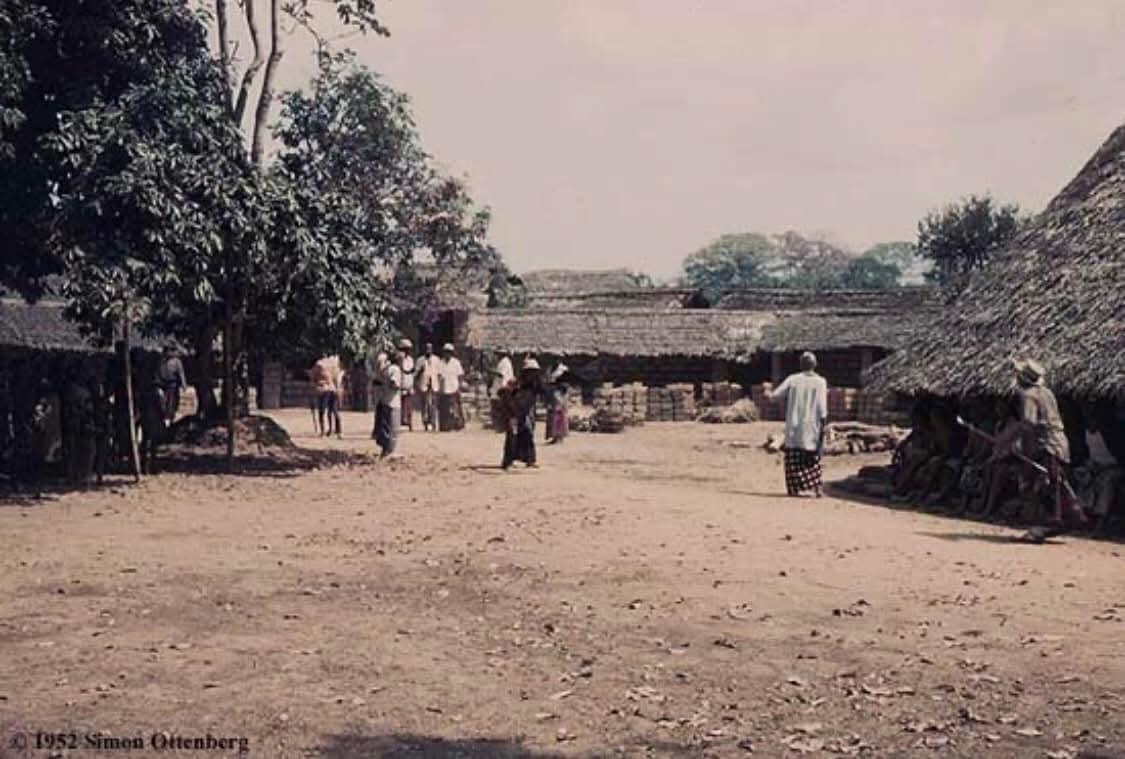
A trip to Agu Umabor is like a journey to nowhere. A stranger would likely have the impression that he was going to an evil forest. No access road, no electricity, factors combining to make the journey dreadful.
Ordinarily, a journey to Agu Umabor from Premier Junction, Eha-Alumona is not supposed to last for more than 20 minutes. However, with the terrible nature of the road, the trip takes more than 2 hours. It is hardly accessed with vehicles. The only means of transportation has remained commercial motorcycle riders, who have so much monopolized the journey owing to the bad nature of the road. The poor rural dwellers are forced to cough out between N1000 and N1500 each time they plan to visit their relatives outside the area or go to market. This is considering that once you get to the community, you cannot go beyond it as there is hardly any other road connecting it to other communities.
Although the community is very close to Enugu capital city, there is no connecting road. Consequently, the residents must mount motorbike, drive for nearly one hour in what could be explained as a ‘merry go round’, before they can board a vehicle to Enugu.
Also worrisome is the discovery that the community has never been captured in Enugu’s budget ever since the State was created. No wonder it looks like a community in another world. Little wonder the residents look forgotten, dejected and neglected.
One of the worst scenes in Agu Umabor is the manner they convey dead bodies to places of burial. Owing to lack of roads, residents turn themselves to hearse. For a journey of more than three hours, members of the community lifts the coffin on the waiting head of two volunteers. Two of the volunteers would stand erect, one in the front and the other person slightly behind. The coffin is now lifted unto their heads and they will take off accompanied by wailing women. At intervals of 30 minutes, the corpse bearers exchange with two other persons while they have some rest. Most times, stench would be oozing out from the corpse in question, which may have lasted for two or more days. This is the agony of a people with no access road, where poverty does not just stink but speaks.
The situation is the same in the area of health and educational facilities. It is quite unbelievable that a community with a population of over five thousand residents has no single hospital. As unbelievable as it may sound, there is no functional hospital in the community. A dying person has to be transported for over three hours, with motorbike serving as ambulance. In most cases, the patient dies even before getting to the hospital owing to the stress and rigours involved in traveling via the death-path called road. Only few hardly makes the journey alive to the poorly equipped private church hospital outside the community.
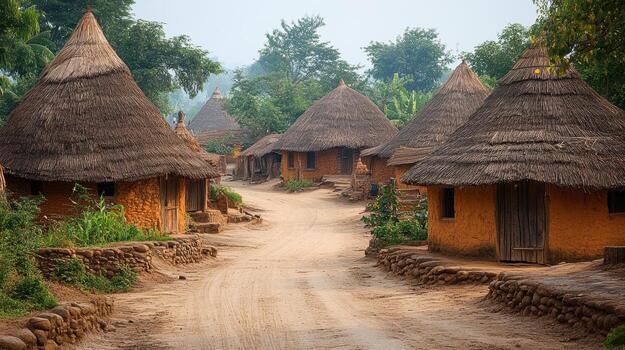
Their primary schools is like a goat barn, not different from most of the residential houses found in the area. This is as over 80 percent of the buildings in the community are mud houses. The teachers, who helplessly reside outside the community, rarely comes to school more than once in a week.
BBC News Igbo
Igbo history.TV
Ikenga-Ndi Igbo-TV
Igbo TV
IGBO HISTORY.TV...GROUP (SINCE 3000BC)
Ikenga Ndi Igbo.Group✅ ( History-since 18 .BC)
Agu Umabor is one of the autonomous communities in Eha-Alumona, Nsukka Local Government Area of Enugu State.
During the Nigeria Civil war, it played host to displaced persons from most of the local government areas in Enugu North Senatorial zone. The IDPs enjoyed the hospitality of the community throughout the period the war lasted.
However, Agu Umabor remains the only community in Eha-Alumona town that is yet to be connected to the national grid. It is a community in the dark. Most of the residents of the community have never seen an electric bulb.
NEWSSaving Enugu community where human beings serve as hearse, ambulancePublished on January 12, 2016 By Emmanuel Uzodinma
village
Agu Umabor is one of the autonomous communities in Eha-Alumona, Nsukka Local Government Area of Enugu State.
During the Nigeria Civil war, it played host to displaced persons from most of the local government areas in Enugu North Senatorial zone. The IDPs enjoyed the hospitality of the community throughout the period the war lasted.
However, Agu Umabor remains the only community in Eha-Alumona town that is yet to be connected to the national grid. It is a community in the dark. Most of the residents of the community have never seen an electric bulb.
A trip to Agu Umabor is like a journey to nowhere. A stranger would likely have the impression that he was going to an evil forest. No access road, no electricity, factors combining to make the journey dreadful.
Ordinarily, a journey to Agu Umabor from Premier Junction, Eha-Alumona is not supposed to last for more than 20 minutes. However, with the terrible nature of the road, the trip takes more than 2 hours. It is hardly accessed with vehicles. The only means of transportation has remained commercial motorcycle riders, who have so much monopolized the journey owing to the bad nature of the road. The poor rural dwellers are forced to cough out between N1000 and N1500 each time they plan to visit their relatives outside the area or go to market. This is considering that once you get to the community, you cannot go beyond it as there is hardly any other road connecting it to other communities.
Although the community is very close to Enugu capital city, there is no connecting road. Consequently, the residents must mount motorbike, drive for nearly one hour in what could be explained as a ‘merry go round’, before they can board a vehicle to Enugu.
Also worrisome is the discovery that the community has never been captured in Enugu’s budget ever since the State was created. No wonder it looks like a community in another world. Little wonder the residents look forgotten, dejected and neglected.
One of the worst scenes in Agu Umabor is the manner they convey dead bodies to places of burial. Owing to lack of roads, residents turn themselves to hearse. For a journey of more than three hours, members of the community lifts the coffin on the waiting head of two volunteers. Two of the volunteers would stand erect, one in the front and the other person slightly behind. The coffin is now lifted unto their heads and they will take off accompanied by wailing women. At intervals of 30 minutes, the corpse bearers exchange with two other persons while they have some rest. Most times, stench would be oozing out from the corpse in question, which may have lasted for two or more days. This is the agony of a people with no access road, where poverty does not just stink but speaks.
The situation is the same in the area of health and educational facilities. It is quite unbelievable that a community with a population of over five thousand residents has no single hospital. As unbelievable as it may sound, there is no functional hospital in the community. A dying person has to be transported for over three hours, with motorbike serving as ambulance. In most cases, the patient dies even before getting to the hospital owing to the stress and rigours involved in traveling via the death-path called road. Only few hardly makes the journey alive to the poorly equipped private church hospital outside the community.
Their primary schools is like a goat barn, not different from most of the residential houses found in the area. This is as over 80 percent of the buildings in the community are mud houses. The teachers, who helplessly reside outside the community, rarely comes to school more than once in a week.
BBC News Igbo
Igbo history.TV
Ikenga-Ndi Igbo-TV
Igbo TV
IGBO HISTORY.TV...GROUP (SINCE 3000BC)
Ikenga Ndi Igbo.Group✅ ( History-since 18 .BC)
🌍 UMABOR AUTONOMOUS COMMUNITY
Nsukka Local Government Area, Enugu State, Nigeria 🇳🇬
🏡 1. Opening Summary
Umabor Autonomous Community is a culturally rich and historically grounded Nsukka community whose strength lies in its deep ancestral heritage, strong family networks, resilient people, and unwavering commitment to collective growth and development.
Nestled within the vibrant cultural landscape of Nsukka Local Government Area, Umabor represents the enduring values of unity, hard work, community service, and respect for tradition that have shaped generations of its people.
📜 2. History & Origin
The story of Umabor is deeply intertwined with the broader history of the Nsukka cultural region. Like many ancient Igbo communities, its origins are preserved through oral traditions, ancestral narratives, family genealogies, and traditional institutions.
The name Umabor is believed to be connected to ancestral lineage and family settlement patterns that gave rise to the community over several generations. Oral history suggests that the community developed through the expansion of family compounds, kindreds, and village settlements, creating a strong foundation for social organization and communal living.
As the population grew, Umabor established systems of leadership, land administration, cultural preservation, and conflict resolution that continue to guide community life today.
The community's journey toward autonomous status strengthened local governance, enhanced cultural identity, and provided greater opportunities for organized development planning.
📖 Available local records regarding exact migration routes, founding dates, and detailed ancestral settlement histories are limited and may require further documentation through community elders and historians.
👨👩👧👦 3. Community Identity & Lifestyle
The people of Umabor are known for their:
✅ Strong communal spirit
✅ Respect for elders and tradition
✅ Family-centered lifestyle
✅ Hard work and resilience
✅ Hospitality
✅ Educational aspirations
✅ Commitment to community development
Family remains the heart of social life, with extended family structures providing support during important life events such as marriages, festivals, funerals, and community projects.
Community members maintain strong ties to their ancestral homeland, creating a culture where residents and diaspora members remain actively involved in local affairs.
The everyday character of Umabor reflects values of cooperation, responsibility, dignity, and collective progress.
👑 4. Governance & Leadership
Umabor operates through a combination of traditional authority and modern community administration.
🏛️ Traditional Leadership
The traditional institution serves as custodian of:
Cultural heritage
Community customs
Traditional dispute resolution
Ancestral lands and sacred traditions
Leadership structures commonly include:
Traditional Ruler (Igwe)
Council of Elders
Village Heads
Kindred Leaders
🤝 Community Administration
Development initiatives are often coordinated through:
Town Union Executives
Development Associations
Welfare Committees
Community Project Teams
👨 Youth Leadership
Youth organizations contribute through:
Community service
Environmental sanitation
Development projects
Security support
👩 Women Leadership
Women's associations play important roles in:
Family welfare
Economic empowerment
Community mobilization
Social support activities
🌍 Diaspora Structures
Umabor indigenes living across Nigeria and abroad often organize through town unions and development associations that support local projects and community advancement.
🏘️ 5. Villages & Internal Structure
Like many communities in Nsukka land, Umabor is traditionally organized around:
Villages
Kindreds
Family compounds
Lineage groups
Age-grade institutions
These structures serve important functions in governance, social welfare, cultural preservation, and community development.
📖 Available local records regarding the complete contemporary village, ward, and kindred structure are limited and should be validated through community leadership.
🎭 6. Culture, Festivals & Heritage
Culture remains a defining feature of Umabor's identity.
🌾 New Yam Festival (Iri Ji)
The New Yam Festival remains one of the most important annual celebrations.
The festival symbolizes:
🌱 Gratitude
🌾 Agricultural success
🤝 Community unity
🔄 Renewal and continuity
Activities often include:
🥁 Traditional drumming
💃 Cultural dances
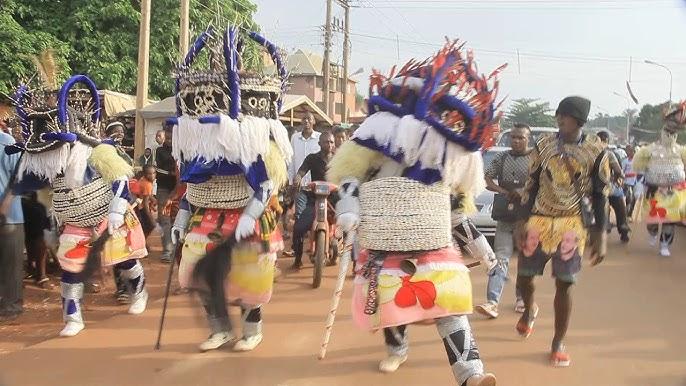
🎭 Masquerade performances
🍲 Community feasting
👨👩👧👦 Family reunions
🎭 Masquerade Traditions
Masquerades continue to play important ceremonial and cultural roles by preserving oral traditions, community values, and ancestral heritage.
👰 Marriage Customs
Traditional marriage ceremonies commonly involve:
Family introductions
Bride price negotiations
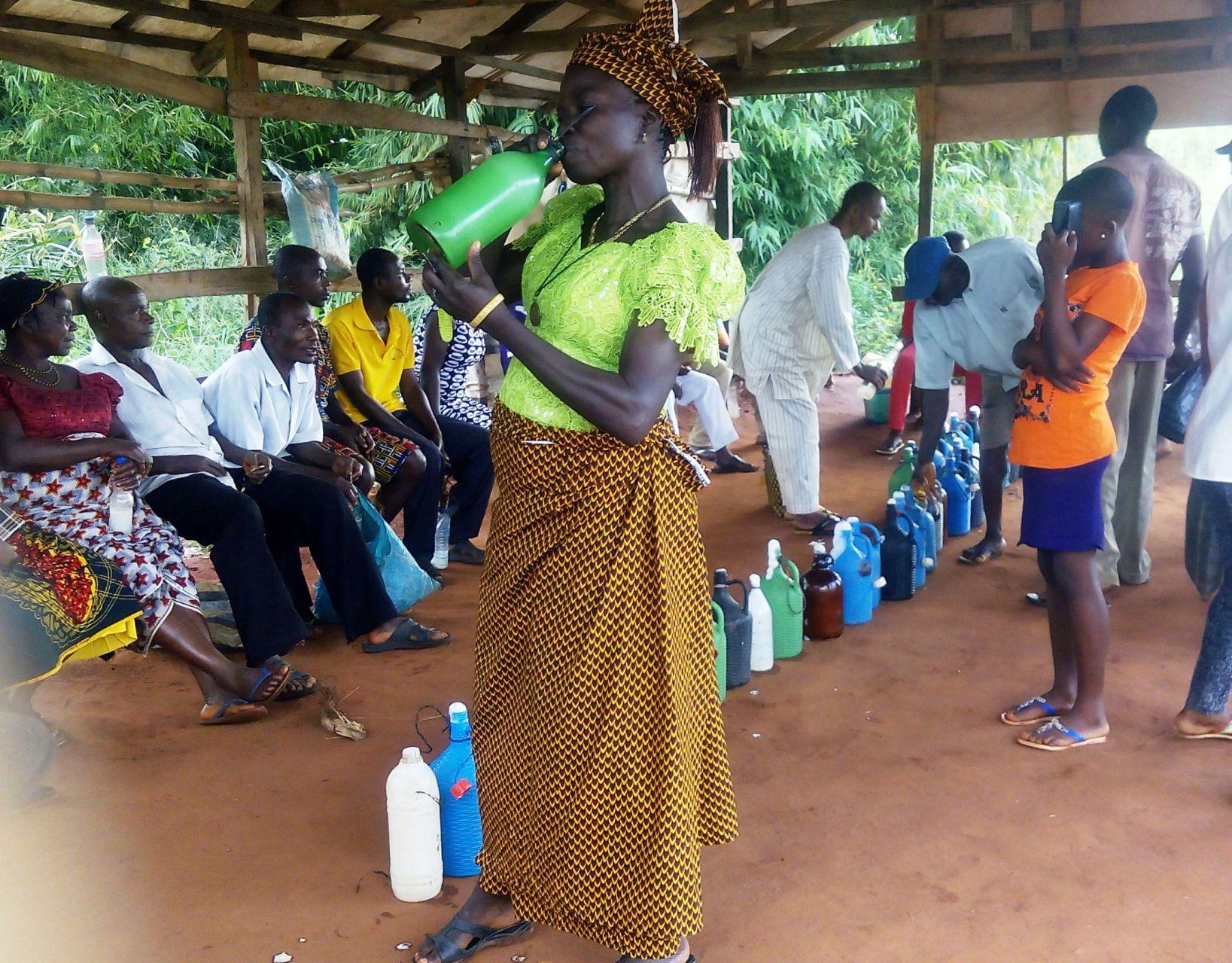
Traditional wine presentation
Blessings from elders
🕊️ Burial Customs
Funeral ceremonies emphasize:
Respect for ancestors
Family solidarity
Community participation
Celebration of a life well lived
🍲 Traditional Cuisine
Popular foods include:
Yam
Cassava products
Vegetable soups
Palm wine
Traditional Nsukka delicacies
👘 Traditional Attire
Traditional attire commonly includes:
Isiagu
George wrappers
Beaded regalia
Cultural ceremonial wear
⛪ 7. Religion & Faith Institutions
Christianity is the dominant religion within Umabor.
Religious institutions may include:
⛪ Catholic Churches
⛪ Anglican Churches
⛪ Pentecostal Churches
⛪ Independent Christian Ministries
These institutions contribute significantly to:
📚 Education
🏥 Healthcare support
🤝 Charity and welfare
👨 Youth mentorship
🕊️ Peacebuilding
🏘️ Community development
Traditional spiritual heritage remains part of the community's historical identity and cultural memory.
📖 Available records do not indicate a significant mosque population within the community.
💰 8. Economy & Marketplace
The economy of Umabor is supported by agriculture, commerce, skilled trades, public service employment, and diaspora investment.
🌱 Agriculture
Common activities include:
Yam farming
Cassava cultivation
Maize production
Vegetable farming
Palm produce
🛍️ Trading & Commerce
Residents engage in:
Agricultural produce trading
Retail businesses
Food distribution
Household goods sales
🔨 Skilled Trades
Common artisan services include:
Carpentry
Masonry
Tailoring
Welding
Electrical installation
🏢 Public Service & Professional Employment
Many residents work in:
Government institutions
Educational institutions
Healthcare facilities
Private businesses
🌍 Diaspora Contributions
Diaspora remittances support:
Housing projects
Education
Healthcare
Community infrastructure
🛒 Marketplace Opportunities
Suitable listings for AutonomousCommunities.com include:
Agricultural products
Processed food products
Building materials
Fashion services
Transport services
Skilled labor
Professional consulting services
🏥 9. Education, Health & Infrastructure
📚 Education
Education remains highly valued.
Residents benefit from access to:
Primary schools
Secondary schools
Skills acquisition programs
Educational institutions within the wider Nsukka area
🏥 Healthcare
Healthcare services may include:
Community health centers
Pharmacies
Private clinics
Residents also access healthcare services within Nsukka and neighboring communities.
🚧 Infrastructure
Infrastructure includes:
Road networks
Electricity supply
Water facilities
Telecommunications services
🌐 Digital Connectivity
Mobile internet services are available, although service quality may vary depending on location and network coverage.
🛡️ 10. Security, Population & Diaspora
Security
Community security is supported through:
Traditional institutions
Community vigilance groups
Youth participation
Government security agencies
Population
Reliable public population figures specific to Umabor are not readily available.
📖 Available local records are limited.
🌍 Diaspora Community
Umabor maintains an active diaspora presence across:
Lagos
Abuja
Port Harcourt
Europe
North America
Other international destinations
Diaspora members contribute through:
Development projects
Scholarships
Welfare initiatives
Annual homecoming activities
🤝 11. Government, NGO & Development Relevance
Umabor presents valuable opportunities for collaboration with government agencies, NGOs, development partners, and researchers.
Key Development Areas
🌱 Agriculture
📚 Education
🏥 Healthcare
👩 Women's empowerment
👨 Youth development
💻 Digital inclusion
🏘️ Rural infrastructure
SDG Alignment
The community aligns with:
No Poverty
Quality Education
Good Health and Well-being
Gender Equality
Decent Work and Economic Growth
Sustainable Communities
Partnerships for the Goals
Partnership Opportunities
Potential interventions include:
Agricultural modernization
Healthcare outreach programs
Water and sanitation projects
Digital literacy initiatives
Youth entrepreneurship programs
Skills acquisition schemes
🚀 12. Challenges & Opportunities
⚠️ Challenges
Road infrastructure needs
Youth unemployment
Healthcare access limitations
Water supply challenges
Internet connectivity gaps
Market access constraints
Skills development needs
Limited digital visibility
✅ Opportunities
Agricultural value-chain development
Cooperative societies
Diaspora-funded projects
Youth entrepreneurship
Women's enterprise development
Community tourism initiatives
Digital marketplace participation
NGO and government partnerships
🌐 13. Umabor Autonomous Community Digital Profile
The Autonomous Communities Platform can help Umabor build a modern digital identity and strengthen community engagement.
🏛️ Community Profile Page
Showcase:
Community history
Leadership information
Cultural heritage
Development projects
👥 Community Group
Enable:
Community discussions
Resident engagement
Information sharing
🛒 Marketplace
Promote:
Local businesses
Agricultural products
Professional services
📅 Events Hub
Publish:
Festivals
Meetings
Development programs
📢 Announcements
Share:
Official notices
Community updates
Emergency communications
🌍 Diaspora Engagement
Facilitate:
Fundraising initiatives
Community investment
Volunteer opportunities
📊 Intelligence Dashboard
Track:
Development projects
Community participation
Economic activity
Growth indicators
👥 14. Who Should Engage?
Residents
Stay informed and connected.
Diaspora Members
Support development and maintain cultural ties.
Traditional Leaders
Promote governance visibility and cultural preservation.
Farmers
Expand market access and business opportunities.
Businesses
Increase visibility and customer reach.
Youth & Women Groups
Access opportunities, partnerships, and resources.
NGOs & Government Agencies
Implement impactful development initiatives.
Investors & Researchers
Explore investment and research opportunities.
Cultural Organizations
Preserve and promote local heritage.
⭐ 15. Strengths & Improvement Areas
Top Strengths
Strong cultural identity
Active family and kinship systems
Community solidarity
Agricultural potential
Educational aspirations
Active diaspora participation
Traditional governance structures
Development-oriented population
Areas for Improvement
Road infrastructure
Healthcare services
Water supply systems
Internet connectivity
Youth employment opportunities
Skills development programs
Digital visibility
Market expansion
📈 16. Overall Rating
Category Rating (/10)
Cultural Identity 9/10
Governance Structure 8/10
Local Economy 7/10
Digital Readiness 6/10
Diaspora Strength 8/10
Youth Opportunity 7/10
Infrastructure 6.5/10
Security & Stability 7.5/10
Development Potential 8.5/10
Institutional Partnership Potential 8.5/10
🌟 Final Assessment
Overall, Umabor Community is best described as a culturally proud, resilient, and development-oriented Nsukka community whose strong traditions, family-centered values, agricultural foundation, and active diaspora network provide a solid platform for sustainable growth, social cohesion, and long-term community transformation.
Contributors:
1. Charles Ugwu - Executive Director Autonomous Communities (May 2026)
2. Odinaka Mojekwu - Program Director Autonomous Communities (May 2026)
3. Henry Ugwunnadi - Field Manager Autonomous Communities (May 2026)
4. Maria Ogbe - Project Manager Autonomous Communities (May 2026)
🌍 EHA-ULOR AUTONOMOUS COMMUNITY
Nsukka Local Government Area, Enugu State, Nigeria 🇳🇬
🏡 1. Opening Summary
Eha-Ulor is a proud and historically grounded Nsukka community where ancestral heritage, communal solidarity, cultural pride, and a shared vision for development continue to shape the lives of its people at home and across the diaspora.
Situated within the rich cultural landscape of Nsukka Local Government Area, Eha-Ulor reflects the enduring values of Igbo civilization—strong family systems, respect for tradition, hard work, and collective responsibility for community growth.
📜 2. History & Origin
The history of Eha-Ulor is deeply rooted in the ancestral traditions of Nsukka land. Like many communities in the region, its origins are preserved through oral history, family genealogies, traditional institutions, and stories passed down through generations.
The name Eha-Ulor carries cultural significance that reflects both the identity of the people and their connection to ancestral lands. Community elders and oral traditions continue to serve as custodians of historical knowledge, preserving memories of founding ancestors, settlement patterns, and the evolution of the community.
Over time, family settlements expanded into villages and kindreds, creating social and governance structures that remain important today. Through agricultural development, kinship alliances, and indigenous governance systems, Eha-Ulor grew into a recognized autonomous community within Enugu State.
The journey toward autonomy strengthened local governance, cultural preservation, and development planning, allowing the community to better coordinate its social, economic, and cultural affairs.
📖 Available local records regarding exact migration routes, founding dates, and early settlement histories are limited and may require further documentation through community elders and historical research.
👨👩👧👦 3. Community Identity & Lifestyle
The people of Eha-Ulor are known for values that continue to define community life:
✅ Respect for elders
✅ Strong family bonds
✅ Community cooperation
✅ Hospitality
✅ Hard work and resilience
✅ Educational advancement
✅ Cultural pride
Family remains central to everyday life, with extended family networks providing support during important milestones such as marriages, funerals, festivals, and development projects.
Community members often maintain strong emotional and cultural ties to their ancestral home, creating a sense of belonging that extends beyond geographical boundaries.
The spirit of communal living is reflected in neighborhood cooperation, age-grade activities, traditional ceremonies, and collective participation in development initiatives.
👑 4. Governance & Leadership
Eha-Ulor combines traditional leadership with modern community administration.
🏛️ Traditional Leadership
The traditional institution serves as custodian of:
Community customs
Cultural heritage
Traditional dispute resolution
Ancestral lands and sacred traditions
Leadership structures commonly include:
Traditional Ruler (Igwe)
Council of Elders
Village Heads
Kindred Leaders
🤝 Community Administration
Development and welfare activities are often coordinated through:
Town Union Executives
Development Associations
Community Committees
Welfare Groups
👨 Youth Leadership
Youth organizations contribute through:
Community service
Development projects
Environmental sanitation
Security support initiatives
👩 Women Leadership
Women's groups play significant roles in:
Family welfare
Community mobilization
Economic empowerment
Social support programs
🌍 Diaspora Structures
Eha-Ulor indigenes living in Nigeria and abroad often organize through community associations that support local development projects and promote cultural connections.
🏘️ 5. Villages & Internal Structure
Eha-Ulor is traditionally organized through:
Villages
Kindreds
Family compounds
Lineage groups
Age-grade institutions
These structures help preserve cultural identity, coordinate development activities, support social welfare, and strengthen community governance.
📌 Available local records regarding the complete contemporary village and kindred structure are limited and should be validated through community leadership.
🎭 6. Culture, Festivals & Heritage
Culture remains one of Eha-Ulor's most valuable assets.
🌾 New Yam Festival (Iri Ji)
The New Yam Festival is one of the most important annual celebrations.
It symbolizes:
🌱 Gratitude
🌾 Harvest success
🤝 Community unity
🔄 Renewal and continuity
Festival activities often include:
🥁 Traditional drumming
💃 Cultural dances
🎭 Masquerade displays
🍲 Community feasting
👨👩👧👦 Family reunions
🎭 Masquerade Traditions
Masquerades continue to play important ceremonial and cultural roles, preserving oral history and traditional values while entertaining community members.
👰 Marriage Customs
Traditional marriage ceremonies often involve:
Family introductions
Bride price negotiations
Traditional wine presentation
Blessings from elders
🕊️ Burial Customs
Funeral ceremonies emphasize:
Respect for ancestors
Family solidarity
Community participation
Celebration of life and legacy
🍲 Traditional Cuisine
Popular foods include:
Yam
Cassava products
Vegetable soups
Palm wine
Traditional Nsukka delicacies
👘 Traditional Attire
Traditional attire commonly includes:
Isiagu
George wrappers
Traditional beads
Ceremonial regalia
⛪ 7. Religion & Faith Institutions
Christianity is the predominant religion within Eha-Ulor.
Religious institutions may include:
⛪ Catholic Churches
⛪ Anglican Churches
⛪ Pentecostal Churches
⛪ Independent Christian Ministries
These institutions contribute significantly to:
📚 Education
🏥 Healthcare support
🤝 Charity and welfare
👨 Youth mentorship
🕊️ Peacebuilding
🏘️ Community development
Traditional spiritual heritage remains part of the community's historical identity and cultural memory.
📖 Available records do not indicate a significant mosque population within the community.
💰 8. Economy & Marketplace
The economy of Eha-Ulor is supported by agriculture, commerce, skilled trades, public service employment, and diaspora investment.
🌱 Agriculture
Common agricultural activities include:
Yam farming
Cassava cultivation
Maize production
Vegetable farming
Palm produce
🛍️ Trading & Commerce
Residents engage in:
Agricultural produce trading
Retail businesses
Food distribution
Household goods sales
🔨 Skilled Trades
Local artisans provide services such as:
Carpentry
Masonry
Tailoring
Welding
Electrical installation
🏢 Public Service
Many residents work in:
Government agencies
Educational institutions
Healthcare facilities
Private organizations
🌍 Diaspora Contributions
Diaspora remittances support:
Housing development
Education
Healthcare
Community infrastructure
🛒 Marketplace Opportunities
Suitable listings for AutonomousCommunities.com include:
Agricultural produce
Processed food products
Construction services
Transport services
Fashion and tailoring
Skilled labor services
Professional consulting services
🏥 9. Education, Health & Infrastructure
📚 Education
Education remains a highly valued pillar of community life.
Residents benefit from access to:
Primary schools
Secondary schools
Skills acquisition programs
Educational institutions within the broader Nsukka area
🏥 Healthcare
Healthcare services may include:
Community health centers
Pharmacies
Private clinics
Residents also access healthcare facilities in Nsukka and neighboring communities.
🚧 Infrastructure
Infrastructure includes:
Road networks
Electricity supply
Water facilities
Telecommunications services
🌐 Internet Connectivity
Mobile internet services are available, though reliability may vary depending on location and network coverage.
🛡️ 10. Security, Population & Diaspora
Security
Community security is supported through:
Traditional institutions
Community vigilance groups
Youth participation
Government security agencies
Population
Reliable public population figures specific to Eha-Ulor are not readily available.
📖 Available local records are limited.
🌍 Diaspora Community
Eha-Ulor maintains an active diaspora presence across:
Lagos
Abuja
Port Harcourt
Europe
North America
Other international destinations
Diaspora members contribute through:
Community development projects
Scholarship initiatives
Welfare support
Annual homecoming activities
🤝 11. Government, NGO & Development Relevance
Eha-Ulor presents meaningful opportunities for collaboration with government agencies, NGOs, researchers, and development organizations.
Key Development Areas
🌱 Agriculture
📚 Education
🏥 Healthcare
👩 Women's empowerment
👨 Youth development
💻 Digital inclusion
🏘️ Rural infrastructure
SDG Alignment
The community aligns with:
No Poverty
Quality Education
Good Health and Well-being
Gender Equality
Decent Work and Economic Growth
Sustainable Communities
Partnerships for the Goals
Partnership Opportunities
Potential interventions include:
Agricultural modernization
Digital literacy programs
Skills acquisition projects
Healthcare outreach
Water and sanitation initiatives
Youth entrepreneurship programs
🚀 12. Challenges & Opportunities
⚠️ Challenges
Road infrastructure needs
Youth unemployment
Healthcare access limitations
Water supply challenges
Internet connectivity gaps
Market access constraints
Skills development needs
Limited digital visibility
✅ Opportunities
Agricultural value-chain development
Diaspora-funded projects
Cooperative societies
Youth entrepreneurship
Women's enterprise initiatives
Digital marketplace participation
Community tourism development
NGO and government partnerships
🌐 13. Eha-Ulor Autonomous Community Digital Profile
The Autonomous Communities Platform can help Eha-Ulor establish a strong digital presence.
🏛️ Community Profile Page
Showcase:
Community history
Leadership structure
Cultural heritage
Development projects
👥 Community Group
Enable:
Resident engagement
Community discussions
Information sharing
🛒 Marketplace
Promote:
Businesses
Agricultural products
Professional services
📅 Events Hub
Publish:
Festivals
Meetings
Community programs
📢 Announcements
Share:
Official notices
Community updates
Emergency communications
🌍 Diaspora Engagement
Support:
Fundraising
Project sponsorship
Volunteer initiatives
📊 Intelligence Dashboard
Track:
Development projects
Participation metrics
Community growth indicators
Economic activity
👥 14. Who Should Engage?
Residents
Stay informed and connected.
Diaspora Members
Support development and maintain cultural ties.
Traditional Leaders
Promote governance visibility and cultural preservation.
Farmers
Expand access to markets and opportunities.
Businesses
Increase visibility and customer reach.
Youth & Women Groups
Access partnerships, resources, and opportunities.
NGOs & Government Agencies
Implement impactful development initiatives.
Investors & Researchers
Explore investment and research opportunities.
Cultural Organizations
Preserve and promote local heritage.
⭐ 15. Strengths & Improvement Areas
Top Strengths
Strong cultural identity
Active family and kinship systems
Community solidarity
Agricultural potential
Educational aspirations
Diaspora engagement
Traditional governance structures
Development-oriented population
Areas for Improvement
Road infrastructure
Healthcare services
Water systems
Internet connectivity
Youth employment
Skills development
Digital visibility
Market expansion
📈 16. Overall Rating
Category Rating (/10)
Cultural Identity 9/10
Governance Structure 8/10
Local Economy 7/10
Digital Readiness 6/10
Diaspora Strength 8/10
Youth Opportunity 7/10
Infrastructure 6.5/10
Security & Stability 7.5/10
Development Potential 8.5/10
Institutional Partnership Potential 8.5/10
🌟 Final Assessment
Overall, Eha-Ulor Community is best described as a culturally proud, socially cohesive, and development-minded Nsukka community whose rich heritage, resilient people, strong family structures, and growing diaspora network provide a solid foundation for sustainable development, economic growth, and community transformation for future generations.
Contributors:
1. Charles Ugwu - Executive Director Autonomous Communities (May 2026)
2. Odinaka Mojekwu - Program Director Autonomous Communities (May 2026)
3. Henry Ugwunnadi - Field Manager Autonomous Communities (May 2026)
4. Maria Ogbe - Project Manager Autonomous Communities (May 2026)
🏡 About Agbamere Nsukka Autonomous Community
📍 Located in Nsukka LGA, Enugu State, Nigeria
1. 🌟 Opening Summary
Agbamere Nsukka Autonomous Community is a proud Igbo-rooted rural settlement defined by deep kinship ties, agricultural resilience, and a strong sense of communal identity anchored in tradition, family lineage, and shared progress.
2. 📜 History & Origin
Available local records on the early founding history of Agbamere Nsukka Autonomous Community are limited in documented form, but like many communities in Nsukka cultural zone, its origin is closely tied to ancient Igbo migration patterns, extended family settlements, and ancestral land occupation.
Historically, communities in this region were formed through:
Expansion of kinship groups over fertile land
Settlement of farming families in clustered homesteads
Gradual evolution of villages into recognized autonomous communities under traditional leadership systems
The name “Agbamere” is understood locally as part of ancestral identity, passed through oral tradition, reflecting lineage, land, and belonging.
Over time, the community attained autonomous recognition, strengthening its administrative and traditional identity within the Nsukka cultural axis.
3. 🧭 Community Identity & Lifestyle
Agbamere Nsukka Community reflects the core values of Igbo rural life:
Strong family and lineage systems (Umunna structure)
Communal cooperation in farming and social support
Respect for elders and traditional authority
Deep attachment to land and ancestry
Daily life is shaped by:
Farming cycles 🌱
Market days 🛍️
Community meetings 🪑
Cultural gatherings and church activities ⛪
The people are known for resilience, hospitality, and strong communal responsibility.
4. 🏛️ Governance & Leadership
The governance structure typically includes:
👑 Traditional Ruler (Igwe/Obi – as applicable locally)
🧓 Council of Elders (village custodians of tradition)
🏘️ Town Union Executive (community administration and development planning)
👩🦱 Women’s Wing (development, welfare, and social coordination)
🧑🤝🧑 Youth Council (mobilization, security support, and innovation)
🌍 Diaspora branches (supporting development from outside the community)
Leadership is highly participatory, with decisions often made through consultation and consensus.
5. 🏘️ Villages & Internal Structure
Available structured documentation on the internal village composition of Agbamere Nsukka Autonomous Community is limited.
However, like most Nsukka communities, it is typically organized into:
Family lineages (Umunna)
Kindreds
Village clusters
Extended homestead settlements
These structures form the foundation of identity, land ownership, and governance participation.
6. 🎭 Culture, Festivals & Heritage
Agbamere Nsukka Community shares in the rich cultural heritage of the Nsukka cultural zone, which includes:
🌾 New Yam Festival (Iri Ji) – thanksgiving for harvest
🎭 Masquerade traditions (Mmanwu) representing ancestral spirits
💍 Traditional marriage rites rooted in extended family approval
⚰️ Burial ceremonies honoring lineage and legacy
🥁 Folk music, storytelling, and community dances
👗 Traditional attire reflecting Igbo pride and identity
Cultural knowledge is preserved largely through oral tradition and communal participation.
7. ⛪ Religion & Faith Institutions
Religion plays a central role in community life:
Predominantly Christian worship (various denominations)
Churches serve as spiritual, educational, and social centers
Occasional blending of cultural heritage with faith practices
Community prayer gatherings and revival programs
Faith institutions often support:
Education
Youth development
Charity and welfare initiatives
8. 💼 Economy & Marketplace
The economy of Agbamere Nsukka Community is primarily rural and agrarian:
Key activities include:
🌽 Farming (yam, cassava, maize, vegetables)
🐓 Small-scale livestock rearing
🛠️ Artisan work (carpentry, masonry, tailoring)
🛍️ Local trading and periodic market exchange
🚗 Transport and motorcycle services (okada)
🌍 Diaspora remittances supporting households and development projects
Youth engagement is gradually increasing in:
Small businesses
Digital skills
Mobile commerce
9. 🏫 Education, Health & Infrastructure
Infrastructure reflects a developing rural community profile:
🏫 Public primary and secondary schools (availability varies by ward)
🏥 Basic health centres and maternity services
💊 Small pharmacies and patent medicine stores
🚰 Water access through boreholes and community wells
⚡ Electricity supply with occasional instability
🛣️ Rural road networks requiring improvement
📶 Limited but growing mobile network/internet access
10. 🛡️ Security, Population & Diaspora
The community is generally peaceful, with:
Community vigilante support systems
Youth involvement in local security awareness
Strong conflict resolution through elders
Population is largely:
Youth-dominated demographic
Active farming-age adults
Elder custodians of tradition
Diaspora presence is significant, with many indigenes living in:
Urban Nigerian cities
Europe and North America
Diaspora engagement includes:
Homecoming events
Community development funding
Education and welfare support
11. 🏛️ Government, NGO & Development Relevance
Agbamere Nsukka Community aligns with:
Local Government development frameworks in Nsukka LGA
State-level rural development initiatives in Enugu State
National development goals such as SDGs
Opportunities exist for:
NGO rural development projects
Agricultural support programs
Youth empowerment schemes
Infrastructure partnerships
12. ⚠️ Challenges & 🌱 Opportunities
Challenges:
Poor rural road infrastructure
Limited healthcare access
Youth unemployment
Inconsistent electricity supply
Limited digital visibility
Water access constraints in some areas
Opportunities:
Agro-based value chain development 🌾
Diaspora-funded infrastructure projects 🌍
Youth skills training & tech adoption 💻
Cooperative societies & microfinance 💰
Cultural tourism and heritage documentation 🎭
Digital community platforms for governance 📲
13. 🌐 Autonomous Communities Digital Profile
Agbamere Nsukka Community can benefit from a structured digital presence through:
🧾 Official community profile page
🗂️ Leadership and governance directory
🛒 Local marketplace listings
📅 Cultural events and festival calendar
📢 Announcements and community news board
🌍 Diaspora engagement portal
📊 Development project tracking dashboard
🧠 Data hub for NGOs and government agencies
This strengthens transparency, visibility, and development coordination.
14. 👥 Who Should Engage?
Residents and indigenes 🏡
Diaspora community 🌍
Traditional rulers & town unions 👑
Youth and women groups 👩🦱🧑🤝🧑
Farmers and local businesses 🌾
NGOs and development partners 🤝
Government agencies 🏛️
Researchers and cultural historians 📚
Investors and social enterprises 💼
15. 💪 Strengths & Improvement Areas
Strengths:
Strong communal identity
Deep cultural heritage
Active diaspora support
Agricultural foundation
Peaceful social structure
Improvement Areas:
Infrastructure development
Digital visibility and documentation
Youth employment pathways
Healthcare expansion
Education resource upgrades
16. 📊 Overall Ratings (Out of 10)
Cultural Identity: 9/10 🎭
Governance Structure: 8/10 🏛️
Local Economy: 7/10 💼
Digital Readiness: 4/10 🌐
Diaspora Strength: 8/10 🌍
Youth Opportunity: 6/10 👥
Infrastructure: 5/10 🛣️
Security: 7/10 🛡️
Development Potential: 8/10 🌱
Institutional Partnership Potential: 8/10 🤝
🌍 Closing Statement
“Overall, Agbamere Nsukka Autonomous Community is best described as a resilient, culturally grounded, and development-ready rural community with strong diaspora ties and significant potential for structured modernization and sustainable growth.”
Contributors👨👩👧👦:
Charles Ugwu – Executive Director
Autonomous Communities (May 2026)
Odinaka Mojekwu – Program Director
Autonomous Communities (May 2026)
Henry Ugwunnadi – Field Manager
Autonomous Communities (May 2026)
Enoobong Etukudoh – Project Manager
Autonomous Communities (May 2026)
━━━━━━━━━━━━━━━━━━━━━━━━━━━━━━━━━━━━━━━━━━━━━━━━━━━━━━
🇳🇬 EHA-NDIAGU AUTONOMOUS COMMUNITY
📍 Nsukka LGA | Enugu State | South-East Nigeria
━━━━━━━━━━━━━━━━━━━━━━━━━━━━━━━━━━━━━━━━━━━━━━━━━━━━━━
"Eha-ndiagu Autonomous Community is a living testament to Igbo agricultural heritage and communal endurance — born from the farmlands of the great Eha-Alumona town, grown into a community of its own, and today a proud autonomous community carrying the spirit of its ancestors into the future."
━━━━━━━━━━━━━━━━━━━━━━━━━━━━━━━━━━━━━
🏺 01. HISTORY & ORIGIN
━━━━━━━━━━━━━━━━━━━━━━━━━━━━━━━━━━━━━
Eha-ndiagu is an Igbo autonomous community in Nsukka Local Government Area, Enugu State, South-East Nigeria. To understand Eha-ndiagu fully, one must first understand its parent town: Eha-Alumona.
🌳 The Parent Town: Eha-Alumona
Eha-ndiagu is part of the larger and historically prominent Eha-Alumona town — one of the well-established communities of the Nsukka zone. Eha-Alumona is the ancestral homeland, the root from which Eha-ndiagu's story grows.
🌾 Origins as a Farm Settlement
Eha-ndiagu began as a farm settlement — known in Igbo as a "ala ọhịa" or rural farming outpost — established by the people of Eha-Alumona. As was common practice across the Nsukka zone, families and kindreds from the main town cleared and cultivated land at a distance from the central community, creating seasonal and eventually permanent farm settlements. Over time, what began as agricultural land worked by Eha-Alumona people became a place where families built homes, raised children, and put down permanent roots.
The very name reflects this origin: "Eha" references a market or communal meeting ground in northern Igbo dialects, while "Ndiagu" points to the people or kindred group associated with the settlement. Together, the name speaks of a people who gathered, farmed, traded, and built a community life on land that was first broken by their Eha-Alumona ancestors.
📖 Name & Meaning
Locally, the settlement is also referenced as "Ehamdiage" — a phonetic and spelling variation that underscores its identity as the farm settlement of the Eha-Alumona people. "Ehamdiage" and "Eha-ndiagu" refer to the same community, with the name evolving as the settlement grew from a farming outpost into a permanent, self-governing community.
🗂️ From Farm Settlement to Autonomous Community
As the population of Eha-ndiagu grew and the community developed its own distinct social, economic, and cultural life, it eventually sought and obtained formal recognition as an Autonomous Community under Enugu State's system of traditional governance. This was a significant milestone — the community graduated from being a settlement of Eha-Alumona to a recognised autonomous entity with its own traditional ruler (Igwe/Eze), town union, and governance structures.
This journey — from farmland to autonomous community — is a story repeated across Nsukka LGA and reflects the dynamic, living nature of Igbo settlement history.
🔗 Continued Ties with Eha-Alumona
Even with autonomous status, Eha-ndiagu maintains deep cultural, kinship, and social ties with Eha-Alumona. The two communities share ancestral lineages, attend each other's festivals and ceremonies, and are bound by the common thread of origin. Autonomy here does not mean separation — it means self-determination within a larger family of communities.
━━━━━━━━━━━━━━━━━━━━━━━━━━━━━━━━━━━━━
🤝 02. COMMUNITY IDENTITY & LIFESTYLE
━━━━━━━━━━━━━━━━━━━━━━━━━━━━━━━━━━━━━
Eha-ndiagu's identity is inseparable from its agricultural roots. It is, at its core, a farming community — and that heritage shapes everything: the rhythm of daily life, the structure of the calendar, the food on every table, and the values instilled in every child.
Rooted in Igbo values of hard work (ọrụ), communal solidarity (ọbodo), respect for elders, and dignity in family life, residents carry pride in both their Eha-Alumona ancestry and their community's journey to autonomous status. The people of Eha-ndiagu know where they came from — and they wear that knowledge with honour.
👨👩👦 Family & Kinship
Life revolves around the extended family compound (obi) — the nucleus of cultural transmission, dispute resolution, and celebration. As a farm settlement community, family identity is deeply tied to land — to specific parcels cleared by specific ancestors, passed down through generations. Children grow up understanding that the land is not just an economic resource but a living inheritance.
Women carry enormous social weight as farmers, traders, mothers, and custodians of cultural practice. Women's associations (Otu Inyom Di) organise welfare, respond to community emergencies, and sustain food production. Youth — increasingly educated and mobile — maintain strong emotional ties to the community, returning for festivals and family ceremonies.
📌 Language: Igbo (Nsukka dialect); Nigerian English widely spoken.
📌 Family Structure: Extended Igbo kinship; patrilineal lineage.
📌 Social Bonds: Age grades, women's groups, kindred meetings, diaspora unions.
📌 Cultural Heritage: Shared with and rooted in Eha-Alumona traditions.
━━━━━━━━━━━━━━━━━━━━━━━━━━━━━━━━━━━━━
🏛️ 03. GOVERNANCE & LEADERSHIP
━━━━━━━━━━━━━━━━━━━━━━━━━━━━━━━━━━━━━
The attainment of autonomous community status marked a defining chapter in Eha-ndiagu's governance story. The community now operates a full traditional governance structure — a milestone that sets it apart from unrecognised settlements and gives it a formal voice in LGA and state affairs.
👑 Traditional Ruler — Igwe / Eze, installed and recognised by Enugu State Government
🧓 Council of Elders — Ndi Ichie / Ọzọ titled men; custodians of tradition and adjudication
🏘️ Town Union — Elected executive; coordinates development, infrastructure, and diaspora engagement
🌱 Youth Wing — Civic mobilisation, community watch, security, and youth enterprise
👩 Women's Leadership — Otu Inyom Di; active in welfare, markets, and cultural life
📅 Age Grades — Structured age sets with defined community roles and responsibilities
🌍 Diaspora Governance
Active diaspora unions operate in major Nigerian cities (Enugu, Lagos, Abuja, Port Harcourt) and internationally. These associations fundraise for community projects, advocate for the community's interests, and maintain cultural identity abroad.
🔗 Relationship with Eha-Alumona
While Eha-ndiagu governs itself as an autonomous community, it remains within the broader Eha-Alumona family of communities. Traditional and social interactions between the two communities continue — including shared participation in major cultural events and inter-community kinship ties.
Note: Specific names of current office holders are best verified directly with the community or the Nsukka LGA Secretariat.
━━━━━━━━━━━━━━━━━━━━━━━━━━━━━━━━━━━━━
🗺️ 04. VILLAGES & INTERNAL STRUCTURE
━━━━━━━━━━━━━━━━━━━━━━━━━━━━━━━━━━━━━
As a former farm settlement that grew into a permanent community, Eha-ndiagu's internal structure reflects both its agricultural origins and its evolution into a self-governing autonomous community. Land — who cleared it, who farmed it, who inherited it — is central to how the community understands its own internal divisions.
Internal units include:
• Village Quarters (names to be verified with local records)
• Multiple Kindreds (ụmụnna) — tracing lineage to Eha-Alumona founding families
• Family Compounds (obi) — many built on ancestral farm plots
• Village Heads (isi obodo)
• Ọfọ Holders per Kindred
• Ward Representatives
Community residents, local historians, and the town union secretariat hold the most accurate records of village names, kindred lists, and land boundaries. Members are invited to submit and verify this information on the platform.
━━━━━━━━━━━━━━━━━━━━━━━━━━━━━━━━━━━━━
🥁 05. CULTURE, FESTIVALS & HERITAGE
━━━━━━━━━━━━━━━━━━━━━━━━━━━━━━━━━━━━━
The cultural life of Eha-ndiagu is rooted in the traditions of Eha-Alumona and the wider Nsukka Igbo heritage. As a farming community, the agricultural calendar shapes its most important celebrations.
🎊 New Yam Festival (Iri Ji)
The New Yam Festival (Iri Ji) holds supreme significance in Eha-ndiagu — perhaps more than in any non-farming community — because yam cultivation is not just tradition here, it is lived daily reality. Celebrated between August and September, Iri Ji gives thanks to Ani (earth goddess) and the ancestors for the harvest. The festival draws home diaspora members, showcases traditional attire and music, and features communal feasting. No yam is eaten before the public ceremony is performed.
🎭 Masquerades (Mmanwu)
Masquerades embody ancestral spirits returning to commune with the living. They appear at funerals, festivals, and sacred seasons — settling disputes, blessing the community, and entertaining through dance and acrobatics.
💍 Marriage Customs
Marriage follows the Igbo sequence: ime ego (preliminary inquiry), ikwa onu (bride price negotiation), igba nkwu (wine-carrying ceremony), and a church blessing — often celebrated with participants from both Eha-ndiagu and Eha-Alumona families.
⚰️ Burial & Funeral Rites
The death of an elder triggers communal mourning and a second burial (ikwa ozu) — days of music, dance, feasting, and masquerade performance, affirming the elder's place in the ancestral realm.
🎶 Music, Dance & Attire
Traditional instruments: ogene (metal gong), ekwe (slit drum), oja (flute), udu (clay pot drum). Men of status dress in ishi-agu and fila caps; women in george wrappers, coral beads, and okpu agu headgear.
🍲 Food Heritage
Staple dishes: ofe onugbu (bitter leaf soup), ofe oha (ora leaf soup), egusi soup, ji mmanu (yam and palm oil), abacha (African salad), nkwobi. Palm wine (mmanya ocha) plays a central ritual and social role. Given its farming identity, fresh produce from the community's own fields features prominently at every communal table.
📣 Oral History
Elders serve as living libraries, preserving the story of how Eha-ndiagu grew from a farm settlement into a community. Storytelling, proverbs, and riddles transmit values and history across generations.
━━━━━━━━━━━━━━━━━━━━━━━━━━━━━━━━━━━━━
✝️ 06. RELIGION & FAITH INSTITUTIONS
━━━━━━━━━━━━━━━━━━━━━━━━━━━━━━━━━━━━━
Eha-ndiagu is a community of plural faith. Christianity — introduced by Roman Catholic missionaries in the early 20th century and diversified through Pentecostal and Protestant denominations — is the dominant practiced religion. The traditional Igbo religious system — honouring Ani (earth goddess), Igwe (sky deity), ancestral spirits, and local shrines — continues to shape the moral and ceremonial landscape.
⛪ Catholic Church — Historically dominant; parish churches, CWO, Catholic Men's Organisation
🙌 Pentecostal / Evangelical — RCCG, Living Faith, Assemblies of God, independent fellowships
🪔 Traditional Religion — Ancestral shrine practices, masquerade ceremonies, Ani veneration
Churches function as community halls, welfare networks, schools, and early childhood care centres. Faith leaders hold significant social authority alongside traditional institutions.
━━━━━━━━━━━━━━━━━━━━━━━━━━━━━━━━━━━━━
🌾 07. ECONOMY & MARKETPLACE
━━━━━━━━━━━━━━━━━━━━━━━━━━━━━━━━━━━━━
Agriculture is not merely a livelihood in Eha-ndiagu — it is the founding purpose of the community's existence. The community was literally built on farmland, and that identity drives its economy to this day.
🌱 Agriculture
Yam (ji) is the prestige and primary crop — deeply tied to the community's very reason for being. Cassava, cocoyam, maize, vegetables (ugu/fluted pumpkin, utazi, garden egg), and palm produce are widely cultivated. Palm oil production is a significant livelihood for women. The land is fertile and productive; agricultural potential remains underutilised due to limited access to modern inputs and market linkages.
🛒 Trade & Markets
Local markets operate on the traditional Igbo four-day cycle (eke, orie, afor, nkwo). Women dominate market trading. Proximity to Nsukka urban market and Eha-Alumona's broader commercial networks provides access to larger trade channels. Tricycles (keke napep) and motorcycles (okada) serve as mobility infrastructure.
🔨 Artisanship & Small Business
Carpentry, masonry, tailoring, hairdressing, auto repair, food vending, and general merchandise retail are widely practiced alongside farming.
💼 Civil Service & Professional Employment
Many indigenes are employed in government service. Proximity to the University of Nigeria, Nsukka has elevated educational aspirations, producing a growing graduate class.
💸 Diaspora Remittances
Remittances from domestic and international diaspora members fund household needs, school fees, house construction, and community development projects.
🛒 Products & Services for the Marketplace:
• Fresh and dried agricultural produce (yam, cassava, palm oil, vegetables)
• Processed local food products (abacha, ogiri, palm wine)
• Traditional attire and crafts (isi-agu fabrics, beadwork, woven items)
• Artisan services (carpentry, masonry, tailoring)
• Agricultural inputs, tools, and smallholder equipment
• Catering and event food services
• Youth-led digital services
━━━━━━━━━━━━━━━━━━━━━━━━━━━━━━━━━━━━━
📚 08. EDUCATION, HEALTH & INFRASTRUCTURE
━━━━━━━━━━━━━━━━━━━━━━━━━━━━━━━━━━━━━
🏫 Education
Education is deeply valued — consistent with the Nsukka zone's academic reputation. The community has access to government and mission primary schools. Secondary school access is available in Nsukka town and through Eha-Alumona's educational institutions. A significant number of indigenes have attained university education, largely through the University of Nigeria, Nsukka.
🏥 Health
The community likely has access to a Primary Healthcare Centre (PHC) under Nsukka LGA Primary Healthcare Authority. For specialist care, residents travel to Nsukka General Hospital or ESUTH in Enugu. Available local health records are limited.
🏗️ Infrastructure
• Roads: Laterite/earth roads internally; main roads connect to Nsukka and Eha-Alumona
• Electricity: EEDC grid connection; frequent outages; solar growing as alternative
• Water: Borehole and hand-pump sources; pipe-borne water limited
• Internet/Telecom: 2G/3G coverage; 4G in Nsukka town
• Transport: Okada, keke, shared minibuses to Nsukka and Eha-Alumona
• Market: Local periodic market; Nsukka and Eha-Alumona markets accessible
━━━━━━━━━━━━━━━━━━━━━━━━━━━━━━━━━━━━━
🛡️ 09. SECURITY, POPULATION & DIASPORA
━━━━━━━━━━━━━━━━━━━━━━━━━━━━━━━━━━━━━
🔐 Security & Safety
Eha-ndiagu is generally peaceful. Strong kinship networks, active age-grade community watch, and the moral authority of traditional and religious leaders sustain social order. Community disputes are frequently resolved internally through elders and the traditional ruler's court. Ties with Eha-Alumona also provide a broader network of social stability.
👥 Population Profile
Available local records are limited on precise figures. Based on Nsukka LGA demographics and the community's character as a former farm settlement turned autonomous community, Eha-ndiagu has a resident population in the range of several thousand people. A significant proportion of younger adults have migrated to urban centres, while elders and farming families form the core resident base.
🌍 Diaspora
• Domestic: Enugu, Lagos, Abuja, Port Harcourt — active town union branches
• International: UK, USA, Canada, Europe — associations and digital groups active
• Homecoming: Annual December homecoming; Iri Ji festival draws diaspora home
• Remittances: Key capital flow for construction, school fees, healthcare, and community projects
━━━━━━━━━━━━━━━━━━━━━━━━━━━━━━━━━━━━━
🤝 10. GOVERNMENT, NGO & DEVELOPMENT RELEVANCE
━━━━━━━━━━━━━━━━━━━━━━━━━━━━━━━━━━━━━
As a recognised autonomous community in Nsukka LGA, Eha-ndiagu engages the LGA Secretariat for project allocations, electoral registration, primary healthcare, and public services. The community's autonomous status — achieved through a defined journey from farm settlement — gives it a formal and credible institutional voice.
🎯 SDG Alignment:
• SDG 1 & 2 — No Poverty, Zero Hunger: smallholder agricultural productivity
• SDG 3 — Good Health: primary healthcare centre strengthening
• SDG 4 — Quality Education: school infrastructure and teacher quality
• SDG 5 — Gender Equality: women's economic and leadership empowerment
• SDG 6 — Clean Water: borehole and water supply expansion
• SDG 7 — Affordable Energy: solar electrification
• SDG 11 — Sustainable Communities: road infrastructure, waste management
• SDG 15 — Life on Land: sustainable farming and soil conservation
🤝 NGO & Partnership Entry Points:
• Agricultural NGOs: smallholder support, cooperative formation, value chain development
• Health Partners: PHC upgrade, maternal health, community health worker training
• Education Partners: school rehabilitation, teacher training, girl-child bursaries
• Energy Partners: solar mini-grid, household solar kits, productive-use energy
━━━━━━━━━━━━━━━━━━━━━━━━━━━━━━━━━━━━━
⚖️ 11. CHALLENGES & OPPORTUNITIES
━━━━━━━━━━━━━━━━━━━━━━━━━━━━━━━━━━━━━
⚠️ Key Challenges:
• Poor internal road network — difficult in rainy season; affects farm produce movement
• Unreliable clean water access; borehole dependency
• Erratic electricity supply (EEDC grid)
• Limited healthcare — no specialist facility within community
• Weak internet connectivity limiting youth opportunity
• Youth unemployment and underemployment; migration pressure
• Low agricultural productivity due to limited modern inputs and post-harvest losses
• School infrastructure gaps and teacher shortages
• Limited formal market access for farm produce
• Low digital visibility — community under-represented online
• Lack of documented community data for development planning
✅ Key Opportunities:
• Agricultural value chain: yam, cassava, palm oil processing and export
• Farm-to-market infrastructure: road access and cold storage
• Diaspora investment: housing, education, agribusiness
• Digital marketplace: listing farm produce and services online
• Agri-tourism: farm experience tourism tied to Nsukka-zone heritage
• Youth and women skills training: agro-processing, IT, enterprise
• NGO and government agricultural development partnerships
• Solar energy expansion for farm productivity and household use
• Cooperative formation: credit, savings, and bulk input purchasing
• Digital community profile on AutonomousCommunities.com
• Branding Eha-ndiagu as a premium Nsukka-zone agricultural community
━━━━━━━━━━━━━━━━━━━━━━━━━━━━━━━━━━━━━
💻 12. AUTONOMOUS COMMUNITIES DIGITAL PROFILE
━━━━━━━━━━━━━━━━━━━━━━━━━━━━━━━━━━━━━
AutonomousCommunities.com offers Eha-ndiagu a dedicated, institution-grade digital presence — transforming the community from invisible to visible locally, nationally, and globally.
What Eha-ndiagu can do on the platform:
📋 Community Profile Page — permanent, searchable identity for researchers, NGOs, investors, and government
🛒 Local Marketplace — farmers, artisans, and businesses list products; diaspora and buyers engage
📅 Events & Festival Calendar — Iri Ji (New Yam), homecoming, town union meetings promoted digitally
📢 Announcements — community-wide communications to residents and diaspora
👑 Leadership Visibility — traditional ruler, town union, women's council verified and publicly accessible
🌍 Diaspora Engagement Hub — connect domestic and international diaspora; coordinate remittances
📊 Project Tracking — document road, water, school, and agricultural projects; show progress to donors
🧠 Intelligence Dashboard — community data, demographics, and development metrics
🤝 Partner Directory — list NGOs, government partners, and investors
💰 Fundraising Tools — transparent community development fundraising
By claiming an active digital profile, Eha-ndiagu signals institutional seriousness — attracting NGO funding, government projects, investor interest, and diaspora engagement in a structured and credible way.
━━━━━━━━━━━━━━━━━━━━━━━━━━━━━━━━━━━━━
👐 13. WHO SHOULD ENGAGE?
━━━━━━━━━━━━━━━━━━━━━━━━━━━━━━━━━━━━━
🏡 Residents — participate in community governance, culture, and development
✈️ Diaspora Members — reconnect, contribute, invest, and advocate
👑 Traditional Leaders — maintain visibility and institutional credibility
🌾 Farmers & Cooperatives — access market linkages, inputs, and agribusiness support
🛒 Local Businesses — list products and services on the marketplace
👩🎓 Youth & Women Groups — access skills training, enterprise, and leadership opportunities
🤝 NGOs & Faith-Based Organisations — partner on health, education, and agriculture
🏛️ Government Agencies — engage a recognised, data-ready autonomous community
💼 Agribusiness Investors — explore yam, cassava, palm oil, and food processing opportunities
🔬 Researchers — access cultural, agricultural, demographic, and development data
🎭 Cultural Organisations — partner on Eha-Alumona/Eha-ndiagu heritage documentation
📸 Tourism & Media — showcase Nsukka-zone farming culture and community life
━━━━━━━━━━━━━━━━━━━━━━━━━━━━━━━━━━━━━
⭐ 14. STRENGTHS & IMPROVEMENT AREAS
━━━━━━━━━━━━━━━━━━━━━━━━━━━━━━━━━━━━━
💪 Top Strengths:
✅ Unique identity as a farm settlement that grew into an autonomous community
✅ Deep agricultural roots — fertile land, farming knowledge, and yam heritage
✅ Strong elder and traditional governance structures, including own traditional ruler
✅ Rooted in the respected Eha-Alumona lineage — strong parent-community ties
✅ High value placed on education; educated diaspora
✅ Active domestic and international diaspora network
✅ Faith-based social cohesion and welfare networks
✅ Strong community mobilisation — age grades, women's groups
✅ Recognised autonomous community status — a formal institutional voice
✅ Strategic location in Nsukka LGA, near University of Nigeria
🔧 Realistic Improvement Areas:
⚡ Internal road network — critical for farm produce movement
⚡ Clean water access expansion
⚡ Internet connectivity and digital literacy
⚡ Primary healthcare upgrade and specialist access
⚡ Structured youth employment and agro-enterprise training
⚡ Agricultural modernisation: inputs, storage, market linkage
⚡ Community data collection and documentation
⚡ Digital visibility and online community presence
⚡ Access to formal credit and financial services for farmers
━━━━━━━━━━━━━━━━━━━━━━━━━━━━━━━━━━━━━
📊 15. OVERALL RATING (out of 10)
━━━━━━━━━━━━━━━━━━━━━━━━━━━━━━━━━━━━━
🎭 Cultural Identity ████████░░ 8.5 / 10
🏛️ Governance ███████░░░ 7.0 / 10
🌾 Economy █████░░░░░ 5.5 / 10
💻 Digital Readiness ████░░░░░░ 4.0 / 10
🌍 Diaspora Strength ███████░░░ 7.5 / 10
🌱 Youth Opportunity █████░░░░░ 5.0 / 10
🏗️ Infrastructure ████░░░░░░ 4.5 / 10
🛡️ Security ███████░░░ 7.0 / 10
📈 Development Potential ████████░░ 8.0 / 10
🤝 Institutional Partnership ██████░░░░ 6.5 / 10
⭐ OVERALL COMPOSITE SCORE: 6.4 / 10
A community with exceptional agricultural heritage, strong cultural roots in Eha-Alumona, and a proud journey from farm settlement to autonomous status — one whose development potential is high, and whose story deserves to be told, documented, and amplified.
━━━━━━━━━━━━━━━━━━━━━━━━━━━━━━━━━━━━━
🌟 CLOSING SUMMARY
━━━━━━━━━━━━━━━━━━━━━━━━━━━━━━━━━━━━━
"Overall, Eha-ndiagu Autonomous Community is best described as a proud farming community with a remarkable origin story — born from the agricultural vision of Eha-Alumona's founding families, grown through the sweat of generations who turned open farmland into a living, breathing community, and today standing as a recognised autonomous community with its own traditional ruler, its own governance, and its own future to shape. Eha-ndiagu is proof that a community does not need ancient walls to have deep roots — sometimes, the roots are in the soil itself."
━━━━━━━━━━━━━━━━━━━━━━━━━━━━━━━━━━━━━
📌 Part of the Eha-Alumona Community Family
📌 Nsukka LGA | Enugu State | Nigeria
🌐 Profile on AutonomousCommunities.com
━━━━━━━━━━━━━━━━━━━━━━━━━━━━━━━━━━━━━
Contributors:
1. 😆 Charles Ugwu - Executive Director Autonomous Communities (May 2026)
2. Odinaka Mojekwu - Program Director Autonomous Communities (May 2026)
3. Henry Ugwunnadi - Field Manager Autonomous Communities (May 2026)
4. Maria Ogbe - Project Manager Autonomous Communities (May 2026)








 English
 Arabic
 French
 Spanish
 Portuguese
 Deutsch
 Turkish
 Dutch
 Italiano
 Russian
 Portuguese (Brazil)
 Greek