


══════════════════════════════════════════════════════════════════
🌍 EZEMA-NE-EDEM AUTONOMOUS COMMUNITY
A Full Community Profile for AutonomousCommunities.com
══════════════════════════════════════════════════════════════════
📍 Location: Nru Nsukka Suburb | Nsukka LGA | Enugu State | Nigeria
🕊️ Motto: Peace and Love
🗺️ Coordinates: 6°49′45″N 7°25′18″E
📮 Postal Code: 410101 | ISO: NG.EN.NS
🏛️ Traditional Ruler: HRH Igwe Atugwu Linus Okonkwo (Alias: Igwe Chimereze I)
══════════════════════════════════════════════════════════════════
Community Leadership & Stakeholders
Stakeholder Role - Contact
Igwe (Traditional Ruler)
HRH IGWE ATUGWU LINUS - +234 8034926608
PG
DR. AUGUSTINE MAY OZIOKO - +234 7065241939
Youth President
MR. EZUGWU CASMIR - +234 7062633578
Women Leader
MRS. ASOGWA DORATHY - +234 7064402990
Men Leader
MR. OZIOKO EMMANUEL - +234 8039156775
━━━━━━━━━━━━━━━━━━━━━━━━━━━━━━━━━━━━━━
✨ 1. OPENING SUMMARY
━━━━━━━━━━━━━━━━━━━━━━━━━━━━━━━━━━━━━━
Ezema-ne-Edem Autonomous Community is a proud, peace-loving Igbo
community in the heart of Nru Nsukka — a place where centuries of
ancestral wisdom, living craftsmanship, and warm communal bonds meet
the promise of a new generation ready to shape its own future.
━━━━━━━━━━━━━━━━━━━━━━━━━━━━━━━━━━━━━━
🏺 2. HISTORY & ORIGIN
━━━━━━━━━━━━━━━━━━━━━━━━━━━━━━━━━━━━━━
🔖 Name & Meaning
The name "Ezema-ne-Edem" is a compound of two historically distinct
but deeply connected communities: Ezema and Edem. In the Nsukka Igbo
dialect, "ne" functions as a connector — meaning "and" or "together
with" — so the full name translates simply and powerfully as "Ezema
and Edem." This linguistic union reflects the inseparable nature of
the two communities: distinct in village structure, united in
governance, identity, and fate.
🏡 Roots & Settlement
Ezema-ne-Edem is part of the larger Nru Nsukka settlement cluster,
one of the oldest inhabited zones in the Nsukka area of Enugu State.
The Nru people — of which Ezema and Edem are integral sub-communities
— are Igbo-speaking peoples rooted in the northern Enugu cultural
zone, part of the broader Igboland of southeastern Nigeria.
The sub-communities of Nru Nsukka (which include Ezema, Edem, Iheagu,
and Umuoyo) have shared common land, kinship systems, and seasonal
rhythms for generations. Their collective history reflects the
patterns typical of Nsukka Igbo settlement: communities formed around
ancestral founding figures, defined by lineage-based village clusters,
governed by the wisdom of elders, and bound together by shared sacred
spaces, communal markets, and cultural ceremonies.
The oldest village in Ezema is Amagu (pronounced Amégú), which has
historically served as the ceremonial and decision-making heart of the
community. Meetings of the elders, major announcements, and
significant gatherings traditionally take place at Amagu, affirming
its position as the ancestral centre of Ezema.
🏛️ The Journey to Autonomy
For much of the 20th century, Ezema and Edem existed as sub-communities
within the broader Nru Nsukka administrative structure, sharing
governance with Iheagu and Umuoyo. The push for autonomous community
status — long desired by community leaders and elders — came to
fruition in 2018, when the then Enugu State Government under Governor
Ifeanyi Ugwuanyi formally recognised new autonomous communities carved
out of the old Nru structure.
Ezema and Edem were officially recognised together as "Ezema-ne-Edem
Autonomous Community," with the Igweship election for the new community
notably completing without controversy — one of only two among six
proposed Nsukka LGA communities to do so at the time. This orderly
transition was a public reflection of the community's well-noted
character as a peaceful people.
HRH Igwe Atugwu Linus Okonkwo (Chimereze I) was installed as the
pioneer traditional ruler of Ezema-ne-Edem Autonomous Community
following this process.
📜 Note on Historical Records
Available local records are limited for the deeper ancestral history
of Ezema-ne-Edem. Oral history, elder testimony, and community
archives remain the primary source material. Documentation efforts
by community groups, researchers, and the University of Nigeria Nsukka
(UNN) — a nearby institution — would be invaluable for a fuller
recorded history.
━━━━━━━━━━━━━━━━━━━━━━━━━━━━━━━━━━━━━━
🤝 3. COMMUNITY IDENTITY & LIFESTYLE
━━━━━━━━━━━━━━━━━━━━━━━━━━━━━━━━━━━━━━
💛 Character & Values
Ezema-ne-Edem is regarded as one of the most peaceful communities in
Nru Nsukka — a reputation the community wears with quiet dignity. The
people are known for their industriousness, their skill with their
hands, and their deep-rooted sense of communal responsibility. In
Ezema, no one truly lacks a neighbour willing to help.
The community's motto — "Peace and Love" — is not merely decorative.
It reflects a lived value that has historically kept inter-village
disputes manageable, enabled the community's smooth transition to
autonomous status, and given it a reputation for stability that
attracts commerce, institutions, and goodwill from surrounding areas.
👨👩👧👦 Family & Kinship
Family is the bedrock of Ezema-ne-Edem's social fabric. Extended
family compounds (known in Igbo culture as "obi") remain common, with
multiple generations sharing land, labour, and celebration. The
concept of "umunna" — the patrilineal kinship group — continues to
define social obligations, land rights, conflict resolution, and
community belonging.
Marriage remains a celebrated institution, typically accompanied by
elaborate Igbo traditional rites, Christian ceremonies (for the
majority), and community-wide festivities. The community places high
value on the dignity of women as mothers, farmers, traders, and
increasingly, as professionals and leaders.
🌄 Everyday Life
Daily life in Ezema-ne-Edem moves to a rhythm that blends the
traditional and the contemporary. Mornings begin with farming
activities; afternoons see traders heading to Otobogidi mini-market
or the larger Ogige main market in Nsukka; evenings bring families
together. The University of Nigeria Nsukka (UNN) — Nigeria's first
indigenous university, located very nearby — casts a long cultural
and intellectual shadow over the area, and many community members
have direct ties to the institution as staff, alumni, or service
providers.
Young people increasingly balance village life with urban ambitions,
moving between Nsukka, Enugu city, Abuja, Lagos, and the diaspora,
while many maintain strong ties home.
━━━━━━━━━━━━━━━━━━━━━━━━━━━━━━━━━━━━━━
👑 4. GOVERNANCE & LEADERSHIP
━━━━━━━━━━━━━━━━━━━━━━━━━━━━━━━━━━━━━━
🏛️ Traditional Ruler
HRH Igwe Atugwu Linus Okonkwo (Chimereze I) is the recognised
traditional ruler of Ezema-ne-Edem Autonomous Community. His
installation following the 2018 state-backed community restructuring
marked the formal dawn of the community's autonomous identity. The
Igwe serves as the spiritual, cultural, and ceremonial head of the
community, and his cabinet (Igwe's Council) plays a central role in
community governance.
🧓 The Akpuruarua (Council of Elders)
The Akpuruarua is the traditional council of elders, a body of immense
respect and authority in Ezema-ne-Edem. In line with the broader
Nsukka Igbo governance tradition, this gerontocratic structure ensures
that the wisdom of age and ancestral knowledge remains at the heart of
decision-making. Matters of land, kinship disputes, cultural protocol,
and community moral order are typically brought before the elders.
👴 Village Heads (Onyishi)
Each of the community's villages is headed by an Onyishi — the eldest
man in the village. The position of Onyishi is never campaigned for
or contested. It is inherited through age: when the current Onyishi
passes, the next oldest man in the village automatically assumes the
role. This ensures continuity, impartiality, and respect for the
natural order of life. The Onyishi system is one of the most
distinctive and respected features of Nsukka governance culture.
🌱 Development Unions & Youth Structures
The Ezema-ne-Edem Development Union is the principal civil governance
and development coordination body. Working in conjunction with the
Igwe's Council, it manages community affairs, development projects,
and external partnerships.
The Ezema Youth Association, formally incorporated in 2016, is the
most active youth body in the community. It channels youthful energy
into community service, cultural preservation, and development
advocacy.
👩 Women's Leadership
Women's groups — including church-based women's guilds, market
women's associations, and informal cooperative groups — are important
pillars of social welfare and community self-help in Ezema-ne-Edem.
Formal women's leadership structures within the Development Union and
youth body are an area with growing visibility.
🌐 Diaspora Structures
Available local records are limited on the specific structure of
formal diaspora associations, but like most Nsukka communities,
Ezema-ne-Edem has members of its diaspora in Lagos, Abuja, Port
Harcourt, and in the UK, USA, Canada, and Europe who maintain ties
through informal networks, homecoming visits, and remittance support.
📋 Government Type
The community's official governance type is recorded as Gerontocracy —
government by elders — consistent with traditional Nsukka Igbo
governance philosophy.
━━━━━━━━━━━━━━━━━━━━━━━━━━━━━━━━━━━━━━
🗺️ 5. VILLAGES & INTERNAL STRUCTURE
━━━━━━━━━━━━━━━━━━━━━━━━━━━━━━━━━━━━━━
🏘️ Community Composition
Ezema-ne-Edem Autonomous Community is composed of two historically
distinct but united sub-communities: Ezema Nru and Edem Nru. Together,
the combined community is said to comprise a minimum of ten villages
each, totalling a significant number of settlements.
🏡 Confirmed Villages of Ezema Sub-Community:
The eleven recorded villages of Ezema include:
1. 🏡 Amagu (Amégú) — The oldest village; ancestral gathering point
2. 🏡 Amugoro
3. 🏡 Amamkpume
4. 🏡 Uwelu
5. 🏡 Amankwo
6. 🏡 Umumkporogidi
7. 🏡 Amorah — Historically noted as the centre of blacksmithing craft
8. 🏡 Amaezedim
9. 🏡 Umuokwo
10. 🏡 Umuezeudo
11. 🏡 Umuario
📋 Villages of Edem Sub-Community:
Available local records are limited on the specific village names
within the Edem sub-community. Community documentation and local
government records would clarify the full Edem village structure.
🏔️ Notable Landmarks & Spaces
• Otobogidi — The central mini-market and community meeting hub,
serving as the main point of daily commerce and casual gatherings
for Ezema and Edem members.
• Ofulonu Ezema — Communal land owned by Ezema community.
• Ugwu Ezema-ne-Edem — The prominent hills shared symbolically
between Ezema and Edem. One hill belongs to Edem Nru, the other
to Ezema Nru — and together, they form the iconic dual landmark
that visually represents the community's unity.
• Amike Village (Agbamere/Eha Alumona) — A neighbouring settlement
adjacent to community boundaries.
━━━━━━━━━━━━━━━━━━━━━━━━━━━━━━━━━━━━━━
🥁 6. CULTURE, FESTIVALS & HERITAGE
━━━━━━━━━━━━━━━━━━━━━━━━━━━━━━━━━━━━━━
🎭 Cultural Affiliation
Ezema-ne-Edem is part of Igboland, the cultural region of southeastern
Nigeria, and shares in the rich Nsukka Igbo cultural traditions — a
distinct sub-tradition within the wider Igbo world, characterised by
its own dialect, governance customs, festival calendar, and spiritual
practices.
🌾 New Yam Festival (Iri Ji / Iwa Ji)
The New Yam Festival is one of the most beloved annual events in the
Nsukka cultural calendar. For Ezema-ne-Edem, as with communities
across the zone, the festival marks the end of the farming season and
the beginning of new abundance. It is a time of gratitude to the earth,
the ancestors, and the divine. The Onyishi (eldest man) or the chief
priest traditionally performs the first ritual — breaking and eating
roasted yam — as a symbolic opening, offering the first yam to the
gods and ancestors before the community feasts. Goats, chickens, and
palm wine are offered; families prepare large meals shared generously
with neighbours and visitors. Men wear isiagu tops and red caps; women
adorn themselves with colourful wrappers, beads, and coral necklaces.
🎭 Masquerade Traditions (Mmanwu)
Masquerade performances are an integral part of Ezema-ne-Edem's
cultural life. The Nsukka area is famous for its vibrant Mmanwu
tradition — masked spirit figures who appear at festivals, funerals,
and important community occasions, serving as entertainment, social
regulators, and spiritual intermediaries between the living and the
ancestral world. The wider Nsukka Iriji-Mmanwu Festival — combining
the New Yam and masquerade traditions — draws participants from across
Igboland, typically in August or September.
🕯️ Odinani & the Deity Idenyi Nkwo
Those in the community who maintain traditional spiritual practices
pay homage to Idenyi Nkwo, a local deity also referred to as Alusi
(a spirit in the Igbo religious framework). Worship is led by the
Attamah (chief priest), who resides in Ezema. The Attamah's role
connects the community to its spiritual foundations and ancestral
obligations.
💒 Marriage Customs
Igbo traditional marriage (Iku Aka / Igba Nkwu) is celebrated with
great ceremony in Ezema-ne-Edem, typically involving elaborate family
negotiations, palm wine ceremonies, gifts, communal feasting, and
dancing. Christian church blessings are commonly added for most
families today. Marriage remains a deeply communal event — not just
between two individuals, but between families and villages.
⚱️ Burial Customs
Burial rites reflect the community's Igbo heritage: respect for the
deceased, proper send-off ceremonies, mourning periods, and
remembrance rituals. Elders are given especially elaborate funerals
befitting their station. Second burials (or funeral celebrations)
may be held days or weeks after initial interment, and these events
often become major community reunions.
🎵 Music, Dance & Oral History
Traditional Igbo music — featuring ogene (metal gong), drum ensembles,
and voice — accompanies all major festivals and ceremonies. Oral
history, proverbs, and storytelling remain active means of cultural
transmission among elders. Efforts to document these traditions are
growing.
🍲 Food & Cuisine
Ezema-ne-Edem's cuisine reflects the agricultural wealth of the
Nsukka zone: yam-based dishes (pounded yam, yam porridge, roasted
yam), egusi soup, ofe onugbu (bitter leaf soup), oha soup, and palm
oil-based stews are central to the table. Cassava, cocoyam, and palm
products complement the menu. Local palm wine (nkwu enu) is a prized
celebratory drink.
👗 Traditional Attire
Men's formal wear includes the isiagu (lion-head print) top, red cap
(Igbo traditional cap of honour), and wrapper or trousers. Women wear
vibrant ankara/aso-oke wrappers, blouses, coral bead necklaces, and
head ties. Traditional attire is prominently worn at festivals,
funerals, title-taking ceremonies, and community meetings.
🚫 Taboos & Sacred Spaces
Available local records are limited on the specific taboo system of
Ezema-ne-Edem. Like most Nsukka Igbo communities, sacred groves,
ancestral shrines, and specific ceremonial spaces are likely protected
by customary rules. Community elders and the Attamah are the
custodians of this knowledge.
━━━━━━━━━━━━━━━━━━━━━━━━━━━━━━━━━━━━━━
⛪ 7. RELIGION & FAITH INSTITUTIONS
━━━━━━━━━━━━━━━━━━━━━━━━━━━━━━━━━━━━━━
🙏 Religious Overview
Ezema-ne-Edem is predominantly Christian, with a significant presence
of Odinani (traditional Igbo religion). The two faith traditions
coexist with a degree of cultural integration that is characteristic
of many Nsukka communities — families may observe both Christian
worship and ancestral ceremonies as part of their full cultural life.
✝️ Christian Churches in Ezema
Confirmed places of Christian worship include:
• ⛪ Saint Theophilus Catholic Church (Roman Catholic Diocese of
Nsukka) — Located approximately half a kilometre from Otobogidi
market; a well-known community landmark.
• ⛪ Saint Peter's Anglican Church (Anglican Communion)
• ⛪ Baptist Church
• ⛪ Deeper Christian Life Ministry (DCLM)
Additional denominations and Pentecostal fellowships likely operate
within the community; available local records are limited on a full
inventory of all worship centres.
🕯️ Traditional Religion (Odinani)
Practitioners of Odinani in Ezema-ne-Edem observe the traditions
centred on the deity Idenyi Nkwo, led by the Attamah (chief priest)
who is indigenous to and resides in Ezema. This role connects the
community to its pre-Christian spiritual heritage.
🌱 Faith-Based Development Roles
Churches in Ezema-ne-Edem play important roles beyond worship:
they serve as community gathering spaces, run women's guilds and
youth groups, support widows and orphans informally, and have
historically contributed to educational and welfare initiatives.
Faith-based organisations represent important partnership channels
for development-oriented NGOs and government agencies.
━━━━━━━━━━━━━━━━━━━━━━━━━━━━━━━━━━━━━━
💼 8. ECONOMY & MARKETPLACE
━━━━━━━━━━━━━━━━━━━━━━━━━━━━━━━━━━━━━━
🌍 Economic Character
Ezema-ne-Edem's economy is primarily driven by agriculture, artisanship,
small-scale trading, and civil service employment — a profile typical
of Nsukka peri-urban communities, enriched by its proximity to
the University of Nigeria Nsukka (UNN) and the broader Nsukka
commercial ecosystem.
🌾 Agriculture
Farming is the foundation. The community's people are described
in historical records as predominantly farmers and craftsmen.
Key crops include yam (the cultural centrepiece), cassava,
cocoyam, and palm produce. Subsistence farming is dominant,
with some surplus going to local markets. The agricultural
potential of the area is significant, particularly for organised
cooperative farming, value-added agro-processing, and market
linkage programmes.
🔨 Artisanship & Crafts
Ezema-ne-Edem carries a centuries-old tradition of skilled artisanship.
The most notable is blacksmithing — a craft maintained for generations
specifically in Amorah village, where the tradition of metalworking
has been passed from father to son across many generations.
Additional trades include bricklaying, carpentry and roofing,
reinforcing a community identity built on handcraft and building skills.
🏪 Trade & Commerce
Otobogidi mini-market in Ezema serves as the daily business hub
of the community — a central point for household goods, food items,
and refreshments. It also serves as the social and commercial meeting
point for Ezema and Edem residents. From Otobogidi, a direct road
connects to the larger Afor Eha market in Eha Alumona (approximately
5km away), expanding market access significantly.
For larger commercial activity, Ezema-ne-Edem residents operate
businesses in Ogige Main Market — the major commercial market in
Nsukka town — where the community has an established trading presence.
🎓 Civil Service & University Economy
The proximity to UNN creates significant economic opportunity:
community members work as university staff, lecturers, administrative
personnel, and service workers. The UNN ecosystem supports a large
informal economy of food vendors, transport operators, property
rentals, and service providers in which Ezema-ne-Edem residents
actively participate.
💸 Diaspora Remittances
Diaspora members send remittances that support household upkeep,
school fees, medical expenses, home construction, and community
development projects. Available local records are limited on the
aggregate volume, but remittances form a meaningful informal capital
stream for the community.
🚀 Youth Enterprise
A growing number of young people from Ezema-ne-Edem are engaging
in small businesses, digital services, transport, food vending,
and crafts within Nsukka town. The Ezema Youth Association
(incorporated 2016) provides an organisational structure that could
anchor youth enterprise programmes with the right support.
📦 Products & Services Suitable for Listing on AutonomousCommunities.com
• Agricultural produce: yam, cassava, palm oil, cocoyam
• Blacksmithing products and metalwork (Amorah village)
• Carpentry and building materials/services
• Food and catering services (local cuisine)
• Property/accommodation (student and visitor rental market near UNN)
• Transport and logistics services
• Artisan crafts and traditional items
━━━━━━━━━━━━━━━━━━━━━━━━━━━━━━━━━━━━━━
🏫 9. EDUCATION, HEALTH & INFRASTRUCTURE
━━━━━━━━━━━━━━━━━━━━━━━━━━━━━━━━━━━━━━
🎓 Education
Ezema-ne-Edem benefits from its location within the Nsukka educational
ecosystem — one of the strongest in southeastern Nigeria, anchored by
the University of Nigeria Nsukka. The community has access to
primary and secondary schools within and around Nru Nsukka. The
presence of UNN nearby provides access to tertiary education for
community youth who qualify.
Available local records are limited on the specific names and number
of primary and secondary schools located directly within Ezema-ne-Edem
or serving it exclusively. Community documentation of school
facilities, enrolment, and educational outcomes would strengthen
development planning.
🏥 Health Facilities
Available local records are limited on dedicated clinics, health
centres, or pharmacies specifically within Ezema-ne-Edem. The
community relies primarily on Nsukka town's health infrastructure,
which includes the University of Nigeria Teaching Hospital (UNTH)
at Ituku-Ozalla (the major referral hospital of the zone), Nsukka
General Hospital, and various private clinics in Nsukka town.
A community health post or primary healthcare centre serving
Ezema-ne-Edem would be a high-impact infrastructure investment.
🛣️ Roads & Transportation
The main entrance roads to the community are:
• From Fen Park Junction (Enugu Road) — the primary arterial link
• Umabor/Eha Alumona route via Otobogidi
• Nru-Ehalumona Road
• Via Iheagu
These routes connect the community to Nsukka town and onward to
Enugu city and other destinations. As with many peri-urban communities
in Nigeria, road quality and maintenance are areas requiring ongoing
attention (see Section 12).
⚡ Electricity
The community is served by the national grid through the
Enugu Electricity Distribution Company (EEDC), though like most
communities in Nigeria, it experiences irregular power supply.
Generator use and solar energy adoption are common coping strategies.
💧 Water
Available local records are limited on the specific water supply
infrastructure of Ezema-ne-Edem. Access to clean water — from
boreholes, community water schemes, or public taps — is a common
challenge across the Nsukka zone and likely affects this community.
📶 Internet & Digital Access
The community falls within Nsukka town's mobile network coverage
(MTN, Airtel, Glo networks). Fixed broadband infrastructure is
limited. The proximity to UNN — which has campus internet
infrastructure — creates some spillover effect, but the community
would benefit from expanded digital connectivity.
🛒 Markets
• Otobogidi Mini-Market (daily) — primary local market
• Afor Eha Market in Eha Alumona (~5km away) — periodic larger market
• Ogige Main Market, Nsukka — the major commercial hub accessible
to community traders
🔒 Security Posts & Public Services
Available local records are limited on dedicated security posts
or police outposts within Ezema-ne-Edem. Community policing through
age grade groups and vigilante structures is the primary grassroots
security mechanism, consistent with Nsukka community traditions.
━━━━━━━━━━━━━━━━━━━━━━━━━━━━━━━━━━━━━━
🔐 10. SECURITY, POPULATION & DIASPORA
━━━━━━━━━━━━━━━━━━━━━━━━━━━━━━━━━━━━━━
🕊️ Peace & Safety
Ezema-ne-Edem's most publicly recognised characteristic is its
peacefulness. It is widely described as one of the most peaceful
communities in Nru Nsukka. This reputation was formally affirmed
during the 2018 autonomous community elections, where — unlike
four of the six communities going through the same process —
Ezema-ne-Edem's Igweship election completed without protest or
dispute.
Community peace is maintained through the Onyishi elders' system,
the Akpuruarua council, age-grade associations that serve informal
policing and dispute-resolution roles, and the strong social fabric
of kinship and extended family responsibility.
👥 Population
Available local records are limited for a precise current population
figure specifically for Ezema-ne-Edem Autonomous Community. The
2006 National Census recorded Nsukka LGA's population at
approximately 309,633. The community forms part of the broader
Nru Nsukka sub-zone, with each of its three new autonomous
communities likely ranging from several thousand to tens of
thousands of residents. An updated community census or development
survey would provide clarity.
🧒 Age & Demographic Profile
The community has a youthful demographic profile, consistent with
Nigeria's national trend of a young population. A significant
proportion of community youth are engaged in education (particularly
given proximity to UNN), trade, and urban employment in Nsukka,
Enugu, and other cities. The elderly population is respected and
plays an active governance role through the Onyishi and Akpuruarua
structures.
✈️ Migration & Diaspora
Like many Nsukka communities, Ezema-ne-Edem has a diaspora
distributed across:
• Nigerian cities: Enugu, Lagos, Abuja, Port Harcourt
• International destinations: United Kingdom, United States,
Canada, and other European countries
Diaspora members contribute through remittances, homecoming visits
(especially at Christmas and New Yam season), funding of community
projects, and increasingly, digital engagement. Available local
records are limited on the size and formal organisational structure
of the diaspora community. Establishing a registered Ezema-ne-Edem
Diaspora Association would be a meaningful step toward formalising
this relationship.
━━━━━━━━━━━━━━━━━━━━━━━━━━━━━━━━━━━━━━
🏛️ 11. GOVERNMENT, NGO & DEVELOPMENT RELEVANCE
━━━━━━━━━━━━━━━━━━━━━━━━━━━━━━━━━━━━━━
📌 LGA & State Relevance
Ezema-ne-Edem Autonomous Community falls under Nsukka Local
Government Area — one of the most strategically significant LGAs
in Enugu State, home to the University of Nigeria Nsukka and serving
as the administrative and commercial hub of Enugu's northern zone.
The community holds formal state recognition as an autonomous
community, with a recognised traditional ruler (Igwe), placing
it within the official traditional institution framework of Enugu
State government.
🇺🇳 SDG Alignment
Ezema-ne-Edem's development trajectory connects to multiple
UN Sustainable Development Goals:
• SDG 1 (No Poverty) — rural/peri-urban poverty reduction
through agri-enterprise and skills development
• SDG 2 (Zero Hunger) — agricultural development, food security,
and cooperative farming
• SDG 4 (Quality Education) — school access, adult literacy,
and skills training
• SDG 6 (Clean Water) — water supply and sanitation infrastructure
• SDG 8 (Decent Work) — youth employment, artisan enterprise,
and women's economic empowerment
• SDG 11 (Sustainable Communities) — infrastructure, governance,
and safe housing
• SDG 17 (Partnerships) — diaspora, government, NGO, and
private sector collaboration
🤝 NGO & Government Partnership Opportunities
• Community health outreach and primary healthcare establishment
• Agricultural cooperative formation and market linkage
• Youth skills and vocational training programmes
• Women's enterprise and cooperative development
• Digital literacy and connectivity projects
• Road rehabilitation and water infrastructure
• Community heritage documentation and cultural tourism
🏅 Institutional Visibility
The formal autonomous community structure creates a clear
institutional entry point for government programmes, NGO
partnerships, and development projects. The Igwe's Council,
the Development Union, and the Ezema Youth Association provide
recognised counterpart structures for project implementation.
━━━━━━━━━━━━━━━━━━━━━━━━━━━━━━━━━━━━━━
⚠️ 12. CHALLENGES & OPPORTUNITIES
━━━━━━━━━━━━━━━━━━━━━━━━━━━━━━━━━━━━━━
🔴 CHALLENGES
❶ Road Infrastructure — Internal community roads and access
routes need maintenance and improvement; this affects
market access, emergency response, and daily mobility.
❷ Unemployment & Youth Livelihood — A significant number of
young people face limited formal employment options,
particularly for those without tertiary qualifications.
❸ Healthcare Access — No confirmed dedicated health facility
within the community; residents depend on Nsukka town
infrastructure for most medical needs.
❹ Water Supply — Clean, reliable water access remains a
challenge across the Nsukka zone; Ezema-ne-Edem is
likely affected.
❺ Internet & Digital Connectivity — Limited broadband
infrastructure constrains digital economy participation.
❻ Market Access for Farmers & Artisans — Smallholder
farmers and artisans lack organised channels to reach
larger markets beyond Nsukka.
❼ Educational Infrastructure Gaps — Specific school facility
conditions and pupil-to-teacher ratios within the community
require assessment.
❽ Digital Visibility — Ezema-ne-Edem has minimal online
presence; this limits its ability to attract investment,
diaspora engagement, and institutional partnerships.
❾ Documentation — Community history, population data, asset
inventory, and institutional records are insufficiently
documented.
🟢 OPPORTUNITIES
✅ Agriculture & Agro-processing — The community's farming
base can support cooperatives, value-added processing
(yam flour, palm oil), and formal market linkages.
✅ Blacksmithing & Artisan Heritage — Amorah village's
centuries-old blacksmithing tradition is both a cultural
asset and a potential enterprise hub for heritage tourism
and specialist crafts.
✅ Diaspora-Led Development Projects — Diaspora members
can fund targeted infrastructure, education bursaries,
and enterprise seed grants with the right coordination
structures.
✅ Digital Marketplace — Listing community products and
services on AutonomousCommunities.com and other
platforms creates new revenue channels.
✅ Proximity to UNN — Leveraging the university for
research partnerships, student enterprise, vocational
training, and community development projects.
✅ Skills Training & Youth Enterprise — Formalising
carpentry, blacksmithing, bricklaying, and other
trades through vocational training centres creates
certifiable, employable skills.
✅ Women's Cooperatives — Organising women farmers and
traders into formal cooperatives unlocks microfinance,
government grants, and NGO support.
✅ Cultural Tourism — The hills of Ugwu Ezema-ne-Edem,
the Otobogidi market experience, traditional festivals,
and craft village visits (particularly Amorah) have
eco-tourism and cultural tourism potential.
✅ Community Health Post — A funded primary healthcare
centre would be transformative and is achievable
through government, NGO, or diaspora partnerships.
✅ Institutional Recognition & Grant Access — Autonomous
community status enables formal applications to state
government capital programmes, NDDC, UNICEF, and
other development grant windows.
━━━━━━━━━━━━━━━━━━━━━━━━━━━━━━━━━━━━━━
💻 13. AUTONOMOUS COMMUNITIES DIGITAL PROFILE
━━━━━━━━━━━━━━━━━━━━━━━━━━━━━━━━━━━━━━
🌐 Your Community. Your Digital Home.
AutonomousCommunities.com offers Ezema-ne-Edem a dedicated digital
home — a powerful, easy-to-use platform to connect residents,
diaspora, investors, and development partners in one place.
Here is how Ezema-ne-Edem can use the platform:
📄 Community Profile Page
A verified, publicly accessible page showcasing the community's
history, leadership, geography, culture, economy, and contact
information. This becomes the community's official digital
identity online — findable by investors, researchers, NGOs,
and diaspora.
👥 Community Group
A private or public group where residents, youth, women,
elders, and diaspora can post news, share announcements,
and discuss community matters — no matter where in the
world they are.
🛒 Marketplace
A community-specific online marketplace where farmers,
artisans (including blacksmiths from Amorah village),
traders, and service providers can list and sell products
and services to local, national, and diaspora customers.
📅 Events & Festivals
Announce and promote the New Yam Festival, community
meetings, homecoming events, masquerade festivals, and
development summits. Diaspora members can plan visits
around community events.
📢 Announcements
The Igwe's Council, Development Union, and Youth Association
can push official announcements to all registered community
members in real time.
👑 Leadership Visibility
A verified leadership directory makes the Igwe, Akpuruarua
council, Development Union officers, and Village Onyishi
leaders discoverable and contactable by external parties.
🌍 Diaspora Engagement
A diaspora section enables members abroad to register,
stay connected, contribute to community projects, and
coordinate homecoming visits. Remittance drives and
crowdfunding projects can be coordinated here.
📊 Project Tracking
Development projects — road rehabilitation, health post
construction, school renovations — can be tracked publicly,
keeping donors, government agencies, and community members
informed of progress.
📈 Intelligence Dashboard
Access data insights on community engagement, marketplace
activity, diaspora participation, and development project
metrics to support informed decision-making by community
leadership.
━━━━━━━━━━━━━━━━━━━━━━━━━━━━━━━━━━━━━━
🤝 14. WHO SHOULD ENGAGE?
━━━━━━━━━━━━━━━━━━━━━━━━━━━━━━━━━━━━━━
Ezema-ne-Edem Autonomous Community is relevant and welcoming to:
👨👩👧 Residents — Stay connected, access community services,
participate in governance, and represent your village online.
✈️ Diaspora Members — Register, contribute to community
development, fund projects, and plan your homecoming.
👑 Traditional & Community Leaders — Build institutional
visibility, coordinate governance, and partner with
external organisations.
🌾 Farmers & Cooperatives — Access markets, find buyers,
join agri-enterprise programmes, and receive training.
🔨 Artisans & Craftspeople — List your products, reach new
customers, and preserve your heritage trade.
🏪 Businesses & Traders — Open a digital storefront, reach
the diaspora, and grow your customer base.
👩 Women's Groups — Access microfinance, cooperative
platforms, government grants, and training resources.
🧒 Youth Organisations — Showcase your energy, coordinate
projects, seek mentors, and connect with diaspora youth.
🏛️ NGOs & Development Organisations — Find a structured
community partner, understand local needs, and
implement programmes with recognised counterparts.
🏢 Government Agencies — Access community data, identify
priority infrastructure needs, and engage with
legitimate traditional governance structures.
💰 Investors & Entrepreneurs — Explore agriculture,
artisan enterprise, property, and service investment
opportunities in a stable, strategically located community.
🔬 Researchers & Academics — Access a community with
centuries of cultural heritage, craft traditions,
and development dynamics worth studying.
🎭 Cultural Organisations — Partner for heritage
documentation, festival promotion, and living craft
preservation.
━━━━━━━━━━━━━━━━━━━━━━━━━━━━━━━━━━━━━━
💪 15. STRENGTHS & IMPROVEMENT AREAS
━━━━━━━━━━━━━━━━━━━━━━━━━━━━━━━━━━━━━━
✅ TOP STRENGTHS
1. 🕊️ Deep cultural identity and peace reputation — widely
recognised, institutionally valuable, and community-owned.
2. 🏛️ Legitimate, structured governance — Igwe, Akpuruarua,
Onyishi system, Development Union, Youth Association
all functioning.
3. 🔨 Centuries-old craft heritage — blacksmithing in
Amorah village is a national-level asset.
4. 🌾 Agricultural land and farming culture — foundation
for food security and agro-enterprise development.
5. 🎓 Strategic location — proximity to UNN, Nsukka
commercial infrastructure, and Enugu state capital.
6. 🤝 Community unity — the name "Ezema ne Edem" itself
is a symbol of two communities choosing to stand together.
7. 🌍 Active diaspora — members in Nigerian cities and
internationally maintain emotional and financial ties.
8. 📋 Formal autonomous community status — enables
institutional engagement, government programmes,
and legal recognition.
9. 🌄 Natural landscape — Ugwu Ezema-ne-Edem hills offer
scenic and tourism development potential.
10. 🧒 Youth organisation — the Ezema Youth Association
(incorporated 2016) is a structured, energetic partner
for development.
🔧 REALISTIC AREAS TO IMPROVE
1. Digital presence — near zero online visibility; urgent
need for a community website, social media, and
platform profile.
2. Community data & documentation — population figures,
health data, school records, heritage inventory all
need systematic documentation.
3. Healthcare infrastructure — no confirmed in-community
health facility; a primary healthcare centre is a
priority investment.
4. Road quality — community access roads need rehabilitation
and routine maintenance.
5. Water supply — reliable, clean water access needs
assessment and investment.
6. Diaspora formalisation — an official Diaspora
Association with governance structure and contribution
mechanisms would unlock significant resources.
7. Women's leadership — formal recognition and platforms
for women leaders in development and governance.
8. Youth employment programmes — structured vocational
and enterprise support beyond informal networks.
9. Market infrastructure — Otobogidi and community market
infrastructure can be upgraded for scale.
10. Cultural documentation — oral history, festivals,
craft knowledge, and ancestral records need
preservation before they are lost.
━━━━━━━━━━━━━━━━━━━━━━━━━━━━━━━━━━━━━━
📊 16. OVERALL RATING (Out of 10)
━━━━━━━━━━━━━━━━━━━━━━━━━━━━━━━━━━━━━━
🎭 Cultural Identity ████████░░ 8.0 / 10
Strong Igbo-Nsukka heritage, living festivals,
blacksmith tradition, Odinani, and community motto.
🏛️ Governance ███████░░░ 7.0 / 10
Structured and recognised — Igwe, Akpuruarua, Onyishi
system, Development Union all functional. Diaspora
governance formalisation remains to be developed.
💼 Economy █████░░░░░ 5.5 / 10
Farming, artisanship, and trade provide a base, but
limited enterprise formalisation and market access
constrain growth potential. High upside.
💻 Digital Readiness ███░░░░░░░ 3.0 / 10
Minimal. Little to no formal online presence. The
greatest gap — and the easiest to fix with the
right platform and will.
🌍 Diaspora Strength █████░░░░░ 5.0 / 10
Diaspora exists and contributes informally, but
lacks formal organisation, registered association,
and structured engagement channels.
🧒 Youth Opportunity █████░░░░░ 5.5 / 10
Youth Association incorporated and active; underlying
opportunity is strong given UNN proximity and craft
heritage, but formal employment pathways are limited.
🏗️ Infrastructure ████░░░░░░ 4.5 / 10
Roads, water, and healthcare need investment.
Market infrastructure is functional but basic.
Electricity access follows national challenges.
🔒 Security ████████░░ 7.5 / 10
Community widely regarded as peaceful; Onyishi and
elder governance maintain social order effectively.
Formal security infrastructure is limited.
📈 Development Potential ████████░░ 8.0 / 10
Formal autonomous status, structured governance,
strategic location, agricultural base, craft heritage,
and active youth all point to high development potential
with the right partnerships and investments.
🤝 Institutional Partnership Pot. ███████░░░ 7.0 / 10
Recognised Igwe, functional Development Union,
Youth Association, and autonomous status create
clear institutional entry points. Digital presence
and documentation gaps lower the current score.
━━━━━━━━━━━━━━━━━━━━━━━━━━━━━━━━━━
🌟 COMPOSITE SCORE: 6.1 / 10
(Strong foundations. High potential.
Digital leap needed urgently.)
━━━━━━━━━━━━━━━━━━━━━━━━━━━━━━━━━━
━━━━━━━━━━━━━━━━━━━━━━━━━━━━━━━━━━━━━━
🌟 CLOSING STATEMENT
━━━━━━━━━━━━━━━━━━━━━━━━━━━━━━━━━━━━━━
"Overall, Ezema-ne-Edem Autonomous Community is best described as a
proud and peaceful Igbo community whose name — meaning simply 'Ezema
and Edem, together' — captures its deepest truth: a people who have
chosen unity, preserved centuries of craft and cultural heritage,
and built a reputation for order and goodwill in the heart of Nru
Nsukka; a community whose strongest years are still ahead, waiting
for the combination of organised diaspora energy, digital visibility,
and development partnerships that will finally match its quiet
strength with the recognition and investment it deserves."
━━━━━━━━━━━━━━━━━━━━━━━━━━━━━━━━━━
🏛️HRH IGWE ATUGWU LINUS OKONKWO · CHIMEREZE I
Pioneer Traditional Ruler · Ezema-ne-Edem Autonomous Community
━━━━━━━━━━━━━━━━━━━━━━━━━━━━━━━
📌 PROFILE PREPARED FOR: AutonomousCommunities.com
📅 Date of Preparation: June 2026
📍 Community: Ezema-ne-Edem Autonomous Community
📍 LGA: Nsukka | State: Enugu | Country: Nigeria
🔗 For updates, corrections, or partnership enquiries, contact
the Ezema-ne-Edem Development Union or Igwe's Council.
━━━━━━━━━━━━━━━━━━━━━━━━━━━━━━━━━━━━━━━━━━━━━━━━━━━━━━━━━━━━━━━━━
-
Public Group
-
9 Posts
-
3 Photos
-
1 Videos
-
Reviews
-
Villages
Search

 Arabic
 French
 Spanish
 Portuguese
 Deutsch
 Turkish
 Dutch
 Italiano
 Russian
 Romaian
 Portuguese (Brazil)
 Greek
Recent Updates
-
🥁🎊🍠🏺🌾
Iwa JI — THE FEAST THAT BINDS EZEMA‑NE‑EDEM TO ITS ANCESTORS
"Before a single household dares eat the new yam, the ancestors must be honoured first."
The Onyishi lifts the first roasted yam. The Attamah — Ezema's chief priest — pours palm wine into the earth. The ogene bell rings once. And suddenly, the whole of Ezema-ne-Edem breathes as one.
This is Iri Ji. The New Yam Festival. The moment the farming season closes and a season of abundance — earned by sweat, faith, and ancestral blessing — is declared open.
Men appear in isiagu tops and red caps, coral beads resting on their chests like armour. Women move in layers of colour. The Mmanwu emerge from the sacred grove — voices from the other side, arriving to bless the living once more.
In Ezema-ne-Edem, the New Yam is not merely a meal. It is a covenant. A promise made by the living to the dead: "We remember you. We still know who we are." 🌿Show less
#EzemaNeEdem #IwaJi #IriJi #NewYamFestival #NsukkaLGA #Mmanwu #IgboCulture #Omenala #EnuguState #CulturalPride #NruNsukka #IgboHeritage #AutonomousCommunities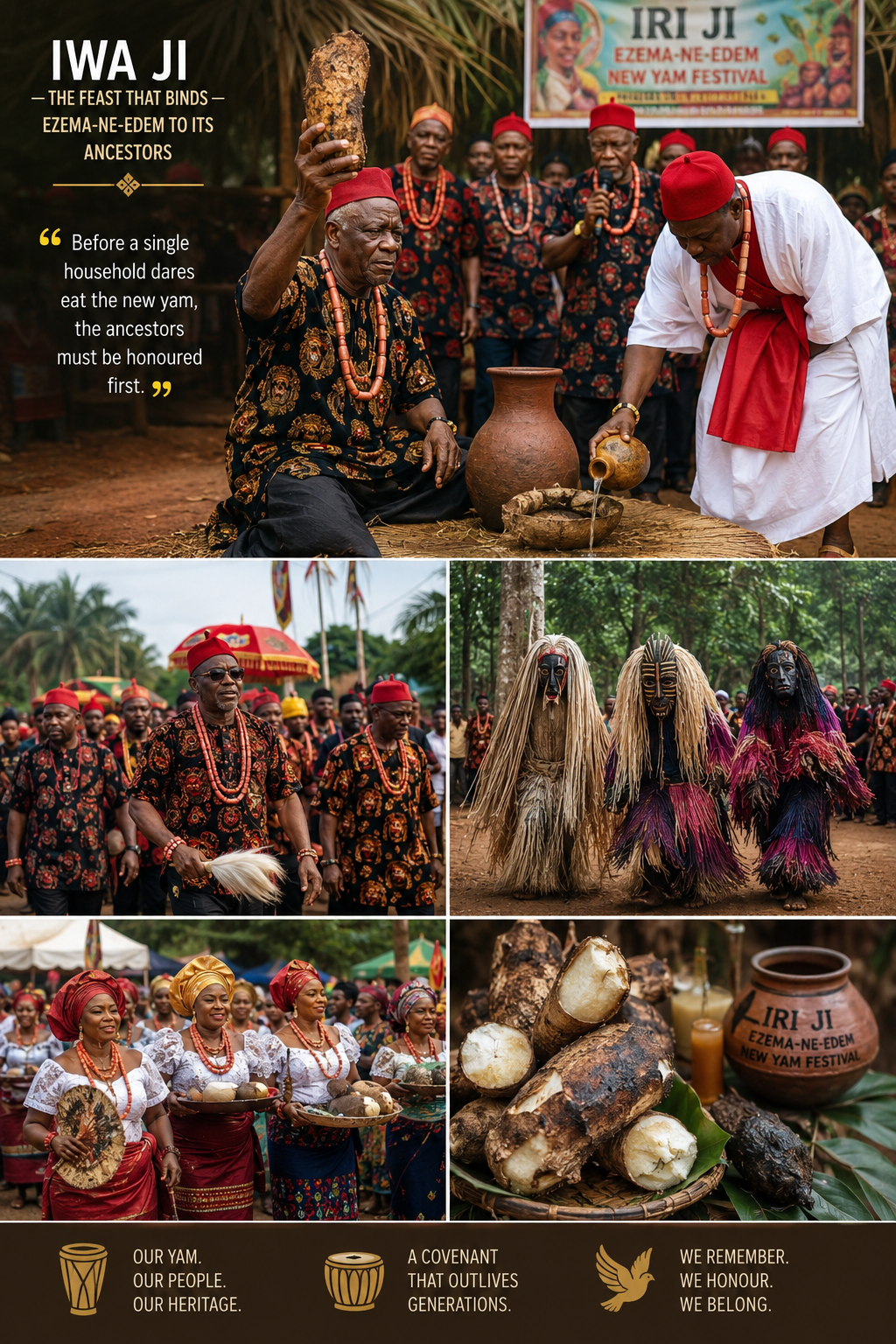 0 Comments 1 Shares 1K Views 0 Reviews
-
🔥⚒️🏺✨🔨
AMORAH VILLAGE: WHERE IRON MEETS ANCESTORY
"In Amorah, every hammer strike is a conversation with the fathers who came before."
Centuries before the internet. Before colonialism. Before Nigeria had a name.
The blacksmiths of Amorah village were already at their anvils.
In Ezema-ne-Edem's Amorah village, blacksmithing is not a job. It is a lineage. A sacred contract between a man and his father's fire — passed from hand to hand, hammer to hammer, generation to generation, without interruption.
The products of Amorah's forges have armed farmers with hoes, equipped hunters with blades, and built the physical infrastructure of everyday life across Nru Nsukka for as far back as memory reaches.
Today, this living heritage is both a cultural treasure and an untapped economic engine. The blacksmiths of Amorah deserve formal recognition, market access, tourism packaging, and the world's attention.
This is not just a craft. It is identity forged in fire. ⚒️🔥
#EzemaNeEdem #AmorahVillage #Blacksmithing #IgboCraft #CraftHeritage #NsukkaArtisans #AfricanMetalwork #CulturalEconomy #EnuguState #MadeInNigeria #HeritageEnterprise #AutonomousCommunities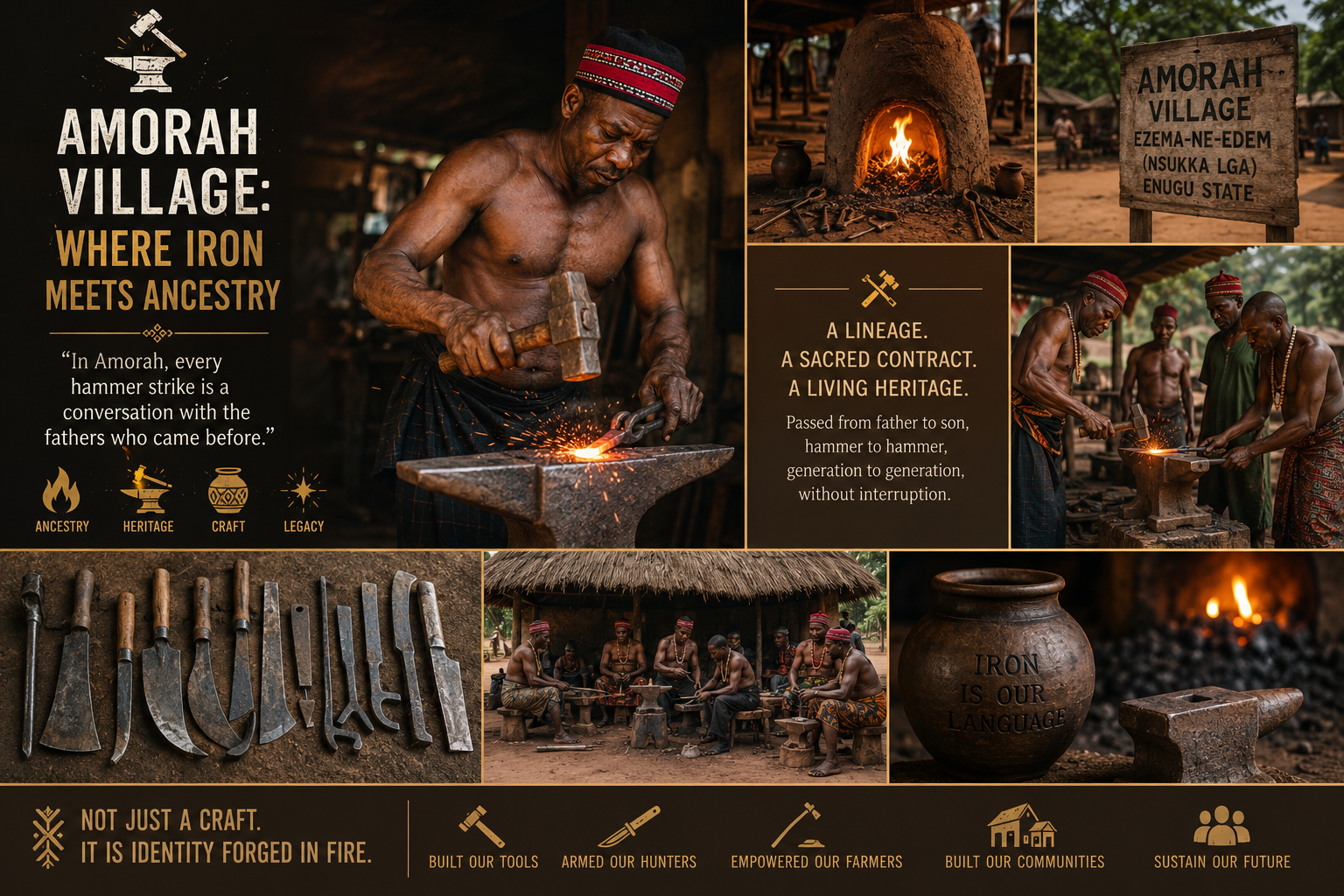 0 Comments 1 Shares 1K Views 0 Reviews
-
🫚🍠💛🥘🛒
OTOBOGIDI: THE MARKET PLACE AT THE HEART OF EVERYTHING
"Every price negotiated. Every yam sold. Every friendship sealed — right here."
If you want to understand Ezema-ne-Edem, stand at Otobogidi for one morning.
Watch the yam sellers arrange their tubers with the quiet pride of people displaying something sacred. Watch the palm oil merchants pour that deep red liquid — golden in its own way — into bottles that will travel to kitchens across Nsukka. Watch the traders call to each other in the Nsukka Igbo dialect: fast, warm, full of laughter.
Otobogidi is not just a market. It is the daily pulse of community life. It is where news travels, where the Esusu savings circle members meet to count their contributions, where the women of Ezema-ne-Edem exercise their formidable economic intelligence every single day.
From here, the road stretches to Afor Eha Market five kilometres away, and onward to Ogige Main Market in Nsukka town — one of the most vibrant commercial centres in Enugu State.
The market women of Ezema-ne-Edem are not informal sector workers. They are the economy, and Otobogidi is their office. 💛
#EzemaNeEdem #Otobogidi #NsukkaMarket #IgboMarket #MarketWomen #OgigeMarket #RuralEconomy #Umuada #IgboWomen #NruNsukka #EnuguState #SupportLocalFarmers #AutonomousCommunities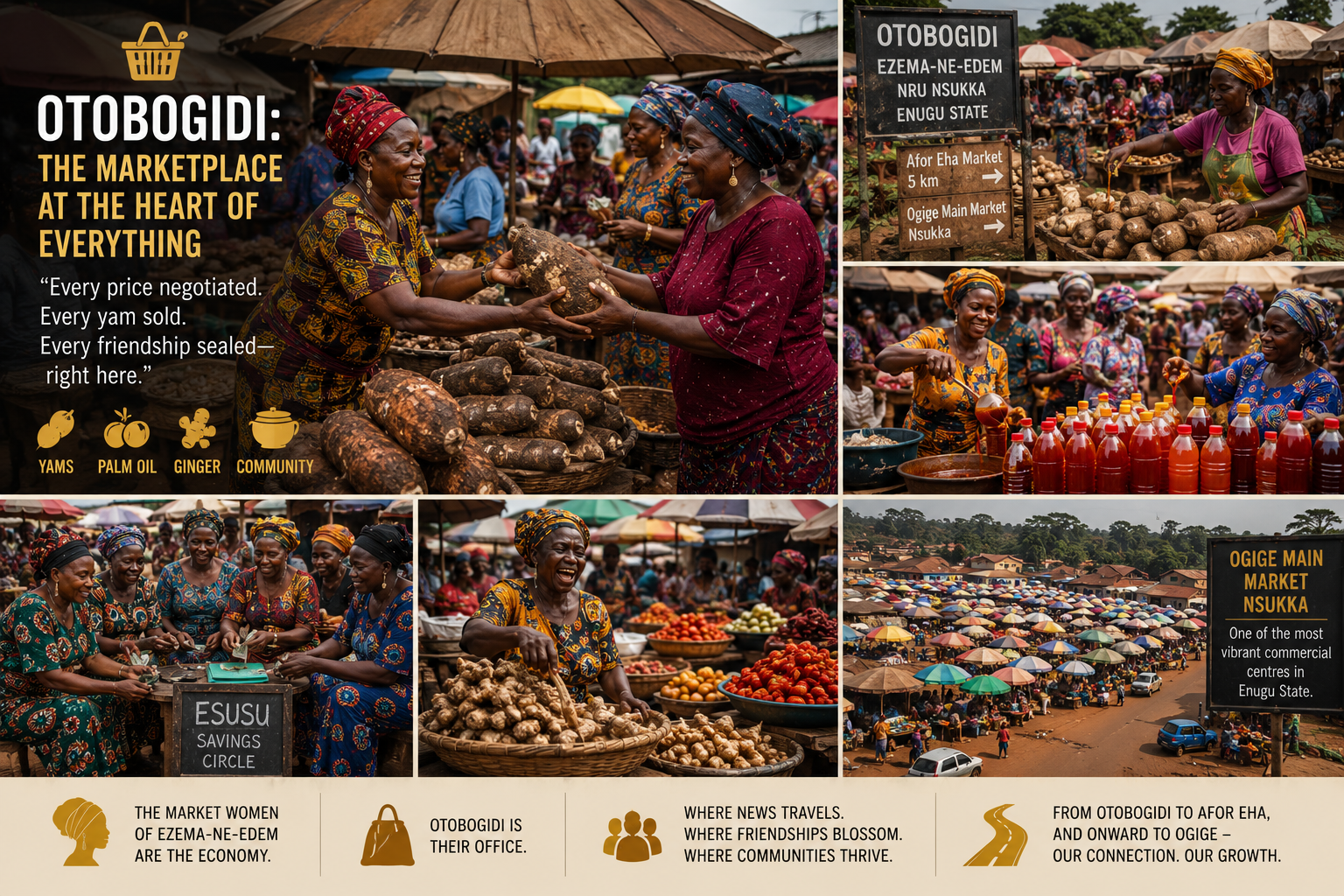 0 Comments 1 Shares 1K Views 0 Reviews
-
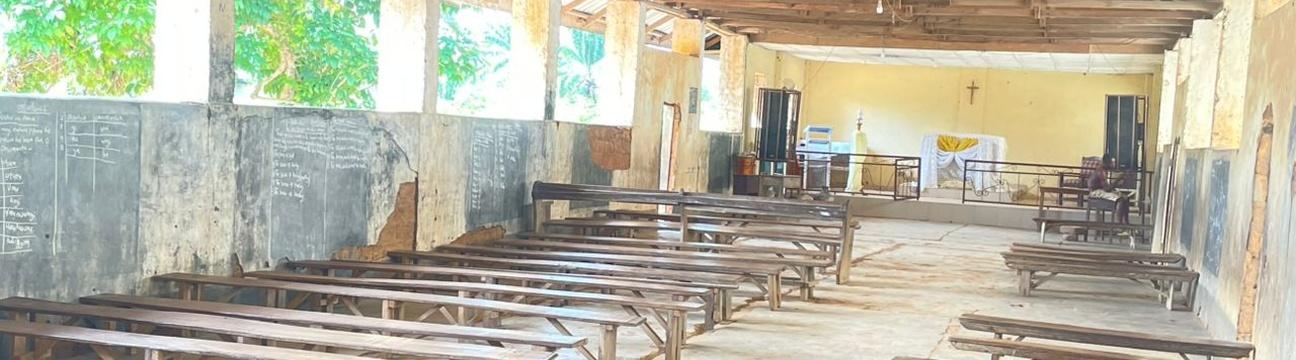
🕊️🙏✝️💙⛪
WHERE EZEMA-NE-EDEM KNEELS TOGETHER
"Saint Theophilus. Saint Peter's. The Baptist. The Deeper Life. One community, many altars."
Half a kilometre from Otobogidi mini-market, the spire of Saint Theophilus Catholic Church rises into the Nsukka sky.
It has been a landmark of Ezema for as long as most residents can remember. Inside on Sunday mornings, the voices of the community — young and old, farmer and civil servant, Ezema-Ne-Edem — blend in worship that sounds like the community itself singing.
Down the road, Saint Peter's Anglican Church has its own congregation. The Baptist Church. The Deeper Christian Life Ministry. Each a gathering point, each a community within the community.
Faith in Ezema-ne-Edem is not just what happens on Sunday. It is how widows are fed. How orphans are clothed. How a sick neighbour learns she is not alone. The churches of this community are not just places of worship — they are the social infrastructure of daily life.
And alongside this, the Attamah — the chief priest of Idenyi Nkwo — continues the older covenant, connecting the community to spiritual roots that run even deeper than any building can.
In Ezema-ne-Edem, peace is not just a motto. It is the lived agreement between every altar in this land. 🕊️
#EzemaNeEdem #SaintTheophilus #NsukkaDiocese #CatholicNigeria #FaithCommunity #IgboChristians #ChurchNigeria #Odinani #NruNsukka #EnuguState #PeaceAndLove #CommunityFaith #AutonomousCommunities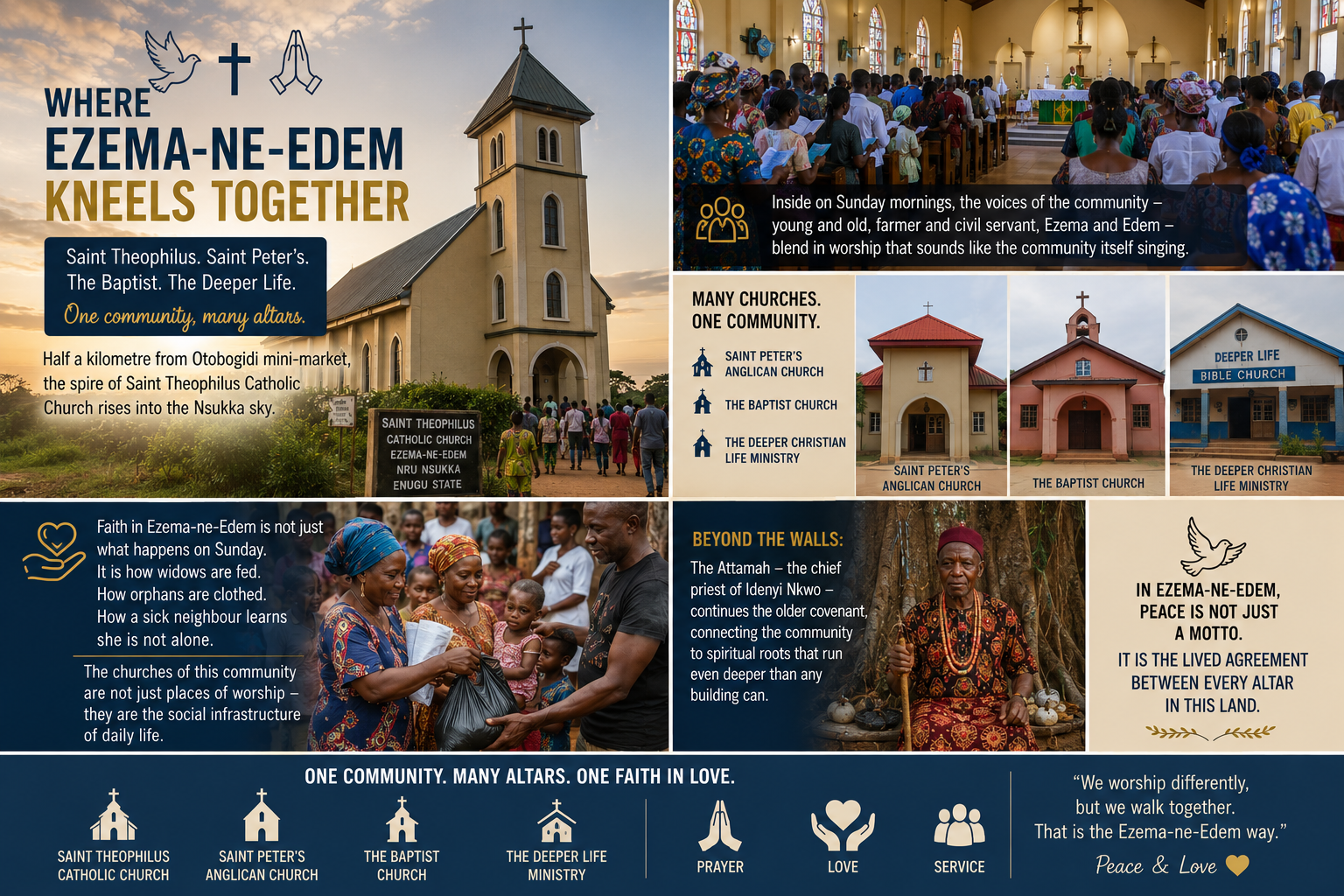 0 Comments 1 Shares 1K Views 0 Reviews
-
🎓🏔️🤝✨🌍
EZEME-NE-EDEM: THE STRONGEST YEARS ARE STILL AHEAD
"Two communities chose to stand together. One name. One future. Endless possibility."
2018, when six communities in Nsukka LGA went through the autonomous community process, four of them returned results marred by dispute. Ezema-ne-Edem was not one of them. The Igweship election that installed HRH Igwe Atugwu Linus Okonkwo — Chimereze I — was completed without controversy. Without protest. Without conflict. Because this is who the people of Ezema-ne-Edem are. A community named "Ezema and Edem, together" — a name that is itself a philosophy. Two distinct villages, one shared hill. Two ancestral lines, one voice when it matters. Ugwu Ezema-ne-Edem: one hill for Edem, one hill for Ezema, side by side, as they have always been. And today, the University of Nigeria Nsukka sits nearby — Nigeria's first indigenous university — casting a long light over the community. Young people from Ezema-ne-Edem study there, serve there, dream there. The community's digital presence on AutonomousCommunities.com now places it on a global map. The blacksmiths of Amorah can reach customers worldwide. The diaspora in London, Houston, Toronto can fund community projects in real time. The world can finally see what Ezema-ne-Edem has always been. Peaceful. Proud. Ready. 💚🌍
🏛️HRH IGWE ATUGWU LINUS OKONKWO · CHIMEREZE I
Pioneer Traditional Ruler · Ezema-ne-Edem Autonomous Community
#EzemaNeEdem #ChiamerezeI #NsukkaDignity #AutonomousCommunities #IgboDiaspora #UNN #NruNsukka #DigitalCommunity #EnuguState #UgwuEzema #PeaceAndLove #CommunityStrong #SDG17**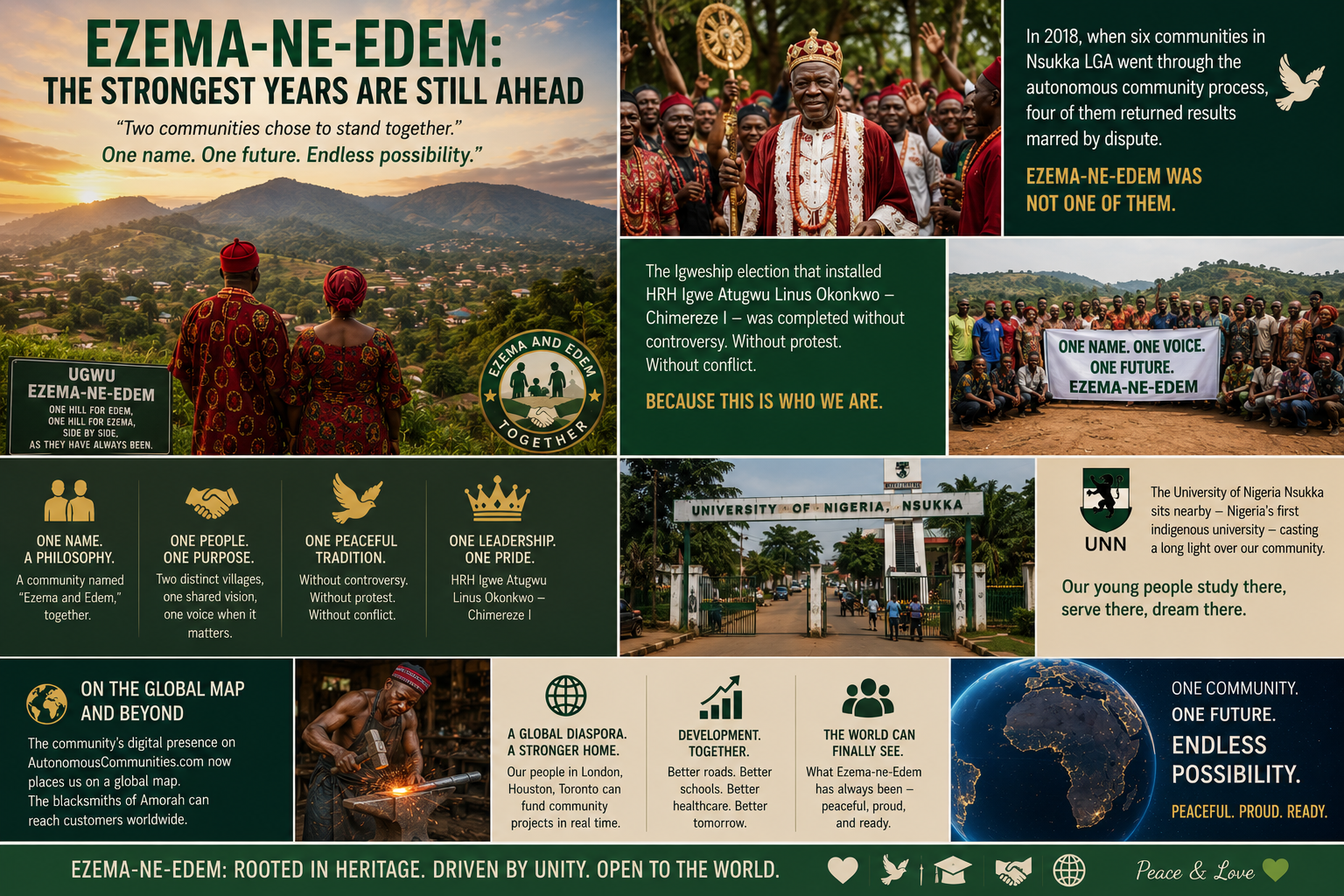 0 Comments 1 Shares 1K Views 0 Reviews
-
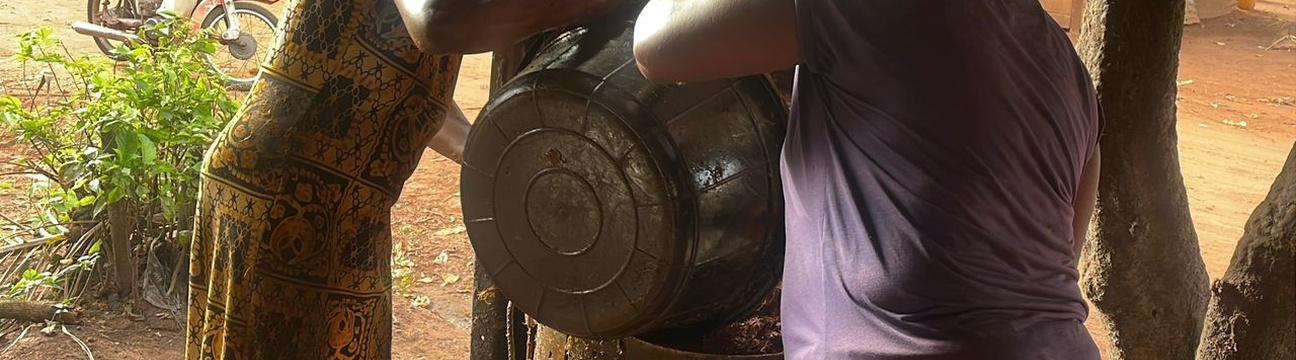
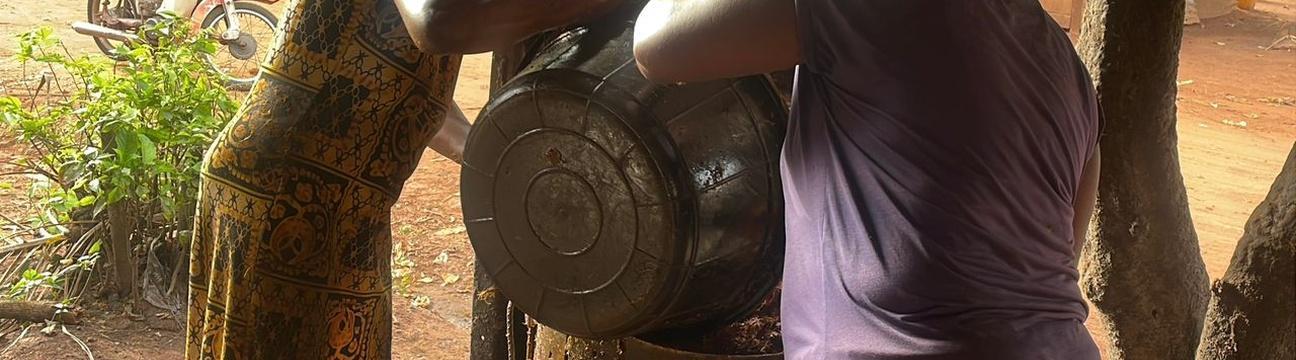
This is the oil mill found right here in Ezema-ne-Edem Autonomous Community, a testament to the hardworking spirit and resourcefulness of the people. Palm oil production is a backbone of local economy, providing livelihoods for families. #EzemaneEdem #AutonomousCommunities #CommunityDevelopment #PalmOil #LocalEconomy #NigeriaRural #OilMill #CivicInfrastructureThis is the oil mill found right here in Ezema-ne-Edem Autonomous Community, a testament to the hardworking spirit and resourcefulness of the people. Palm oil production is a backbone of local economy, providing livelihoods for families. #EzemaneEdem #AutonomousCommunities #CommunityDevelopment #PalmOil #LocalEconomy #NigeriaRural #OilMill #CivicInfrastructure0 Comments 0 Shares 1K Views 13 0 Reviews
More Stories
