



-
36 Publicações
-
2 fotos
-
0 Vídeos
-
Mora em Port Harcourt
-
De Anambra
-
Estudou BSC em RSUSTClass of 2017
-
Female
-
Casado
-
02/10/2000
-
Seguido por 5 pessoas





© 2026 Autonomous Communities
 Portuguese (Brazil)
 English
 Arabic
 French
 Spanish
 Portuguese
 Deutsch
 Turkish
 Dutch
 Italiano
 Russian
 Romaian
 Greek
Atualizações recentes
-
 0 Comentários 0 Compartilhamentos 1KB Visualizações 0 AnteriorFaça o login para curtir, compartilhar e comentar!
-
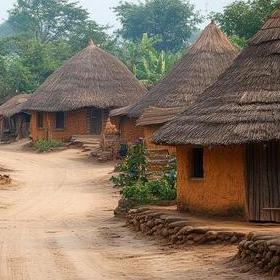
╔══════════════════════════════════════════════════════════════════════════════╗ ║ ║ ║ 🌿 L E J J A A U T O N O M O U S C O M M U N I T Y 🌿 ║ ║ ║ ║ OFFICIAL COMMUNITY PROFILE ║ ║ ║ ║ 📍 Nsukka Local Government Area | Enugu State | Southeast Nigeria ║ ║ 🗺️ Nsukka Cultural Zone | Igbo Nation ║ ║ 🌐 Platform: AutonomousCommunities.com ║ ║ 📅 Profile Edition: 2025–2026 ║ ║ ║ ╚══════════════════════════════════════════════════════════════════════════════╝ ━━━━━━━━━━━━━━━━━━━━━━━━━━━━━━━━━━━━━━━━━━━━━━━━━━━━━━━━━━━━━━━━━━━━━━━━━━━━ Prepared for: Residents | Diaspora | Visitors | Investors | NGOs | Government Agencies | Researchers | Development Partners ━━━━━━━━━━━━━━━━━━━━━━━━━━━━━━━━━━━━━━━━━━━━━━━━━━━━━━━━━━━━━━━━━━━━━━━━━━━━ ════════════════════════════════════════════════════════════════════════════════ 1. 🌟 OPENING SUMMARY ════════════════════════════════════════════════════════════════════════════════ Lejja Autonomous Community is an ancient, proud, and enduring Igbo settlement in Nsukka LGA, Enugu State — a community whose identity is inseparably bound to its archaeological heritage as one of West Africa's earliest recorded iron- working civilisations, the warmth and solidarity of its deeply rooted people, the rhythm of its festivals and ancestral traditions, and an unshakeable collective will to forge a prosperous, dignified, and connected future for every daughter and son of this sacred land[cite: 5]. ════════════════════════════════════════════════════════════════════════════════ 2. 📜 HISTORY & ORIGIN ════════════════════════════════════════════════════════════════════════════════ 🔸 Ancient Roots & Archaeological Significance ───────────────────────────────────────────────── Lejja occupies a remarkable place in the recorded history of human civilisation in sub-Saharan Africa[cite: 6]. Located in the Nsukka cultural zone of Enugu State, a region that has been inhabited for thousands of years by the Igbo people, Lejja is linked to one of the most significant archaeological finds in West African history[cite: 7]. Archaeological investigations conducted in the Lejja area — including research carried out by scholars affiliated with the University of Nigeria, Nsukka (UNN) — have uncovered compelling physical evidence of iron-smelting furnaces and slag deposits within or near the community's territory[cite: 8]. These finds suggest iron-working activity potentially dating back more than two millennia, positioning Lejja among a distinguished cluster of Nsukka-zone communities that formed part of one of West Africa's earliest metallurgical traditions[cite: 9]. This heritage speaks powerfully of the ingenuity, technological sophistication, and cultural depth of Lejja's ancestors long before European contact[cite: 10]. It is not merely history — it is living identity, embedded in the consciousness of the community's elders, its oral traditions, and the soil beneath its feet[cite: 11]. Academic and community sources — including the Nsukka LGA Traditional Rulers Council, UNN's Department of Archaeology, and community elders — are the authoritative verifiers of this heritage[cite: 12]. 🔸 Founding & Ancestral Identity ───────────────────────────────── Like the great majority of Igbo communities in the Nsukka cultural zone, Lejja traces its origins to founding ancestors whose names, deeds, covenants, and spiritual authority are preserved in oral tradition, ancestral shrines, family lineage recitations, and the cultural memory of the community's eldest members[cite: 13]. The community's patrilineal kinship system organises residents into clans (Ebo/Obodo), kindreds (Umunna), and household units (Ezi na Ụlọ), each bearing the name and spiritual identity of a common ancestor[cite: 14]. These structures are not merely administrative — they define belonging, land rights, social responsibilities, and cultural obligations[cite: 15]. Oral traditions speak of early settlements, territorial negotiations, alliances with neighbouring communities, and the gradual consolidation of kinship groups into what is today known as Lejja Autonomous Community[cite: 16]. 🔸 The Meaning of the Name "Lejja" ──────────────────────────────────── In keeping with the Igbo practice of naming places after founding ancestors, significant events, or distinctive natural or spiritual characteristics, the name "Lejja" is understood by community elders to carry ancestral or geographical significance[cite: 17]. The precise etymological history of the name is a matter best narrated by community elders themselves, who are its most authoritative custodians[cite: 18]. Available public documentation on the etymology is limited[cite: 19]. 🔸 Migration & Clan History ──────────────────────────── The Nsukka cultural zone was shaped across centuries by waves of migration, inter-community alliances, land settlements, and territorial covenants[cite: 19]. Families within Lejja trace lineages across neighbouring communities in Nsukka LGA, reflecting the fluid but deeply structured social geography of the Igbo-Nsukka people[cite: 20]. Like many communities in this zone, Lejja has kinship and cultural ties to surrounding communities — ties that are reflected in shared festivals, inter- marriage patterns, and the oral histories preserved by elders and titled community members[cite: 21]. 🔸 The Journey to Autonomous Status ────────────────────────────────────── The formal recognition of Lejja as an Autonomous Community is a landmark in the community's governance history[cite: 22]. In Enugu State, autonomous community status is achieved through a formal process involving community petitions, traditional consultations, official review by the state government, and formal gazetting under the relevant Enugu State Local Government and Chieftaincy Law[cite: 23]. This recognition affirms Lejja's distinct communal identity, its right to self-governance within the framework of Nigerian law, its own traditional ruler (Eze/Igwe), and its standing as a separate entity within Nsukka LGA[cite: 24]. The specific year in which Lejja achieved autonomous status is best confirmed through the Enugu State Ministry of Local Government and Chieftaincy Affairs or the Nsukka LGA Secretariat[cite: 25]. Available public records on this specific date are limited[cite: 26]. ════════════════════════════════════════════════════════════════════════════════ 3. 🤝 COMMUNITY IDENTITY & LIFESTYLE ════════════════════════════════════════════════════════════════════════════════ 🔸 Who Are the People of Lejja? ───────────────────────────────── The people of Lejja are Igbo — warm, industrious, community-minded, and deeply proud of a heritage that stretches back further than most communities dare to claim[cite: 27]. They embody the quintessential Nsukka Igbo character: grounded in the land, generous in spirit, fierce in the defence of communal honour, and pragmatic in the pursuit of progress[cite: 28]. To know Lejja is to understand what it means to live fully within an African community — where the individual exists in relation to the family, the family within the kindred, the kindred within the village, and the village within the wider community[cite: 29]. No Lejja son or daughter is ever truly alone; the community is always present — in joy, in grief, in celebration, and in the quiet solidarity of daily life[cite: 30]. 🔸 Core Values & Social Philosophy ───────────────────────────────────── • 🌾 Ọrụ na Ụlọ (Industry & Home): Hard work is a point of honour[cite: 31]. The farm, the market, and the workshop are arenas of dignity. Idleness is socially frowned upon[cite: 32]; enterprise — whether through farming, trade, craft, or profession — is celebrated[cite: 33]. • 👨👩👧👦 Ezi na Ụlọ (Family & Household Unity): The extended family is the bedrock of social life[cite: 34]. Decisions of consequence — from marriage to land, from education to business — are made in consultation with the family head and senior kindred members[cite: 35]. The elderly are deeply respected; their counsel carries moral authority[cite: 36]. • 🤲 Ihu Mmadụ (The Welcome of the Other): Hospitality in Lejja is not merely courtesy — it is social obligation[cite: 37]. A visitor to a Lejja home will not depart without kola nut, food, drink, and the warmth of a people who understand that a guest is a blessing[cite: 38]. • 🏛️ Oha na Eze (Community & Leadership): Communal service — through town union work, cultural participation, physical labour during community projects, and financial contributions to development — is both an expectation and a profound source of social prestige[cite: 39]. • 🕊️ Udo na Ọchịchọ (Peace & Self-Governance): The community values internal harmony, dispute resolution through elders and traditional institutions, and the preservation of communal peace above individual grievance[cite: 40]. 🔸 Everyday Life ───────────────── Daily life in Lejja is anchored to the rhythms of the land and the social calendar of the community[cite: 41]. Mornings begin early — farmers heading to their plots of yam, cassava, cocoyam, and vegetables before the heat of the day[cite: 42]. Market days bring commerce and energy to designated community spaces[cite: 43]. Evenings are communal: conversations under trees, visits between kindred members, children at play in the compounds[cite: 44]. Weekends bring church attendance, family visits, age-grade meetings, and town union gatherings[cite: 45]. The festive seasons — especially the New Yam Festival and the Christmas/New Year homecoming — are occasions of extraordinary celebration, cultural reaffirmation, and the joyful return of sons and daughters from across Nigeria and the world[cite: 46]. 🔸 Language ──────────── The people of Lejja speak Igbo — specifically, the Nsukka dialect of the Igbo language, a rich, tonal variety with its own distinctive phonology, idiomatic expressions, and proverbs that differ in important ways from the standardised Central Igbo[cite: 47]. The dialect is a point of cultural pride and the primary medium of everyday communication, ancestral knowledge transmission, and cultural performance[cite: 48]. ════════════════════════════════════════════════════════════════════════════════ 4. 🏛️ GOVERNANCE & LEADERSHIP ════════════════════════════════════════════════════════════════════════════════ 🔸 Traditional Rulership (Eze/Igwe) ────────────────────────────────────── Lejja Autonomous Community is led by a traditional ruler — carrying the title of Igwe or Eze — who serves as the paramount custodian of the community's culture, traditions, and institutional identity[cite: 49]. The traditional ruler presides over community governance with the support of a Council of Elders (Ndị Eze Ochie or Ofe Oha), who collectively advise on matters of community law, dispute resolution, cultural observances, land matters, and development decisions[cite: 50]. The office of the traditional ruler is formally recognised by the Enugu State Government and gazetted under the relevant chieftaincy law[cite: 51]. The incumbent serves as a critical bridge between the community and formal government institutions, including the Nsukka LGA Chairmanship, the Enugu State House of Assembly, and federal representatives[cite: 52]. NOTE: Specific names of the current traditional ruler and council members are known to residents[cite: 53]; available public documentation at the time of this profile does not independently confirm current leadership details[cite: 54]. The Nsukka LGA Traditional Rulers Council is the authoritative source for current records[cite: 55]. 🔸 Town Union / Development Union (Ụlọ Ọha) ────────────────────────────────────────────── The Lejja Town Union (or Community Development Union) is the principal civic vehicle for community development, public mobilisation, and organised collective self-help[cite: 56]. It operates through an elected executive that typically includes[cite: 57]: 🎖️ President-General / Chairman 📋 Secretary-General 💰 Financial Secretary / Treasurer 📣 Publicity Secretary 🤝 Welfare & Social Officer ⚖️ Legal Adviser (where applicable) The Town Union organises community levies, coordinates infrastructure projects, convenes community meetings, manages communal labour (Ịgba Mbọ), and interfaces with government agencies, NGOs, and development partners on behalf of Lejja[cite: 57]. 🔸 Council of Elders (Ndị Isi Ọha) ──────────────────────────────────── The Council of Elders is the moral and advisory authority of the community[cite: 58]. Their decisions carry deep weight in land disputes, inter-family conflicts, cultural matters, and questions of community law[cite: 59]. Many elders have served in professional, educational, judicial, or public service capacities before returning to anchor community leadership[cite: 60]. 🔸 Age Grades (Ọtụ) ───────────────────── Age grades are a cornerstone of governance and social organisation in Nsukka Igbo communities[cite: 61]. In Lejja, young men and women are initiated into age grades at recognised life-stage intervals[cite: 62]. Age grades collectively take on specific community responsibilities: from road clearing and maintenance, to security patrols, to festival organisation, to infrastructure projects[cite: 63]. Age grades are also a powerful social and professional network — a brotherhood and sisterhood that lasts a lifetime[cite: 64]. Each grade is often given a ceremonial name at initiation, carrying with it a set of collective duties and social identity[cite: 65]. 🔸 Women's Leadership (Ụmụnwanyị) ─────────────────────────────────── The women's group — organised under the Ụmụnwanyị structure — is an active and influential body in Lejja's governance and social life[cite: 66]. Women leaders play roles in community welfare, market regulation, domestic peace-keeping, children's education, cultural transmission, and increasingly, advocacy for women's economic and development interests[cite: 67]. Women leaders regularly interface with the town union and traditional institution on matters affecting families, children, and the community at large[cite: 68]. 🔸 Youth Association ───────────────────── The Lejja Youth Association provides young people with a formal platform to contribute to community development, advocate for youth interests, and take on project coordination and implementation roles[cite: 69]. Youth leaders serve as vital bridges between traditional governance and the digital, modern world[cite: 70]. 🔸 Village Heads (Isi Ọba / Onye Isi Obodo) ────────────────────────────────────────────── Each village within Lejja is administered by a Village Head who represents village-level interests at the community level, mediates local disputes, and ensures governance structures reach the grassroots[cite: 71]. Village heads are typically respected elders nominated by their villages and recognised by the traditional ruler[cite: 72]. 🔸 Diaspora Leadership & Structures ────────────────────────────────────── Lejja's diaspora community — spread across Lagos, Abuja, Port Harcourt, Onitsha, Enugu, and internationally in the United Kingdom, United States, and Europe — is organised through hometown union branches that meet regularly, contribute to development projects, manage scholarship funds, and participate in community governance from afar[cite: 73]. Diaspora leaders are increasingly integrated into community planning through digital communication channels, virtual town hall meetings, and coordinated homecoming mobilisation during festive seasons[cite: 74]. ════════════════════════════════════════════════════════════════════════════════ 5. 🏘️ VILLAGES & INTERNAL STRUCTURE ════════════════════════════════════════════════════════════════════════════════ Like all autonomous communities in the Nsukka cultural zone, Lejja is composed of distinct villages, kindreds (Umunna), family lineages, and household compounds, each carrying its own ancestral identity, cultural obligations, and internal governance arrangements[cite: 75]. Available local records on the specific names, number, and detailed composition of all villages within Lejja Autonomous Community are limited in publicly accessible documentation at the time of this profile[cite: 76]. Residents, the Town Union Secretariat, the traditional institution, and the Nsukka LGA office are the authoritative sources for a complete internal structure profile[cite: 77]. The general structural framework of Lejja — consistent with Nsukka Igbo community organisation — is as follows[cite: 78]: ┌──────────────────────────────────────────────────────────────────────────┐ │ COMMUNITY (Obodo/Lejja) │ │ └── Made up of several distinct VILLAGES (Ọba) │ │ └── Each Village composed of KINDREDS (Umunna) │ │ └── Each Kindred composed of EXTENDED FAMILY COMPOUNDS │ │ └── (Ezi na Ụlọ) — the household unit, anchored to │ │ land, lineage, and ancestral memory │ └──────────────────────────────────────────────────────────────────────────┘ Each village has its own village head, its own internal meeting cycles, its own cultural obligations within the wider community, and often its own ancestral shrine (Ọjị Obi)[cite: 79]. The traditional ruler (Eze/Igwe) coordinates all villages under a unified community governance framework[cite: 80]. 📌 Community leaders, researchers, development partners, and platform administrators on AutonomousCommunities.com are encouraged to engage directly with the Lejja Town Union and traditional institution for a complete, verified, village-by-village structural profile[cite: 81]. ════════════════════════════════════════════════════════════════════════════════ 6. 🎭 CULTURE, FESTIVALS & HERITAGE ════════════════════════════════════════════════════════════════════════════════ 🔸 The Living Heart of Lejja's Culture ───────────────────────────────────────── Lejja's cultural life is not a museum exhibit — it is alive, practised, and renewed in every generation[cite: 82]. Culture here is inseparable from the agricultural calendar, the ancestral world, and the Igbo cosmic order[cite: 83]. Every festival, every masquerade appearance, every rite of marriage, birth, or burial is a reaffirmation of the community's covenant with those who came before and a promise to those who will come after[cite: 84]. 🔸 🌾 Iwa Ji — The New Yam Festival ────────────────────────────────────── The New Yam Festival (Iwa Ji or Iri Ji) stands as the centrepiece of Lejja's cultural calendar — a festival of gratitude, abundance, ancestral remembrance, and communal joy[cite: 85]. Celebrated at the end of the yam harvest season (typically between August and October, depending on the community's traditional calendar), it marks the moment when the community gives thanks to Ala (the earth goddess), to the ancestors, and to Chukwu (the Supreme Being) for the bounty of the earth[cite: 86]. The Eze/Igwe performs the first ceremonial breaking of the new yam in a ritual attended by elders, kindred heads, invited guests, and the whole community[cite: 87]. Masquerades perform through the pathways and gathering spaces; women's dance groups fill the air with song[cite: 88]; and families share meals of freshly harvested yam — pounded, roasted, or cooked in palm-oil soup with assorted meats, vegetables, and the pride of the season[cite: 89]. For diaspora members, the New Yam Festival is the symbolic heart of Lejja — the festival that, wherever they are in the world, pulls them back to their roots in spirit and, when possible, in person[cite: 90]. 🔸 🎭 Masquerades (Mmanwụ) ──────────────────────────── The Mmanwụ tradition holds a sacred, irreplaceable place in Lejja's spiritual and cultural life[cite: 91]. Masquerades represent the ancestral spirits returning from the world of the dead to the world of the living — not as metaphor, but as living spiritual reality for those who hold the tradition[cite: 92]. Different masquerade types appear for different occasions and purposes[cite: 93]: • Stately, dignified masquerades presiding at community festivals and the funerals of titled men • Energetic, theatrical masquerades entertaining at celebrations and age-grade initiations • Masquerades carrying judicial and enforcement authority on behalf of the traditional institution The identity of masquerade performers, the internal rules governing their appearance, and the spiritual protocols associated with their presence are held in strict communal secrecy[cite: 93]. Women, uninitiated youth, and visitors maintain specific cultural protocols during masquerade appearances[cite: 94]. 🔸 💍 Marriage Customs (Igba Nkwu Nwanyi) ──────────────────────────────────────────── Marriage in Lejja is a community event, not merely a personal or nuclear family matter[cite: 95]. The traditional marriage process unfolds across multiple stages[cite: 96]: Stage 1: 🏠 First family visit and informal introductions (Ịbịa Ụlọ) Stage 2: 💬 Formal introduction of intentions (Ịgọ Mmanya) Stage 3: 💰 Bride price negotiations between families (Ikwa Ego) Stage 4: 🎉 The Wine Carrying Ceremony (Igba Nkwu Nwanyi) — the public celebration where the bride carries palm wine through the gathered community and offers it to her chosen husband, sealing the union before witnesses from both families and the community at large. Modern Lejja weddings frequently combine this tradition with church ceremonies and, in some cases, court registry[cite: 97]. The traditional ceremony, however, remains the culturally defining moment of the union[cite: 98]. 🔸 ⚰️ Burial & Funeral Rites ──────────────────────────────── Death in Lejja is received with the gravity and ceremonial depth it demands[cite: 99]. An elder who has lived well — who raised a family, served the community, and reached old age with honour — is given a "second burial" celebration (Ọtọ Ozu or Ikwa Ọkpụkpụ Ozu) of considerable scale[cite: 100]. These ceremonies typically involve multiple days of cultural events, masquerade appearances, music, community feasting, eulogies from elders and titled men, and the gathering of family members from across Nigeria and the diaspora[cite: 101]. They are expressions of communal solidarity, ancestral continuity, and the community's commitment to honour those who served well[cite: 102]. Christian funeral Standard rites are typically incorporated for Christian families, seamlessly woven into the broader cultural ceremony[cite: 103]. 🔸 🥁 Music, Dance & Cultural Performance ──────────────────────────────────────────── Lejja's musical heritage draws on the classical Igbo-Nsukka ensemble tradition[cite: 104]: 🎵 Ogene (metal gong ensemble) — the anchor of communal percussion 🪈 Ọja (end-blown flute) — carrying the melodic voice of the forest 🪘 Ichaka (rattle) — maintaining rhythmic foundation 🏺 Udu (clay pot drum) — the resonant voice of the earth Women's dance groups — often associated with the Ụmụnwanyị or specific age grades — perform at community events with elaborate choreography, traditional costumes, and a physical expressiveness that carries cultural meaning in every movement[cite: 104]. Younger generations increasingly blend traditional rhythms with contemporary music forms, creating new cultural expressions that honour the old while speaking to the present[cite: 105]. 🔸 🍲 Food & Culinary Heritage ──────────────────────────────── The cuisine of Lejja is rooted in the agricultural bounty of the Nsukka zone and reflects generations of knowledge about food, nutrition, and the social meaning of shared meals[cite: 106]: 🌿 Ofe Onugbu (Bitter Leaf Soup) with Pounded Yam — the quintessential Nsukka dish; its preparation is a skill passed from grandmother to daughter [cite: 106] 🥘 Ofe Akwụ (Palm Nut Soup) with Cassava Fufu or Pounded Yam 🌽 Ji Mmiri Ọjị (Yam and Garden Egg Sauce) — simple, elemental, profound 🍃 Ofe Ede (Cocoyam Soup) — a festival and everyday staple 🥬 Ofe Ọha (Oha Leaf Soup) — made with the distinctive flavour of oha leaves 🌰 Utazi and Ukpaka — traditional vegetables with deep nutritional and cultural significance in ceremonial meals 🍺 Mmanya Ọcha / Ngwo (Palm Wine) — the social and ceremonial drink; present at every significant occasion from marriage to funeral to festival [cite: 107] Food in Lejja is not merely sustenance — it is language[cite: 108]. What you serve a guest, and how, communicates respect, status, and belonging[cite: 109]. 🔸 👘 Traditional Attire & Dress ────────────────────────────────── Men don the Isi Agu (lion-head patterned fabric) with a complementary wrapper and woven or embroidered cap for cultural and formal events[cite: 110]. Chiefs, titled men, and elders add coral beads, eagle feathers (Oji Isi), and ceremonial staff as markers of rank and honour[cite: 111]. Women wear the George wrapper or ankara fabric with matching blouse and gele (head tie) in rich colours appropriate to the occasion — vibrant for celebrations, more subdued for mourning[cite: 112]. Cultural attire is a strong and visible marker of identity, occasion, and community affiliation[cite: 113]. 🔸 🚫 Cultural Taboos (Ọmụma / Alu) ────────────────────────────────────── Like all Igbo communities, Lejja maintains a set of cultural taboos — actions, words, or behaviours considered abominations (Alu) that disrupt the community's spiritual and social order[cite: 114]. These include[cite: 115]: • Specific dietary restrictions for certain lineages (often connected to totemic ancestral covenants) • Behavioural and spatial codes around ancestral shrines, sacred trees, and Ọjị Obi (ancestral gathering spaces) • Protocols governing interaction with masquerades and the traditional institution • Prohibitions around certain social behaviours that the community considers violations of natural and ancestral law Taboos are communicated by elders, transmitted through oral instruction, and enforced through social sanction and traditional spiritual authority[cite: 115]. 🔸 📖 Oral History & Proverbs (Ilu na Ifo) ──────────────────────────────────────────── Lejja's oral tradition is a living archive — preserved in proverbs (Ilu), folktales (Ifo), genealogical recitations, ancestral histories (Ọdịnaala), and the ritual speeches of elders at community gatherings[cite: 116]. The proverb is the primary carrier of wisdom in Igbo culture, and Lejja's elders deploy them with precision, layered humour, and earned depth[cite: 117]. A single proverb can resolve a dispute, expose a contradiction, or articulate a community's position on a matter of importance with far more force than any formal speech[cite: 118]. ⚠️ Digital documentation of Lejja's oral traditions, proverbs, genealogies, and ancestral histories is an urgent cultural preservation priority — one that academics, community leaders, and diaspora can champion together[cite: 119]. 🔸 ⛏️ The Iron-Working Heritage — Lejja's Gift to World History ─────────────────────────────────────────────────────────────── Of all of Lejja's cultural assets, none is more globally significant than its connection to ancient iron-working[cite: 120]. The archaeological evidence of iron-smelting furnaces and slag deposits in the Lejja area links the community to some of the earliest recorded metallurgical activity in West Africa — a heritage that predates many of the world's most celebrated ancient technological traditions[cite: 121]. This is not merely an academic footnote. It is a story that tells the world — and Lejja's own children — that their ancestors were innovators, engineers, and craftspeople at a time when the world was still discovering what iron could do[cite: 122]. While active iron-smelting as a practice has not continued into the modern era, the spiritual and cultural echoes of this heritage — reflected in oral accounts, ancestral observances, place names, and the physical landscape — remain a potent marker of community identity and a significant untapped asset for cultural tourism, academic research, and national heritage recognition[cite: 123]. Recommended engagement: University of Nigeria Nsukka (Dept. of Archaeology & Tourism Studies), Nigeria Museum Commission, and international heritage organisations such as UNESCO[cite: 124]. ════════════════════════════════════════════════════════════════════════════════ 7. ✝️ RELIGION & FAITH INSTITUTIONS ════════════════════════════════════════════════════════════════════════════════ 🔸 Religious Overview ───────────────────── Lejja is predominantly Christian — reflecting the deep roots of Christianity in the Nsukka zone, where missionary activity (particularly Roman Catholic and Anglican) began in the early decades of the twentieth century and transformed the educational, social, and spiritual landscape of the region[cite: 125]. Faith in Lejja is not a private matter — it is communal, embodied, and woven into the rhythm of community life[cite: 126]. Church calendars intersect with the community's civic and cultural calendar[cite: 127]; faith leaders carry social authority alongside traditional institution leaders[cite: 127]; and faith-based networks are among the most active channels for welfare, solidarity, and development[cite: 128]. 🔸 ✝️ Roman Catholic Church ───────────────────────────── The Catholic Church holds a historically dominant position in Lejja and the wider Nsukka area[cite: 129]. Catholic parishes have served multiple generations of Lejja families and have historically played a foundational role in[cite: 130]: • Establishing and supporting primary and secondary schools • Providing maternal and child health services through mission clinics • Social welfare and poverty alleviation programmes • Youth formation through Catholic Youth Organisation (CYO) and related bodies The Diocese of Nsukka (under the Catholic Church of Nigeria) is the relevant diocesan structure for the area[cite: 130]. 🔸 ⛪ Anglican Church of Nigeria (Church of Nigeria) ────────────────────────────────────────────────────── The Anglican tradition is also well-established in Lejja, characterised by its blend of formal liturgy, educational engagement, and community development involvement[cite: 131]. Anglican parishes in the Nsukka zone fall under the Church of Nigeria (Anglican Communion), Diocese of Nsukka[cite: 132]. 🔸 🔥 Pentecostal & Charismatic Churches ────────────────────────────────────────── Pentecostal and charismatic denominations have grown rapidly across Lejja and the Nsukka zone, particularly among younger residents[cite: 133]. Denominations affiliated with the Pentecostal Fellowship of Nigeria (PFN), as well as independent charismatic ministries, offer contemporary worship, intensive youth programmes, prayer and healing ministries, and active social service networks[cite: 134]. 🔸 Other Protestant Denominations ─────────────────────────────────── Baptist, Methodist, and other Protestant traditions may also be represented within Lejja, reflecting the denominational diversity of Igbo Christianity[cite: 135]. 🔸 🪔 Traditional Religion (Ọdịnaala) ────────────────────────────────────── Traditional Igbo religion — centred on Chukwu (the Supreme Being, the Transcendent Creator), Ala (the earth goddess, moral guardian, and source of communal law), and a structured world of ancestral spirits (Ndi Mmụọ), nature deities, and protective forces — continues to be practised in various degrees alongside Christianity[cite: 136]. The New Yam Festival's opening rituals, masquerade traditions, ancestral shrine observances, and the moral authority of Ala in community life all reflect the enduring presence of Ọdịnaala in Lejja's cultural identity — not necessarily in opposition to Christianity, but in the complex, layered coexistence that characterises Southeast Nigerian spiritual life[cite: 137]. 🔸 🕌 Islam ───────────── Available records do not indicate a significant Muslim population indigenous to Lejja[cite: 138]. However, some residents, traders, or migrants in the community may practise Islam[cite: 139]. Available local records are limited on this point[cite: 139]. 🔸 Faith-Based Development ─────────────────────────── Faith institutions in Lejja — across denominations — serve as important channels for development[cite: 140]. Churches manage schools, health outreach, welfare funds, youth clubs, and women's welfare societies[cite: 141]. Faith-based organisations (both local and international) are highly effective development partners in communities like Lejja, particularly in education, water access, maternal health, and community resilience programmes[cite: 142]. ════════════════════════════════════════════════════════════════════════════════ 8. 🏪 ECONOMY & MARKETPLACE ════════════════════════════════════════════════════════════════════════════════ 🔸 Economic Overview ────────────────────── Lejja's economy is predominantly informal and agriculture-based, animated by the industry of its farmers, market women, artisans, teachers, civil servants, and an increasingly entrepreneurial youth cohort[cite: 143]. Diaspora remittances serve as a critical supplementary income for many households[cite: 144]. The community's economic potential is significant and largely unrealised — constrained by infrastructure gaps, market access limitations, post-harvest losses, and digital invisibility, but underpinned by fertile land, an experienced farming population, proximity to Nsukka's commercial infrastructure, and the loyalty of a well-connected diaspora[cite: 145]. 🔸 🌾 Agriculture — The Foundation of Lejja's Economy ──────────────────────────────────────────────────────── Farming remains the primary economic activity for a substantial portion of Lejja's adult population[cite: 146]. The fertile soils of the Nsukka zone support the cultivation of a diverse range of crops[cite: 147]: 🌿 Yam (Ji) — the king of all crops; a symbol of wealth and masculine pride; a staple food and commercially significant cash crop [cite: 147] 🌾 Cassava (Akpu) — widely grown for food and for processing into garri, cassava flour, and starch [cite: 148] 🌽 Maize (Ọka) — food crop and ingredient for local brew and animal feed [cite: 148] 🫘 Cowpea / Beans (Akidi) — high-protein staple and commercial crop [cite: 148] 🥬 Vegetables: Ọha, utazi, ugwu (fluted pumpkin), bitter leaf, garden egg, okra, and a wide variety of indigenous greens [cite: 148] 🌰 Palm Produce: Palm oil and palm kernel — used domestically and traded [cite: 148] 🍠 Cocoyam (Ede) — food staple and ingredient in traditional cooking [cite: 148] 🌿 Groundnuts (Ahụ Ọjị) — snack, cooking ingredient, and oil source [cite: 149] 🍍 Seasonal fruits and forest produce [cite: 149] Most farming is smallholder in scale, using traditional and semi-mechanised methods[cite: 149]. The potential for improved agricultural productivity through better inputs, storage facilities, cooperative organisation, and market linkages is substantial[cite: 150]. 🔸 🛒 Markets & Trading ──────────────────────── Local trading follows the traditional Igbo four-day market week cycle (Eke, Orie, Afọ, Nkwọ), with a designated market day drawing traders and buyers from Lejja and surrounding communities[cite: 151]. Women are the dominant and indispensable force in local trade — selling food produce, processed goods, cooked meals, and household items with skill and social intelligence built over generations[cite: 152]. Lejja traders also access Nsukka's main commercial market — one of the most significant trading hubs in Enugu State — which provides connectivity to regional and national supply chains[cite: 153]. 🔸 🔨 Artisanship & Small Industry ───────────────────────────────────── Artisanal activities in Lejja include[cite: 154]: 🪵 Carpentry and furniture-making 🧵 Tailoring, fashion design, and clothing production 🔧 Welding, fabrication, and auto repair 🧱 Block moulding and building construction 🫙 Food processing: garri production, palm oil pressing, ogiri processing, smoked fish 🏺 Pottery — a traditional craft with deep historical roots in the Nsukka zone 💇 Hair salons and beauty services 📱 Phone repair and electronic services 🔸 💼 Civil Service & Professional Employment ─────────────────────────────────────────────── Given Lejja's proximity to Nsukka — home to the University of Nigeria, Nsukka (UNN) and numerous federal and state government facilities — a significant number of community members are employed in education, healthcare, civil service, university administration, and the formal private sector[cite: 155]. The presence of UNN nearby has historically incentivised educational attainment in Lejja families, resulting in a relatively high proportion of graduates, professionals, academics, and civil servants among the community's population[cite: 156]. 🔸 🌍 Diaspora Remittances ──────────────────────────── Remittances from Lejja's diaspora — in Nigerian cities and internationally — constitute a significant economic input for many households[cite: 157]. These funds support school fees, medical expenses, home construction, business start-up costs, and community infrastructure contributions[cite: 158]. Formalising remittance channels, reducing transaction costs, and redirecting diaspora funds from pure consumption toward productive investment (agriculture, enterprise, real estate, community infrastructure) is one of the highest-impact economic opportunities available to Lejja[cite: 159]. 🔸 💡 Youth Enterprise & Digital Economy ────────────────────────────────────────── A growing cohort of young people in Lejja are engaged in digital and service- sector enterprises — including online trading (e-commerce), digital marketing, transportation (Keke NAPEP, motorcycle logistics), phone repair, graphic design, social media management, and ICT services[cite: 160]. With the right support — digital literacy training, access to micro-credit, mentorship, and market linkages — Lejja's youth enterprise sector holds transformational potential[cite: 161]. 🔸 🛍️ Products & Services for Listing on AutonomousCommunities.com ───────────────────────────────────────────────────────────────────── ╔════════════════════════════════╦════════════════════════════════════════════╗ ║ Category ║ Product / Service ║ ╠════════════════════════════════╬════════════════════════════════════════════╣ ║ 🌾 Agricultural Produce ║ Fresh yam, cassava, cocoyam, maize, ║ ║ ║ beans, vegetables, garden eggs ║ ╠════════════════════════════════╬════════════════════════════════════════════╣ ║ 🫙 Processed Foods ║ Garri, palm oil, ogiri, groundnut oil, ║ ║ ║ dried/smoked fish, cassava flour ║ ╠════════════════════════════════╬════════════════════════════════════════════╣ ║ 🏺 Craft & Artisanal ║ Pottery, woodwork, woven baskets, ║ ║ ║ traditional carvings, fabric weaving ║ ╠════════════════════════════════╬════════════════════════════════════════════╣ ║ 🍲 Food & Catering ║ Traditional Nsukka meals for events, ║ ║ ║ palm wine supply, festival catering ║ ╠════════════════════════════════╬════════════════════════════════════════════╣ ║ 🏗️ Construction ║ Block moulding, carpentry, building ║ ║ ║ services, land clearing ║ ╠════════════════════════════════╬════════════════════════════════════════════╣ ║ 👘 Fashion & Tailoring ║ Traditional attire, modern fashion, ║ ║ ║ custom sewing, event styling ║ ╠════════════════════════════════╬════════════════════════════════════════════╣ ║ 💼 Professional Services ║ Teaching, ICT support, bookkeeping, ║ ║ ║ health services, legal services ║ ╠════════════════════════════════╬════════════════════════════════════════════╣ ║ 🏛️ Cultural Heritage ║ Iron-smelting heritage tours ║ ║ ║ (currently underdeveloped; high potential) ║ ╚════════════════════════════════╩════════════════════════════════════════════╝ ════════════════════════════════════════════════════════════════════════════════ 9. 🏫 EDUCATION, HEALTH & INFRASTRUCTURE ════════════════════════════════════════════════════════════════════════════════ 🔸 Education ───────────── Lejja has a tradition of valuing education, and the proximity of the University of Nigeria, Nsukka has long exerted a positive influence on educational aspirations and attainment in the community[cite: 164]. A significant number of community members hold university degrees and professional qualifications in medicine, law, engineering, education, and the social sciences[cite: 165]. Educational institutions in and serving Lejja typically include[cite: 166]: 🏫 Government Primary School(s): Providing foundational education[cite: 166]. NOTE: Specific school names and current enrollment figures are not comprehensively documented in publicly available records[cite: 167]. The Nsukka LGA Education Department and Enugu State Ministry of Education are authoritative sources[cite: 168]. 📚 Secondary Schools: Government-aided secondary schools and/or private secondary schools within or accessible to the community[cite: 169]. 🔧 Vocational/Skills Centres: Where available, offering trade, technical, and entrepreneurship skills — a growing area of need[cite: 170]. 🎓 Adult Literacy: Community-level literacy programmes, where operational, serve older residents and those who missed formal schooling opportunities[cite: 171]. Key education challenges in communities like Lejja typically include: • Infrastructure deficits (classroom shortages, furniture, laboratories) • Teacher shortages and irregular attendance • Low secondary-school completion rates, especially for girls • Absence of digital and ICT learning resources • Limited access to further/higher education pathways for rural youth 🔸 🏥 Health ───────────── Primary healthcare in Lejja is accessed through community health centres, government primary health clinics, and private patent medicine stores[cite: 172]. For advanced medical care, residents access facilities in Nsukka town, where government hospitals and UNN-affiliated health institutions serve the wider LGA[cite: 173]. Key healthcare priorities typically include: • Maternal and child health (antenatal, delivery, postnatal, immunisation) • Malaria prevention and treatment — endemic in the region • Nutritional health and food security • Non-communicable diseases (hypertension, diabetes) — rising in prevalence • Mental health awareness — a growing but significantly under-served need • HIV/AIDS prevention and treatment linkages Available local records on the specific names and capacity of health facilities within Lejja are limited[cite: 174]; the Nsukka LGA Primary Health Care Authority is the authoritative source[cite: 175]. 🔸 🛣️ Roads & Physical Access ───────────────────────────────── Road infrastructure connecting Lejja to Nsukka town and neighbouring communities is critical to the community's economic and social functioning[cite: 176]. Like much of rural Enugu State, road conditions are variable[cite: 177]. Residents report challenges with unpaved or degraded internal roads — particularly during the rainy season, when flooding and erosion can make movement difficult or dangerous[cite: 178]. Community-funded road improvement projects, LGA constituency allocations, and Enugu State government road rehabilitation programmes are the primary channels for addressing road infrastructure needs[cite: 179]. 🔸 ⚡ Electricity ────────────────── Lejja is connected to the national electricity grid through the Enugu Electricity Distribution Company (EEDC)[cite: 180]. Grid power supply, consistent with the national experience, is unreliable and irregular[cite: 181]. Most households and businesses manage power intermittency through generators (high cost) or, increasingly, solar energy installations (growing opportunity)[cite: 182]. 🔸 💧 Water Supply ──────────────────── Access to clean, potable water is a priority development need[cite: 183]. Community water sources typically include privately-owned and community-funded boreholes, hand- dug wells, and seasonal streams or rivers[cite: 184]. Piped municipal water supply from state infrastructure is limited in most Nsukka rural communities[cite: 185]. Water access equity — ensuring that vulnerable households (elderly, widowed, low-income) have affordable access to clean water — is a key development gap that NGOs, government agencies, and community leadership can target together[cite: 186]. 🔸 📶 Telecommunications & Internet ────────────────────────────────────── Mobile telecommunications services (MTN, Airtel, Glo, 9mobile) provide general coverage across Lejja, though signal strength and mobile data quality may be variable in more remote parts of the community[cite: 187]. Broadband internet access remains limited, constraining digital participation, remote work, e-learning, and online business for community members[cite: 188]. 📌 Expanding mobile broadband access and community internet hotspots (via government programmes, NGO projects, or private investment) is one of the highest-return infrastructure investments available for Lejja's development[cite: 189]. 🔸 🏪 Market Infrastructure ────────────────────────────── The community market space is the physical anchor of local economic activity[cite: 190]. Infrastructure improvements to market facilities — covered stalls, paved walkways, proper drainage, waste management facilities, and cold storage — would significantly improve trading conditions and make Lejja's produce more competitive in regional markets[cite: 191]. 🔸 🔒 Security Infrastructure ────────────────────────────── Physical security infrastructure — street lighting, community surveillance arrangements, and secure public spaces — varies within the community[cite: 192]. ━━━━━━━━━━━━━━━━━━━━━━━━━━━━━━━━━━━━━━━━━━━━━━━━━━━━━━━━━━━━━━━━━━━━━━━━━━━━ 📞 ENGAGE WITH Lejja AUTONOMOUS COMMUNITY ━━━━━━━━━━━━━━━━━━━━━━━━━━━━━━━━━━━━━━━━━━━━━━━━━━━━━━━━━━━━━━━━━━━━━━━━━━━━ 🌐 Digital Profile: AutonomousCommunities.com/Lejja 👥 Community Group: AutonomousCommunities.com/communities/Lejja 🛍️ Marketplace: AutonomousCommunities.com/marketplace/Lejja 📅 Events: AutonomousCommunities.com/events/Lejja 📢 Announcements: AutonomousCommunities.com/news/Lejja ━━━━━━━━━━━━━━━━━━━━━━━━━━━━━━━━━━━━━━━━━━━━━━━━━━━━━━━━━━━━━━━━━━━━━━━━━━━━ © AutonomousCommunities.com | Community Profile Series — Nsukka LGA Edition 📍 Nsukka LGA | Enugu State | Southeast Nigeria 🌍 Prepared for AutonomousCommunities.com | All Rights Reserved ━━━━━━━━━━━━━━━━━━━━━━━━━━━━━━━━━━━━━━━━━━━━━━━━━━━━━━━━━━━━━━━━━━━━━━━━━━━━0 Comentários 0 Compartilhamentos 2KB Visualizações 0 Anterior
-
🏡 Uwani-Lejja Community 📍 Opening Summary Uwani-Lejja Community is a culturally vibrant and development-oriented autonomous community within Lejja in Nsukka Local Government Area of Enugu State, distinguished by its strong communal values, rich heritage, and commitment to collective progress. --- # 📜 History & Origin Uwani-Lejja Community forms part of the historic Lejja cultural landscape in Nsukka Local Government Area. The community shares in the broader heritage of the Nsukka people whose traditions, institutions, and social systems have been preserved across generations through oral history, kinship structures, and communal governance. Historical accounts concerning specific migration patterns, founding ancestors, and early settlement narratives are largely preserved through oral tradition. Available local records are limited, and community elders remain important custodians of historical knowledge. Over time, Uwani-Lejja has evolved into a recognized autonomous community with established traditional institutions and community development structures that support social cohesion and local administration. --- # 👨👩👧👦 Community Identity & Lifestyle The people of Uwani-Lejja are known for their hospitality, resilience, communal spirit, and deep respect for family and tradition. Community life revolves around: * Extended family networks * Respect for elders * Mutual support systems * Youth participation * Community development initiatives * Cultural preservation Residents maintain strong ties to their ancestral roots while embracing modern education, entrepreneurship, technology, and economic opportunities. --- # 🏛 Governance & Leadership Leadership within Uwani-Lejja reflects both traditional and modern governance systems. Key community institutions include: ### 👑 Traditional Leadership * Traditional ruler and traditional council * Council of elders * Community custodians of culture and heritage ### 🤝 Community Administration * Town Union leadership * Development committees * Project implementation committees ### 👨 Youth Structures * Youth associations * Community volunteer groups * Skills and empowerment initiatives ### 👩 Women Structures * Women's associations * Cooperative societies * Community welfare groups ### 🌍 Diaspora Networks * Home-based and diaspora stakeholders * Development support groups * Community investment initiatives --- # 🏘 Villages & Internal Structure Uwani-Lejja operates within the broader traditional and administrative structure of Lejja. Specific village, kindred, ward, and lineage information continues to be documented through local institutions and traditional custodians. Available public records remain limited. The community continues to strengthen internal coordination through family networks, village leadership, and community-wide development structures. --- # 🎭 Culture, Festivals & Heritage Culture remains a vital aspect of life in Uwani-Lejja. Important cultural expressions include: 🌾 New Yam Celebrations 🥁 Traditional Music and Dance 🎭 Masquerade Traditions 💍 Traditional Marriage Ceremonies 🏡 Family and Community Gatherings 🗣 Oral History Preservation 👘 Traditional Attire and Cultural Displays Community festivals provide opportunities for cultural education, tourism promotion, and intergenerational connection. --- # ⛪ Religion & Faith Institutions Christianity serves as the predominant faith tradition within the community, supported by churches and faith-based organizations. Religious institutions contribute significantly to: * Education * Community welfare * Youth development * Social support * Peacebuilding * Charity initiatives Traditional cultural institutions also remain respected as part of the community's historical heritage. --- # 💼 Economy & Marketplace The local economy is driven by a combination of traditional and modern economic activities. ### 🌱 Agriculture * Crop farming * Food production * Livestock activities ### 🛍 Commerce * Retail trading * Local markets * Distribution businesses ### 🔨 Skilled Trades * Construction services * Mechanical services * Tailoring * Carpentry * Electrical works ### 🎓 Professional Services * Education * Civil service * Healthcare * Consulting ### 🌍 Diaspora Contributions * Remittances * Infrastructure support * Community projects * Business investments ### Marketplace Opportunities Suitable listings on AutonomousCommunities.com include: * Local businesses * Agricultural products * Skilled artisans * Professional services * Community projects * Tourism opportunities * Cultural products --- # 🏫 Education, Health & Infrastructure ### Education The community benefits from educational institutions serving primary, secondary, and post-secondary learners within the wider Lejja and Nsukka area. ### Healthcare Residents access healthcare services through clinics, pharmacies, health centers, and nearby hospitals. ### Infrastructure Community infrastructure includes: * Road networks * Electricity access * Mobile telecommunications * Community facilities * Markets * Religious centers Infrastructure improvements remain a continuing development priority. --- # 🛡 Security, Population & Diaspora ### Security Community security is supported through: * Community vigilance efforts * Traditional conflict-resolution mechanisms * Collaboration with security agencies ### Population Available local records are limited regarding exact population figures. ### Diaspora The diaspora remains one of the community's strongest assets through: * Homecoming activities * Community fundraising * Infrastructure support * Educational sponsorships * Economic investments --- # 🌍 Government, NGO & Development Relevance Uwani-Lejja presents valuable opportunities for partnership with: * Nsukka Local Government Area * Enugu State Government * Federal Government Agencies * NGOs * Development Partners * Academic Researchers * International Organizations Potential SDG-related intervention areas include: * Education * Health * Poverty Reduction * Youth Empowerment * Gender Inclusion * Digital Inclusion * Sustainable Agriculture --- # 🚀 Challenges & Opportunities ## Challenges * Road maintenance needs * Youth unemployment * Healthcare access gaps * Digital literacy challenges * Water infrastructure improvements * Market expansion needs * Investment attraction * Data and documentation gaps ## Opportunities * Agricultural value chains * Diaspora investment programs * Youth enterprise development * Skills training centers * Tourism promotion * Cooperative development * Community digitization * Public-private partnerships --- # 💻 Autonomous Communities Digital Profile Through AutonomousCommunities.com, Uwani-Lejja can: ✅ Maintain an official digital profile ✅ Publish announcements ✅ Promote local businesses ✅ Showcase development projects ✅ Engage diaspora members ✅ Organize community events ✅ Track development initiatives ✅ Raise funding support ✅ Create leadership visibility ✅ Build institutional credibility ✅ Generate community intelligence dashboards --- # 🤝 Who Should Engage? The community welcomes participation from: * Residents * Diaspora Members * Traditional Leaders * Women Groups * Youth Associations * Farmers * Entrepreneurs * Investors * NGOs * Government Agencies * Researchers * Cultural Organizations * Development Partners --- # ⭐ Strengths & Improvement Areas ## Major Strengths ✅ Strong cultural identity ✅ Community cohesion ✅ Active diaspora presence ✅ Agricultural potential ✅ Youth population ✅ Strategic Nsukka location ✅ Rich heritage assets ## Areas for Improvement 🔹 Infrastructure expansion 🔹 Digital adoption 🔹 Healthcare access 🔹 Job creation 🔹 Community data systems 🔹 Business development support 🔹 Investment attraction --- # 📊 Overall Rating | Category | Rating (/10) | | ----------------------------------- | ------------ | | Cultural Identity | 9.0 | | Governance | 8.0 | | Economy | 7.5 | | Digital Readiness | 6.5 | | Diaspora Strength | 8.5 | | Youth Opportunity | 7.5 | | Infrastructure | 6.5 | | Security | 7.5 | | Development Potential | 8.5 | | Institutional Partnership Potential | 8.5 | --- ## 🏆 Overall Assessment **Overall, Uwani-Lejja Community is best described as a culturally rich, socially cohesive, and development-minded autonomous community with strong heritage foundations, active community institutions, and significant potential for sustainable growth through strategic partnerships, diaspora engagement, entrepreneurship, and digital transformation.** Contributors: 😆 Charles Ugwu – Executive Director Autonomous Communities (May 2026) Odinaka Mojekwu – Program Director Autonomous Communities (May 2026) Henry Ugwunnadi – Field Manager Autonomous Communities (May 2026) Sunny Ogoigbe – Project Manager Autonomous Communities (May 2026)0 Comentários 0 Compartilhamentos 2KB Visualizações 0 Anterior
-
About Ihe-Owerre Autonomous Community, Nsukka LGA, Enugu State, Nigeria 1. Opening Summary Ihe-Owerre Autonomous Community is one of the historic pillars of Nsukka civilization, known for its deep cultural heritage, strong traditional institutions, educational influence, and enduring commitment to community development. 2. History & Origin Ihe-Owerre (often written as Ihe'n Owerre or Ihe/Owerre) is one of the major indigenous communities that make up the wider Nsukka cultural area in present-day Nsukka. Historical accounts and oral traditions commonly identify Nsukka as comprising three foundational components: Nkpunano Nru Ihe-Owerre This historical structure continues to influence social identity and community organization today. Like many communities in the Nsukka cultural zone, the history of Ihe-Owerre is preserved largely through oral traditions, family lineages, ancestral narratives, and customary institutions. Available published records on the exact founding sequence, migration routes, and clan genealogies of Ihe-Owerre remain limited, and local custodians of history remain important sources of knowledge. The community's identity is closely intertwined with the development of Nsukka as a cultural, educational, and administrative centre of northern Enugu State. Ancestral Heritage The people of Ihe-Owerre are predominantly Igbo and speak the Nsukka dialect of the Igbo language. The community maintains strong ancestral values centered on: Respect for elders Family lineage Communal responsibility Hospitality Preservation of tradition Many families can trace their ancestry through extended kinship networks that continue to shape social life and leadership structures. 3. Community Identity & Lifestyle Ihe-Owerre is widely regarded as a community where tradition and modernity coexist. Core Community Values ✅ Respect for elders ✅ Community service ✅ Educational achievement ✅ Family solidarity ✅ Cultural pride ✅ Religious commitment Life revolves around family compounds, village networks, churches, schools, markets, and community gatherings. Residents maintain strong social bonds through: Extended family systems Marriage alliances Village meetings Age-grade associations Youth organizations Women's development groups Even residents living outside the community often maintain strong emotional and financial ties with their ancestral home. 4. Governance & Leadership Ihe-Owerre operates through a combination of traditional and modern community governance structures. Traditional Leadership The community is headed by a recognized traditional ruler (Igwe). Published reports identify George F. O. Asadu as the traditional ruler of Ihe/Owerre in recent years. Traditional governance is supported by: Council of Elders Traditional Chiefs Village Heads Family Heads Custodians of customary law Community Governance Structures Town Union Youth Associations Women's Associations Development Committees Community-Based Organizations These structures help coordinate development projects, dispute resolution, cultural activities, and welfare programs. Diaspora Leadership Many sons and daughters of Ihe-Owerre living elsewhere in Nigeria and abroad participate in development initiatives through hometown associations and diaspora networks. 5. Villages & Internal Structure Available public records provide limited details regarding the complete village-by-village administrative structure of Ihe-Owerre Autonomous Community. However, like most Nsukka communities, governance traditionally flows through: Villages Kindreds (Umunna) Extended family groups Age-grade systems For official administrative records, community authorities and the traditional institution remain the most authoritative sources. 6. Culture, Festivals & Heritage Culture remains one of Ihe-Owerre's strongest assets. New Yam Festival (Iri Ji) The New Yam Festival remains one of the most significant cultural celebrations in the Nsukka area. The festival: Marks the beginning of harvest season Gives thanks for agricultural blessings Strengthens family unity Promotes cultural continuity Masquerade Traditions The wider Nsukka cultural area is renowned for masquerade traditions, including the famous Omabe cultural heritage system celebrated across many Nsukka communities. Masquerades serve cultural functions such as: Community education Social regulation Entertainment Heritage preservation Traditional Music & Dance Common features include: Ogene music Drumming ensembles Flute performances Traditional dance groups Festival processions Traditional Foods Popular foods include: Pounded yam Nsukka yellow pepper dishes Okpa Abacha Palm wine Local soups Traditional Attire Community celebrations often feature: George wrappers Isi Agu attire Coral beads Traditional caps Handcrafted accessories 7. Religion & Faith Institutions Christianity is the dominant religion within Ihe-Owerre. Major denominations commonly represented include: Catholic Church Anglican Communion Pentecostal Churches Evangelical Ministries Traditional beliefs also survive in cultural memory, customary practices, and ancestral heritage. Faith-Based Development Roles Religious institutions contribute significantly through: Education Healthcare support Youth mentorship Welfare programs Community mobilization 8. Economy & Marketplace Ihe-Owerre benefits from its strategic location within the larger Nsukka urban environment. Major Economic Activities Agriculture Yam cultivation Cassava farming Maize production Vegetable farming Palm produce Trading & Commerce Retail businesses Food trading Building materials Transportation services Artisanship Welding Carpentry Tailoring Electrical services Construction trades Professional Employment Many residents work in: Education Civil service Healthcare Business Academia The proximity to University of Nigeria, Nsukka has historically expanded employment and enterprise opportunities. Marketplace Opportunities Products suitable for listing on AutonomousCommunities.com include: Agricultural produce Local crafts Fashion products Building services Educational services Hospitality services Cultural tourism experiences 9. Education, Health & Infrastructure 🎓 Education Ihe-Owerre benefits from its location within the educational hub of Nsukka. Nearby educational institutions contribute to: Literacy development Professional training Research activities Skills acquisition Health Services Residents generally access: Clinics Pharmacies Private hospitals Government health facilities Nsukka urban area hosts several healthcare facilities that serve surrounding communities. Infrastructure Infrastructure availability varies across neighborhoods but generally includes: Road networks Electricity access Mobile telecommunications Public transportation Educational facilities Challenges remain in some areas regarding: Road maintenance Water supply Internet quality Drainage systems 10. Security, Population & Diaspora Security Community security is strengthened through: Traditional leadership Community vigilance Youth engagement Collaboration with security agencies Population Reliable population data specifically for Ihe-Owerre Autonomous Community is not readily available in public records. Available local records are limited. Diaspora Influence The community enjoys a strong diaspora presence. Diaspora contributions often support: Scholarships Infrastructure projects Church development Community events Welfare interventions Annual homecoming activities help maintain connections between residents and citizens abroad. 11. Government, NGO & Development Relevance Ihe-Owerre occupies an important position within Nsukka's socio-cultural landscape. Development Relevance The community presents opportunities for: Rural development projects Youth empowerment Agricultural value chains Digital inclusion Cultural preservation Community health initiatives SDG Alignment Potential partnership areas include: SDG 1: No Poverty SDG 3: Good Health SDG 4: Quality Education SDG 5: Gender Equality SDG 8: Decent Work SDG 11: Sustainable Communities SDG 17: Partnerships 12. Challenges & Opportunities Challenges Youth unemployment Infrastructure gaps Water access limitations Digital visibility challenges Economic diversification needs Rising urban pressures Skills-development gaps Opportunities ✅ Agricultural modernization ✅ Diaspora investment ✅ Cultural tourism ✅ Heritage documentation ✅ Digital marketplace development ✅ Women's entrepreneurship ✅ Youth innovation hubs ✅ NGO partnerships ✅ Community cooperatives 13. Autonomous Communities Digital Profile Ihe-Owerre can leverage AutonomousCommunities.com to: 📌 Create an official community profile 📌 Publish announcements 📌 Showcase leaders and institutions 📌 Promote local businesses 📌 Track development projects 📌 Engage diaspora members 📌 Host digital town-hall discussions 📌 Promote festivals and events 📌 Build institutional visibility 📌 Maintain a community intelligence dashboard Such a platform can strengthen transparency, participation, and investment attraction. 14. Who Should Engage? Residents For information, services, and participation. Diaspora Members For investment, philanthropy, and homecoming activities. Traditional Leaders For visibility and coordination. Farmers & Cooperatives For market access and partnerships. Youth & Women's Groups For empowerment opportunities. NGOs & Development Agencies For project implementation. Government Institutions For planning and service delivery. Researchers For cultural and social studies. Investors For agriculture, education, housing, and services. Cultural Organizations For heritage preservation initiatives. 15. Strengths & Improvement Areas Top Strengths Rich cultural heritage Strong traditional institutions Strategic location within Nsukka Educated population base Active diaspora network Community cohesion Agricultural potential Religious and social stability Areas for Improvement Infrastructure expansion Digital transformation Youth employment creation Water and sanitation systems Local enterprise development Community data documentation Tourism promotion Project monitoring systems 16. Overall Rating Category Rating (/10) Cultural Identity 9.5 Governance Structure 8.5 Local Economy 7.5 Digital Readiness 6.5 Diaspora Strength 8.5 Youth Opportunity 7.0 Infrastructure 6.5 Security 7.5 Development Potential 9.0 Institutional Partnership Potential 9.0 Final Assessment Overall, Ihe-Owerre Community is best described as a culturally influential, historically rooted, and development-oriented Nsukka community whose strength lies in its heritage, educational environment, resilient institutions, and strong potential for diaspora-led and partnership-driven transformation. Contributors: 😆 Charles Ugwu – Executive Director Autonomous Communities (May 2026) Odinaka Mojekwu – Program Director Autonomous Communities (May 2026) Henry Ugwunnadi – Field Manager Autonomous Communities (May 2026) Sunny Ogoigbe – Project Manager Autonomous Communities (May 2026)0 Comentários 0 Compartilhamentos 2KB Visualizações 0 Anterior
-
# 🏡 NKPUNANO AUTONOMOUS COMMUNITY ### 📍 Nsukka Local Government Area, Enugu State, Nigeria --- # 🌟 1. Opening Summary Nkpunano Autonomous Community is one of the historic pillars of Nsukka, distinguished by its deep cultural heritage, strong communal identity, strategic urban location, and enduring contribution to the social, economic, and traditional life of the Nsukka people. --- # 📜 2. History & Origin Nkpunano occupies a unique place in the history of Nsukka. Alongside Nru and Ihe n'Owerre, Nkpunano is traditionally recognized as one of the three historic communities that constitute the ancient Nsukka urban area. The history of Nkpunano is preserved through oral traditions, family genealogies, ancestral narratives, title institutions, and traditional leadership systems that have guided community life for generations. The community's identity is rooted in indigenous Nsukka culture and reflects centuries of settlement, kinship development, and communal organization. Available historical records indicate that Nkpunano Ancient Kingdom comprises areas including Nguru, Isiakpu, Echara, and Umakashi. These communities have historically maintained strong cultural and social ties while preserving their individual identities. The emergence of autonomous community structures strengthened local governance, enabled more direct community participation, and reinforced efforts toward cultural preservation and grassroots development. Today, Nkpunano remains one of the most historically significant communities within the Nsukka cultural landscape. --- # 👨👩👧👦 3. Community Identity & Lifestyle The people of Nkpunano are known for their strong family values, communal cooperation, respect for elders, educational aspirations, and commitment to collective progress. Community life revolves around: ✅ Extended family relationships ✅ Respect for tradition ✅ Community solidarity ✅ Religious participation ✅ Education and self-improvement ✅ Youth engagement ✅ Cultural pride Family compounds, community gatherings, traditional ceremonies, and social events continue to strengthen relationships among residents and diaspora members. The spirit of unity and mutual support remains one of the defining characteristics of Nkpunano. --- # 👑 4. Governance & Leadership Governance within Nkpunano combines traditional authority with modern community administration. ### Traditional Institutions Available records identify: 👑 Igwe Patrick Okolo as a traditional ruler associated with Nkpunano community cultural activities and Ofala celebrations. Traditional governance structures include: * Traditional ruler * Council of elders * Onyishi system * Village leadership institutions * Custodians of customs and traditions ### Community Development Structures * Town Union * Development committees * Community stakeholders * Project implementation groups ### Youth Leadership * Youth associations * Student organizations * Skills development groups ### Women Leadership * Umuada institutions * Women's associations * Cooperative societies ### Diaspora Networks * Diaspora chapters * Homecoming committees * Development support initiatives --- # 🏘 5. Villages & Internal Structure Available community references associate Nkpunano Ancient Kingdom with: 📍 Nguru 📍 Isiakpu 📍 Echara 📍 Umakashi The community operates through a combination of family lineages, kindreds, village structures, age grades, elders councils, and community institutions that support social organization and development. Available local records regarding detailed clan and kindred structures remain limited. --- # 🎭 6. Culture, Festivals & Heritage Culture remains one of Nkpunano's strongest assets. ### 🌾 New Yam Festival (Iri Ji) The annual New Yam Festival remains an important cultural celebration symbolizing harvest, thanksgiving, prosperity, and communal unity. ### 🎭 Omabe Heritage Nkpunano shares in the famous Omabe masquerade tradition associated with the Nsukka cultural zone. ### 🥁 Traditional Music & Dance Cultural performances, drumming, songs, and traditional dances remain important during ceremonies and festivals. ### 💍 Marriage Customs Traditional marriage ceremonies emphasize family participation, community approval, and cultural continuity. ### 🏡 Burial Traditions Funeral ceremonies continue to serve as important occasions for family reunions, cultural expression, and honoring ancestors. ### 👴 Oral History Stories of migration, settlement, ancestry, and community values continue to be preserved through oral traditions. --- # ⛪ 7. Religion & Faith Institutions Christianity is the dominant religion within the community. Faith institutions contribute significantly through: * Education support * Youth development * Welfare programs * Community mobilization * Peacebuilding initiatives * Humanitarian outreach The community is served by Catholic, Anglican, Pentecostal, and other Christian congregations. Traditional institutions also continue to play important roles in preserving cultural heritage. --- # 💼 8. Economy & Marketplace Nkpunano benefits from its strategic location within the Nsukka urban area. ### 🌱 Agriculture Residents engage in: * Yam cultivation * Cassava farming * Vegetable production * Maize farming * Livestock activities ### 🛒 Commerce Commercial activities include: * Retail trading * Market activities * Agricultural trade * Transport services ### 🔨 Skilled Trades Community members work as: * Carpenters * Welders * Mechanics * Builders * Tailors * Electricians ### 🎓 Professional Services Many residents work in: * Education * Healthcare * Civil service * Banking * Business management * Technology ### 🌍 Diaspora Contributions The diaspora supports: * Educational sponsorships * Development projects * Infrastructure initiatives * Business investments * Community welfare programs ### Marketplace Opportunities Suitable listings on AutonomousCommunities.com include: * Agricultural products * Local businesses * Building services * Professional services * Transportation services * Educational services * Hospitality services --- # 🎓 9. Education, Health & Infrastructure ### Education Nkpunano benefits from proximity to several educational institutions within Nsukka. Most notably: 🎓 University of Nigeria, Nsukka (UNN) The community also benefits from access to primary schools, secondary schools, vocational institutions, and skills development centres within the Nsukka urban area. ### Healthcare Residents access healthcare through: 🏥 General Hospital Nsukka 🏥 Private hospitals 🏥 Clinics 🏥 Pharmacies 🏥 Maternity centres ### Infrastructure Available infrastructure includes: * Road networks * Electricity supply * Mobile telecommunications * Markets * Transport services * Community facilities Further infrastructure investment remains important for future development. --- # 🛡 10. Security, Population & Diaspora Nkpunano is generally regarded as a peaceful community where traditional conflict-resolution systems complement formal security institutions. Community security is supported through: * Traditional leadership * Community vigilance structures * Youth participation * Collaboration with security agencies Available local records are limited regarding exact population figures. The community has a significant youth population, growing professional class, and active diaspora network. Diaspora members continue to support community development through remittances, mentorship, homecoming activities, and investment initiatives. --- # 🌍 11. Government, NGO & Development Relevance Nkpunano's strategic location within Nsukka urban area makes it highly relevant for: * Local Government programs * State Government initiatives * Federal Government interventions * NGO activities * Academic research * Development partnerships Potential collaboration areas include: * Education * Healthcare * Youth empowerment * Digital inclusion * Agriculture * Community development * Women's empowerment These align closely with multiple Sustainable Development Goals (SDGs). --- # 🚀 12. Challenges & Opportunities ## Challenges 🔹 Youth unemployment 🔹 Infrastructure expansion needs 🔹 Healthcare access gaps 🔹 Water supply challenges 🔹 Internet connectivity limitations 🔹 Business financing constraints 🔹 Digital visibility ## Opportunities 🌱 Agriculture and agro-processing 🌍 Diaspora investment 🎭 Cultural tourism 💻 Digital transformation 🎓 Skills acquisition programs 👨 Youth entrepreneurship 👩 Women enterprise development 🤝 NGO partnerships 🏗 Infrastructure projects 🛒 Digital marketplace participation --- # 💻 13. Autonomous Communities Digital Profile Through AutonomousCommunities.com, Nkpunano can: ✅ Maintain an official community profile ✅ Promote local businesses ✅ Publish announcements ✅ Organize events ✅ Engage diaspora members ✅ Track development projects ✅ Showcase leadership structures ✅ Preserve community history ✅ Build institutional visibility ✅ Generate community intelligence dashboards ✅ Attract investment and partnerships --- # 🤝 14. Who Should Engage? This platform is designed for: 👨👩👧 Residents 🌍 Diaspora Members 👑 Traditional Leaders 👨 Youth Groups 👩 Women Associations 🌱 Farmers 🛒 Businesses 🏢 Investors 🤝 NGOs 🏛 Government Agencies 🎓 Researchers 🎭 Cultural Organizations 🏗 Development Partners --- # ⭐ 15. Strengths & Improvement Areas ## Major Strengths ✅ Historic significance within Nsukka ✅ Strong cultural heritage ✅ Strategic urban location ✅ Educational influence ✅ Community cohesion ✅ Diaspora engagement potential ✅ Commercial opportunities ## Areas for Improvement 🔹 Infrastructure expansion 🔹 Job creation 🔹 Digital adoption 🔹 Healthcare accessibility 🔹 Water systems 🔹 Youth enterprise support 🔹 Community data documentation --- --- # 🏆 Final Assessment > Overall, Nkpunano Autonomous Community is best described as a historically significant, culturally vibrant, and strategically positioned community whose deep roots within the foundation of Nsukka, strong social institutions, educational advantages, and development potential make it one of the most important traditional communities in the Nsukka cultural region. Contributors: 😆 Charles Ugwu – Executive Director Autonomous Communities (May 2026) Odinaka Mojekwu – Program Director Autonomous Communities (May 2026) Henry Ugwunnadi – Field Manager Autonomous Communities (May 2026) Sunny Ogoigbe – Project Manager Autonomous Communities (May 2026)0 Comentários 0 Compartilhamentos 2KB Visualizações 0 Anterior
-
══════════════════════════════════════════════════════════════════ 🌍 EZEMA-NE-EDEM AUTONOMOUS COMMUNITY A Full Community Profile for AutonomousCommunities.com ══════════════════════════════════════════════════════════════════ 📍 Location: Nru Nsukka Suburb | Nsukka LGA | Enugu State | Nigeria 🕊️ Motto: Peace and Love 🗺️ Coordinates: 6°49′45″N 7°25′18″E 📮 Postal Code: 410101 | ISO: NG.EN.NS 🏛️ Traditional Ruler: HRH Igwe Atugwu Linus Okonkwo (Alias: Igwe Chimereze I) ══════════════════════════════════════════════════════════════════ Community Leadership & Stakeholders Stakeholder Role - Contact Igwe (Traditional Ruler) HRH IGWE ATUGWU LINUS - +234 8034926608 PG DR. AUGUSTINE MAY OZIOKO - +234 7065241939 Youth President MR. EZUGWU CASMIR - +234 7062633578 Women Leader MRS. ASOGWA DORATHY - +234 7064402990 Men Leader MR. OZIOKO EMMANUEL - +234 8039156775 ━━━━━━━━━━━━━━━━━━━━━━━━━━━━━━━━━━━━━━ ✨ 1. OPENING SUMMARY ━━━━━━━━━━━━━━━━━━━━━━━━━━━━━━━━━━━━━━ Ezema-ne-Edem Autonomous Community is a proud, peace-loving Igbo community in the heart of Nru Nsukka — a place where centuries of ancestral wisdom, living craftsmanship, and warm communal bonds meet the promise of a new generation ready to shape its own future. ━━━━━━━━━━━━━━━━━━━━━━━━━━━━━━━━━━━━━━ 🏺 2. HISTORY & ORIGIN ━━━━━━━━━━━━━━━━━━━━━━━━━━━━━━━━━━━━━━ 🔖 Name & Meaning The name "Ezema-ne-Edem" is a compound of two historically distinct but deeply connected communities: Ezema and Edem. In the Nsukka Igbo dialect, "ne" functions as a connector — meaning "and" or "together with" — so the full name translates simply and powerfully as "Ezema and Edem." This linguistic union reflects the inseparable nature of the two communities: distinct in village structure, united in governance, identity, and fate. 🏡 Roots & Settlement Ezema-ne-Edem is part of the larger Nru Nsukka settlement cluster, one of the oldest inhabited zones in the Nsukka area of Enugu State. The Nru people — of which Ezema and Edem are integral sub-communities — are Igbo-speaking peoples rooted in the northern Enugu cultural zone, part of the broader Igboland of southeastern Nigeria. The sub-communities of Nru Nsukka (which include Ezema, Edem, Iheagu, and Umuoyo) have shared common land, kinship systems, and seasonal rhythms for generations. Their collective history reflects the patterns typical of Nsukka Igbo settlement: communities formed around ancestral founding figures, defined by lineage-based village clusters, governed by the wisdom of elders, and bound together by shared sacred spaces, communal markets, and cultural ceremonies. The oldest village in Ezema is Amagu (pronounced Amégú), which has historically served as the ceremonial and decision-making heart of the community. Meetings of the elders, major announcements, and significant gatherings traditionally take place at Amagu, affirming its position as the ancestral centre of Ezema. 🏛️ The Journey to Autonomy For much of the 20th century, Ezema and Edem existed as sub-communities within the broader Nru Nsukka administrative structure, sharing governance with Iheagu and Umuoyo. The push for autonomous community status — long desired by community leaders and elders — came to fruition in 2018, when the then Enugu State Government under Governor Ifeanyi Ugwuanyi formally recognised new autonomous communities carved out of the old Nru structure. Ezema and Edem were officially recognised together as "Ezema-ne-Edem Autonomous Community," with the Igweship election for the new community notably completing without controversy — one of only two among six proposed Nsukka LGA communities to do so at the time. This orderly transition was a public reflection of the community's well-noted character as a peaceful people. HRH Igwe Atugwu Linus Okonkwo (Chimereze I) was installed as the pioneer traditional ruler of Ezema-ne-Edem Autonomous Community following this process. 📜 Note on Historical Records Available local records are limited for the deeper ancestral history of Ezema-ne-Edem. Oral history, elder testimony, and community archives remain the primary source material. Documentation efforts by community groups, researchers, and the University of Nigeria Nsukka (UNN) — a nearby institution — would be invaluable for a fuller recorded history. ━━━━━━━━━━━━━━━━━━━━━━━━━━━━━━━━━━━━━━ 🤝 3. COMMUNITY IDENTITY & LIFESTYLE ━━━━━━━━━━━━━━━━━━━━━━━━━━━━━━━━━━━━━━ 💛 Character & Values Ezema-ne-Edem is regarded as one of the most peaceful communities in Nru Nsukka — a reputation the community wears with quiet dignity. The people are known for their industriousness, their skill with their hands, and their deep-rooted sense of communal responsibility. In Ezema, no one truly lacks a neighbour willing to help. The community's motto — "Peace and Love" — is not merely decorative. It reflects a lived value that has historically kept inter-village disputes manageable, enabled the community's smooth transition to autonomous status, and given it a reputation for stability that attracts commerce, institutions, and goodwill from surrounding areas. 👨👩👧👦 Family & Kinship Family is the bedrock of Ezema-ne-Edem's social fabric. Extended family compounds (known in Igbo culture as "obi") remain common, with multiple generations sharing land, labour, and celebration. The concept of "umunna" — the patrilineal kinship group — continues to define social obligations, land rights, conflict resolution, and community belonging. Marriage remains a celebrated institution, typically accompanied by elaborate Igbo traditional rites, Christian ceremonies (for the majority), and community-wide festivities. The community places high value on the dignity of women as mothers, farmers, traders, and increasingly, as professionals and leaders. 🌄 Everyday Life Daily life in Ezema-ne-Edem moves to a rhythm that blends the traditional and the contemporary. Mornings begin with farming activities; afternoons see traders heading to Otobogidi mini-market or the larger Ogige main market in Nsukka; evenings bring families together. The University of Nigeria Nsukka (UNN) — Nigeria's first indigenous university, located very nearby — casts a long cultural and intellectual shadow over the area, and many community members have direct ties to the institution as staff, alumni, or service providers. Young people increasingly balance village life with urban ambitions, moving between Nsukka, Enugu city, Abuja, Lagos, and the diaspora, while many maintain strong ties home. ━━━━━━━━━━━━━━━━━━━━━━━━━━━━━━━━━━━━━━ 👑 4. GOVERNANCE & LEADERSHIP ━━━━━━━━━━━━━━━━━━━━━━━━━━━━━━━━━━━━━━ 🏛️ Traditional Ruler HRH Igwe Atugwu Linus Okonkwo (Chimereze I) is the recognised traditional ruler of Ezema-ne-Edem Autonomous Community. His installation following the 2018 state-backed community restructuring marked the formal dawn of the community's autonomous identity. The Igwe serves as the spiritual, cultural, and ceremonial head of the community, and his cabinet (Igwe's Council) plays a central role in community governance. 🧓 The Akpuruarua (Council of Elders) The Akpuruarua is the traditional council of elders, a body of immense respect and authority in Ezema-ne-Edem. In line with the broader Nsukka Igbo governance tradition, this gerontocratic structure ensures that the wisdom of age and ancestral knowledge remains at the heart of decision-making. Matters of land, kinship disputes, cultural protocol, and community moral order are typically brought before the elders. 👴 Village Heads (Onyishi) Each of the community's villages is headed by an Onyishi — the eldest man in the village. The position of Onyishi is never campaigned for or contested. It is inherited through age: when the current Onyishi passes, the next oldest man in the village automatically assumes the role. This ensures continuity, impartiality, and respect for the natural order of life. The Onyishi system is one of the most distinctive and respected features of Nsukka governance culture. 🌱 Development Unions & Youth Structures The Ezema-ne-Edem Development Union is the principal civil governance and development coordination body. Working in conjunction with the Igwe's Council, it manages community affairs, development projects, and external partnerships. The Ezema Youth Association, formally incorporated in 2016, is the most active youth body in the community. It channels youthful energy into community service, cultural preservation, and development advocacy. 👩 Women's Leadership Women's groups — including church-based women's guilds, market women's associations, and informal cooperative groups — are important pillars of social welfare and community self-help in Ezema-ne-Edem. Formal women's leadership structures within the Development Union and youth body are an area with growing visibility. 🌐 Diaspora Structures Available local records are limited on the specific structure of formal diaspora associations, but like most Nsukka communities, Ezema-ne-Edem has members of its diaspora in Lagos, Abuja, Port Harcourt, and in the UK, USA, Canada, and Europe who maintain ties through informal networks, homecoming visits, and remittance support. 📋 Government Type The community's official governance type is recorded as Gerontocracy — government by elders — consistent with traditional Nsukka Igbo governance philosophy. ━━━━━━━━━━━━━━━━━━━━━━━━━━━━━━━━━━━━━━ 🗺️ 5. VILLAGES & INTERNAL STRUCTURE ━━━━━━━━━━━━━━━━━━━━━━━━━━━━━━━━━━━━━━ 🏘️ Community Composition Ezema-ne-Edem Autonomous Community is composed of two historically distinct but united sub-communities: Ezema Nru and Edem Nru. Together, the combined community is said to comprise a minimum of ten villages each, totalling a significant number of settlements. 🏡 Confirmed Villages of Ezema Sub-Community: The eleven recorded villages of Ezema include: 1. 🏡 Amagu (Amégú) — The oldest village; ancestral gathering point 2. 🏡 Amugoro 3. 🏡 Amamkpume 4. 🏡 Uwelu 5. 🏡 Amankwo 6. 🏡 Umumkporogidi 7. 🏡 Amorah — Historically noted as the centre of blacksmithing craft 8. 🏡 Amaezedim 9. 🏡 Umuokwo 10. 🏡 Umuezeudo 11. 🏡 Umuario 📋 Villages of Edem Sub-Community: Available local records are limited on the specific village names within the Edem sub-community. Community documentation and local government records would clarify the full Edem village structure. 🏔️ Notable Landmarks & Spaces • Otobogidi — The central mini-market and community meeting hub, serving as the main point of daily commerce and casual gatherings for Ezema and Edem members. • Ofulonu Ezema — Communal land owned by Ezema community. • Ugwu Ezema-ne-Edem — The prominent hills shared symbolically between Ezema and Edem. One hill belongs to Edem Nru, the other to Ezema Nru — and together, they form the iconic dual landmark that visually represents the community's unity. • Amike Village (Agbamere/Eha Alumona) — A neighbouring settlement adjacent to community boundaries. ━━━━━━━━━━━━━━━━━━━━━━━━━━━━━━━━━━━━━━ 🥁 6. CULTURE, FESTIVALS & HERITAGE ━━━━━━━━━━━━━━━━━━━━━━━━━━━━━━━━━━━━━━ 🎭 Cultural Affiliation Ezema-ne-Edem is part of Igboland, the cultural region of southeastern Nigeria, and shares in the rich Nsukka Igbo cultural traditions — a distinct sub-tradition within the wider Igbo world, characterised by its own dialect, governance customs, festival calendar, and spiritual practices. 🌾 New Yam Festival (Iri Ji / Iwa Ji) The New Yam Festival is one of the most beloved annual events in the Nsukka cultural calendar. For Ezema-ne-Edem, as with communities across the zone, the festival marks the end of the farming season and the beginning of new abundance. It is a time of gratitude to the earth, the ancestors, and the divine. The Onyishi (eldest man) or the chief priest traditionally performs the first ritual — breaking and eating roasted yam — as a symbolic opening, offering the first yam to the gods and ancestors before the community feasts. Goats, chickens, and palm wine are offered; families prepare large meals shared generously with neighbours and visitors. Men wear isiagu tops and red caps; women adorn themselves with colourful wrappers, beads, and coral necklaces. 🎭 Masquerade Traditions (Mmanwu) Masquerade performances are an integral part of Ezema-ne-Edem's cultural life. The Nsukka area is famous for its vibrant Mmanwu tradition — masked spirit figures who appear at festivals, funerals, and important community occasions, serving as entertainment, social regulators, and spiritual intermediaries between the living and the ancestral world. The wider Nsukka Iriji-Mmanwu Festival — combining the New Yam and masquerade traditions — draws participants from across Igboland, typically in August or September. 🕯️ Odinani & the Deity Idenyi Nkwo Those in the community who maintain traditional spiritual practices pay homage to Idenyi Nkwo, a local deity also referred to as Alusi (a spirit in the Igbo religious framework). Worship is led by the Attamah (chief priest), who resides in Ezema. The Attamah's role connects the community to its spiritual foundations and ancestral obligations. 💒 Marriage Customs Igbo traditional marriage (Iku Aka / Igba Nkwu) is celebrated with great ceremony in Ezema-ne-Edem, typically involving elaborate family negotiations, palm wine ceremonies, gifts, communal feasting, and dancing. Christian church blessings are commonly added for most families today. Marriage remains a deeply communal event — not just between two individuals, but between families and villages. ⚱️ Burial Customs Burial rites reflect the community's Igbo heritage: respect for the deceased, proper send-off ceremonies, mourning periods, and remembrance rituals. Elders are given especially elaborate funerals befitting their station. Second burials (or funeral celebrations) may be held days or weeks after initial interment, and these events often become major community reunions. 🎵 Music, Dance & Oral History Traditional Igbo music — featuring ogene (metal gong), drum ensembles, and voice — accompanies all major festivals and ceremonies. Oral history, proverbs, and storytelling remain active means of cultural transmission among elders. Efforts to document these traditions are growing. 🍲 Food & Cuisine Ezema-ne-Edem's cuisine reflects the agricultural wealth of the Nsukka zone: yam-based dishes (pounded yam, yam porridge, roasted yam), egusi soup, ofe onugbu (bitter leaf soup), oha soup, and palm oil-based stews are central to the table. Cassava, cocoyam, and palm products complement the menu. Local palm wine (nkwu enu) is a prized celebratory drink. 👗 Traditional Attire Men's formal wear includes the isiagu (lion-head print) top, red cap (Igbo traditional cap of honour), and wrapper or trousers. Women wear vibrant ankara/aso-oke wrappers, blouses, coral bead necklaces, and head ties. Traditional attire is prominently worn at festivals, funerals, title-taking ceremonies, and community meetings. 🚫 Taboos & Sacred Spaces Available local records are limited on the specific taboo system of Ezema-ne-Edem. Like most Nsukka Igbo communities, sacred groves, ancestral shrines, and specific ceremonial spaces are likely protected by customary rules. Community elders and the Attamah are the custodians of this knowledge. ━━━━━━━━━━━━━━━━━━━━━━━━━━━━━━━━━━━━━━ ⛪ 7. RELIGION & FAITH INSTITUTIONS ━━━━━━━━━━━━━━━━━━━━━━━━━━━━━━━━━━━━━━ 🙏 Religious Overview Ezema-ne-Edem is predominantly Christian, with a significant presence of Odinani (traditional Igbo religion). The two faith traditions coexist with a degree of cultural integration that is characteristic of many Nsukka communities — families may observe both Christian worship and ancestral ceremonies as part of their full cultural life. ✝️ Christian Churches in Ezema Confirmed places of Christian worship include: • ⛪ Saint Theophilus Catholic Church (Roman Catholic Diocese of Nsukka) — Located approximately half a kilometre from Otobogidi market; a well-known community landmark. • ⛪ Saint Peter's Anglican Church (Anglican Communion) • ⛪ Baptist Church • ⛪ Deeper Christian Life Ministry (DCLM) Additional denominations and Pentecostal fellowships likely operate within the community; available local records are limited on a full inventory of all worship centres. 🕯️ Traditional Religion (Odinani) Practitioners of Odinani in Ezema-ne-Edem observe the traditions centred on the deity Idenyi Nkwo, led by the Attamah (chief priest) who is indigenous to and resides in Ezema. This role connects the community to its pre-Christian spiritual heritage. 🌱 Faith-Based Development Roles Churches in Ezema-ne-Edem play important roles beyond worship: they serve as community gathering spaces, run women's guilds and youth groups, support widows and orphans informally, and have historically contributed to educational and welfare initiatives. Faith-based organisations represent important partnership channels for development-oriented NGOs and government agencies. ━━━━━━━━━━━━━━━━━━━━━━━━━━━━━━━━━━━━━━ 💼 8. ECONOMY & MARKETPLACE ━━━━━━━━━━━━━━━━━━━━━━━━━━━━━━━━━━━━━━ 🌍 Economic Character Ezema-ne-Edem's economy is primarily driven by agriculture, artisanship, small-scale trading, and civil service employment — a profile typical of Nsukka peri-urban communities, enriched by its proximity to the University of Nigeria Nsukka (UNN) and the broader Nsukka commercial ecosystem. 🌾 Agriculture Farming is the foundation. The community's people are described in historical records as predominantly farmers and craftsmen. Key crops include yam (the cultural centrepiece), cassava, cocoyam, and palm produce. Subsistence farming is dominant, with some surplus going to local markets. The agricultural potential of the area is significant, particularly for organised cooperative farming, value-added agro-processing, and market linkage programmes. 🔨 Artisanship & Crafts Ezema-ne-Edem carries a centuries-old tradition of skilled artisanship. The most notable is blacksmithing — a craft maintained for generations specifically in Amorah village, where the tradition of metalworking has been passed from father to son across many generations. Additional trades include bricklaying, carpentry and roofing, reinforcing a community identity built on handcraft and building skills. 🏪 Trade & Commerce Otobogidi mini-market in Ezema serves as the daily business hub of the community — a central point for household goods, food items, and refreshments. It also serves as the social and commercial meeting point for Ezema and Edem residents. From Otobogidi, a direct road connects to the larger Afor Eha market in Eha Alumona (approximately 5km away), expanding market access significantly. For larger commercial activity, Ezema-ne-Edem residents operate businesses in Ogige Main Market — the major commercial market in Nsukka town — where the community has an established trading presence. 🎓 Civil Service & University Economy The proximity to UNN creates significant economic opportunity: community members work as university staff, lecturers, administrative personnel, and service workers. The UNN ecosystem supports a large informal economy of food vendors, transport operators, property rentals, and service providers in which Ezema-ne-Edem residents actively participate. 💸 Diaspora Remittances Diaspora members send remittances that support household upkeep, school fees, medical expenses, home construction, and community development projects. Available local records are limited on the aggregate volume, but remittances form a meaningful informal capital stream for the community. 🚀 Youth Enterprise A growing number of young people from Ezema-ne-Edem are engaging in small businesses, digital services, transport, food vending, and crafts within Nsukka town. The Ezema Youth Association (incorporated 2016) provides an organisational structure that could anchor youth enterprise programmes with the right support. 📦 Products & Services Suitable for Listing on AutonomousCommunities.com • Agricultural produce: yam, cassava, palm oil, cocoyam • Blacksmithing products and metalwork (Amorah village) • Carpentry and building materials/services • Food and catering services (local cuisine) • Property/accommodation (student and visitor rental market near UNN) • Transport and logistics services • Artisan crafts and traditional items ━━━━━━━━━━━━━━━━━━━━━━━━━━━━━━━━━━━━━━ 🏫 9. EDUCATION, HEALTH & INFRASTRUCTURE ━━━━━━━━━━━━━━━━━━━━━━━━━━━━━━━━━━━━━━ 🎓 Education Ezema-ne-Edem benefits from its location within the Nsukka educational ecosystem — one of the strongest in southeastern Nigeria, anchored by the University of Nigeria Nsukka. The community has access to primary and secondary schools within and around Nru Nsukka. The presence of UNN nearby provides access to tertiary education for community youth who qualify. Available local records are limited on the specific names and number of primary and secondary schools located directly within Ezema-ne-Edem or serving it exclusively. Community documentation of school facilities, enrolment, and educational outcomes would strengthen development planning. 🏥 Health Facilities Available local records are limited on dedicated clinics, health centres, or pharmacies specifically within Ezema-ne-Edem. The community relies primarily on Nsukka town's health infrastructure, which includes the University of Nigeria Teaching Hospital (UNTH) at Ituku-Ozalla (the major referral hospital of the zone), Nsukka General Hospital, and various private clinics in Nsukka town. A community health post or primary healthcare centre serving Ezema-ne-Edem would be a high-impact infrastructure investment. 🛣️ Roads & Transportation The main entrance roads to the community are: • From Fen Park Junction (Enugu Road) — the primary arterial link • Umabor/Eha Alumona route via Otobogidi • Nru-Ehalumona Road • Via Iheagu These routes connect the community to Nsukka town and onward to Enugu city and other destinations. As with many peri-urban communities in Nigeria, road quality and maintenance are areas requiring ongoing attention (see Section 12). ⚡ Electricity The community is served by the national grid through the Enugu Electricity Distribution Company (EEDC), though like most communities in Nigeria, it experiences irregular power supply. Generator use and solar energy adoption are common coping strategies. 💧 Water Available local records are limited on the specific water supply infrastructure of Ezema-ne-Edem. Access to clean water — from boreholes, community water schemes, or public taps — is a common challenge across the Nsukka zone and likely affects this community. 📶 Internet & Digital Access The community falls within Nsukka town's mobile network coverage (MTN, Airtel, Glo networks). Fixed broadband infrastructure is limited. The proximity to UNN — which has campus internet infrastructure — creates some spillover effect, but the community would benefit from expanded digital connectivity. 🛒 Markets • Otobogidi Mini-Market (daily) — primary local market • Afor Eha Market in Eha Alumona (~5km away) — periodic larger market • Ogige Main Market, Nsukka — the major commercial hub accessible to community traders 🔒 Security Posts & Public Services Available local records are limited on dedicated security posts or police outposts within Ezema-ne-Edem. Community policing through age grade groups and vigilante structures is the primary grassroots security mechanism, consistent with Nsukka community traditions. ━━━━━━━━━━━━━━━━━━━━━━━━━━━━━━━━━━━━━━ 🔐 10. SECURITY, POPULATION & DIASPORA ━━━━━━━━━━━━━━━━━━━━━━━━━━━━━━━━━━━━━━ 🕊️ Peace & Safety Ezema-ne-Edem's most publicly recognised characteristic is its peacefulness. It is widely described as one of the most peaceful communities in Nru Nsukka. This reputation was formally affirmed during the 2018 autonomous community elections, where — unlike four of the six communities going through the same process — Ezema-ne-Edem's Igweship election completed without protest or dispute. Community peace is maintained through the Onyishi elders' system, the Akpuruarua council, age-grade associations that serve informal policing and dispute-resolution roles, and the strong social fabric of kinship and extended family responsibility. 👥 Population Available local records are limited for a precise current population figure specifically for Ezema-ne-Edem Autonomous Community. The 2006 National Census recorded Nsukka LGA's population at approximately 309,633. The community forms part of the broader Nru Nsukka sub-zone, with each of its three new autonomous communities likely ranging from several thousand to tens of thousands of residents. An updated community census or development survey would provide clarity. 🧒 Age & Demographic Profile The community has a youthful demographic profile, consistent with Nigeria's national trend of a young population. A significant proportion of community youth are engaged in education (particularly given proximity to UNN), trade, and urban employment in Nsukka, Enugu, and other cities. The elderly population is respected and plays an active governance role through the Onyishi and Akpuruarua structures. ✈️ Migration & Diaspora Like many Nsukka communities, Ezema-ne-Edem has a diaspora distributed across: • Nigerian cities: Enugu, Lagos, Abuja, Port Harcourt • International destinations: United Kingdom, United States, Canada, and other European countries Diaspora members contribute through remittances, homecoming visits (especially at Christmas and New Yam season), funding of community projects, and increasingly, digital engagement. Available local records are limited on the size and formal organisational structure of the diaspora community. Establishing a registered Ezema-ne-Edem Diaspora Association would be a meaningful step toward formalising this relationship. ━━━━━━━━━━━━━━━━━━━━━━━━━━━━━━━━━━━━━━ 🏛️ 11. GOVERNMENT, NGO & DEVELOPMENT RELEVANCE ━━━━━━━━━━━━━━━━━━━━━━━━━━━━━━━━━━━━━━ 📌 LGA & State Relevance Ezema-ne-Edem Autonomous Community falls under Nsukka Local Government Area — one of the most strategically significant LGAs in Enugu State, home to the University of Nigeria Nsukka and serving as the administrative and commercial hub of Enugu's northern zone. The community holds formal state recognition as an autonomous community, with a recognised traditional ruler (Igwe), placing it within the official traditional institution framework of Enugu State government. 🇺🇳 SDG Alignment Ezema-ne-Edem's development trajectory connects to multiple UN Sustainable Development Goals: • SDG 1 (No Poverty) — rural/peri-urban poverty reduction through agri-enterprise and skills development • SDG 2 (Zero Hunger) — agricultural development, food security, and cooperative farming • SDG 4 (Quality Education) — school access, adult literacy, and skills training • SDG 6 (Clean Water) — water supply and sanitation infrastructure • SDG 8 (Decent Work) — youth employment, artisan enterprise, and women's economic empowerment • SDG 11 (Sustainable Communities) — infrastructure, governance, and safe housing • SDG 17 (Partnerships) — diaspora, government, NGO, and private sector collaboration 🤝 NGO & Government Partnership Opportunities • Community health outreach and primary healthcare establishment • Agricultural cooperative formation and market linkage • Youth skills and vocational training programmes • Women's enterprise and cooperative development • Digital literacy and connectivity projects • Road rehabilitation and water infrastructure • Community heritage documentation and cultural tourism 🏅 Institutional Visibility The formal autonomous community structure creates a clear institutional entry point for government programmes, NGO partnerships, and development projects. The Igwe's Council, the Development Union, and the Ezema Youth Association provide recognised counterpart structures for project implementation. ━━━━━━━━━━━━━━━━━━━━━━━━━━━━━━━━━━━━━━ ⚠️ 12. CHALLENGES & OPPORTUNITIES ━━━━━━━━━━━━━━━━━━━━━━━━━━━━━━━━━━━━━━ 🔴 CHALLENGES ❶ Road Infrastructure — Internal community roads and access routes need maintenance and improvement; this affects market access, emergency response, and daily mobility. ❷ Unemployment & Youth Livelihood — A significant number of young people face limited formal employment options, particularly for those without tertiary qualifications. ❸ Healthcare Access — No confirmed dedicated health facility within the community; residents depend on Nsukka town infrastructure for most medical needs. ❹ Water Supply — Clean, reliable water access remains a challenge across the Nsukka zone; Ezema-ne-Edem is likely affected. ❺ Internet & Digital Connectivity — Limited broadband infrastructure constrains digital economy participation. ❻ Market Access for Farmers & Artisans — Smallholder farmers and artisans lack organised channels to reach larger markets beyond Nsukka. ❼ Educational Infrastructure Gaps — Specific school facility conditions and pupil-to-teacher ratios within the community require assessment. ❽ Digital Visibility — Ezema-ne-Edem has minimal online presence; this limits its ability to attract investment, diaspora engagement, and institutional partnerships. ❾ Documentation — Community history, population data, asset inventory, and institutional records are insufficiently documented. 🟢 OPPORTUNITIES ✅ Agriculture & Agro-processing — The community's farming base can support cooperatives, value-added processing (yam flour, palm oil), and formal market linkages. ✅ Blacksmithing & Artisan Heritage — Amorah village's centuries-old blacksmithing tradition is both a cultural asset and a potential enterprise hub for heritage tourism and specialist crafts. ✅ Diaspora-Led Development Projects — Diaspora members can fund targeted infrastructure, education bursaries, and enterprise seed grants with the right coordination structures. ✅ Digital Marketplace — Listing community products and services on AutonomousCommunities.com and other platforms creates new revenue channels. ✅ Proximity to UNN — Leveraging the university for research partnerships, student enterprise, vocational training, and community development projects. ✅ Skills Training & Youth Enterprise — Formalising carpentry, blacksmithing, bricklaying, and other trades through vocational training centres creates certifiable, employable skills. ✅ Women's Cooperatives — Organising women farmers and traders into formal cooperatives unlocks microfinance, government grants, and NGO support. ✅ Cultural Tourism — The hills of Ugwu Ezema-ne-Edem, the Otobogidi market experience, traditional festivals, and craft village visits (particularly Amorah) have eco-tourism and cultural tourism potential. ✅ Community Health Post — A funded primary healthcare centre would be transformative and is achievable through government, NGO, or diaspora partnerships. ✅ Institutional Recognition & Grant Access — Autonomous community status enables formal applications to state government capital programmes, NDDC, UNICEF, and other development grant windows. ━━━━━━━━━━━━━━━━━━━━━━━━━━━━━━━━━━━━━━ 💻 13. AUTONOMOUS COMMUNITIES DIGITAL PROFILE ━━━━━━━━━━━━━━━━━━━━━━━━━━━━━━━━━━━━━━ 🌐 Your Community. Your Digital Home. AutonomousCommunities.com offers Ezema-ne-Edem a dedicated digital home — a powerful, easy-to-use platform to connect residents, diaspora, investors, and development partners in one place. Here is how Ezema-ne-Edem can use the platform: 📄 Community Profile Page A verified, publicly accessible page showcasing the community's history, leadership, geography, culture, economy, and contact information. This becomes the community's official digital identity online — findable by investors, researchers, NGOs, and diaspora. 👥 Community Group A private or public group where residents, youth, women, elders, and diaspora can post news, share announcements, and discuss community matters — no matter where in the world they are. 🛒 Marketplace A community-specific online marketplace where farmers, artisans (including blacksmiths from Amorah village), traders, and service providers can list and sell products and services to local, national, and diaspora customers. 📅 Events & Festivals Announce and promote the New Yam Festival, community meetings, homecoming events, masquerade festivals, and development summits. Diaspora members can plan visits around community events. 📢 Announcements The Igwe's Council, Development Union, and Youth Association can push official announcements to all registered community members in real time. 👑 Leadership Visibility A verified leadership directory makes the Igwe, Akpuruarua council, Development Union officers, and Village Onyishi leaders discoverable and contactable by external parties. 🌍 Diaspora Engagement A diaspora section enables members abroad to register, stay connected, contribute to community projects, and coordinate homecoming visits. Remittance drives and crowdfunding projects can be coordinated here. 📊 Project Tracking Development projects — road rehabilitation, health post construction, school renovations — can be tracked publicly, keeping donors, government agencies, and community members informed of progress. 📈 Intelligence Dashboard Access data insights on community engagement, marketplace activity, diaspora participation, and development project metrics to support informed decision-making by community leadership. ━━━━━━━━━━━━━━━━━━━━━━━━━━━━━━━━━━━━━━ 🤝 14. WHO SHOULD ENGAGE? ━━━━━━━━━━━━━━━━━━━━━━━━━━━━━━━━━━━━━━ Ezema-ne-Edem Autonomous Community is relevant and welcoming to: 👨👩👧 Residents — Stay connected, access community services, participate in governance, and represent your village online. ✈️ Diaspora Members — Register, contribute to community development, fund projects, and plan your homecoming. 👑 Traditional & Community Leaders — Build institutional visibility, coordinate governance, and partner with external organisations. 🌾 Farmers & Cooperatives — Access markets, find buyers, join agri-enterprise programmes, and receive training. 🔨 Artisans & Craftspeople — List your products, reach new customers, and preserve your heritage trade. 🏪 Businesses & Traders — Open a digital storefront, reach the diaspora, and grow your customer base. 👩 Women's Groups — Access microfinance, cooperative platforms, government grants, and training resources. 🧒 Youth Organisations — Showcase your energy, coordinate projects, seek mentors, and connect with diaspora youth. 🏛️ NGOs & Development Organisations — Find a structured community partner, understand local needs, and implement programmes with recognised counterparts. 🏢 Government Agencies — Access community data, identify priority infrastructure needs, and engage with legitimate traditional governance structures. 💰 Investors & Entrepreneurs — Explore agriculture, artisan enterprise, property, and service investment opportunities in a stable, strategically located community. 🔬 Researchers & Academics — Access a community with centuries of cultural heritage, craft traditions, and development dynamics worth studying. 🎭 Cultural Organisations — Partner for heritage documentation, festival promotion, and living craft preservation. ━━━━━━━━━━━━━━━━━━━━━━━━━━━━━━━━━━━━━━ 💪 15. STRENGTHS & IMPROVEMENT AREAS ━━━━━━━━━━━━━━━━━━━━━━━━━━━━━━━━━━━━━━ ✅ TOP STRENGTHS 1. 🕊️ Deep cultural identity and peace reputation — widely recognised, institutionally valuable, and community-owned. 2. 🏛️ Legitimate, structured governance — Igwe, Akpuruarua, Onyishi system, Development Union, Youth Association all functioning. 3. 🔨 Centuries-old craft heritage — blacksmithing in Amorah village is a national-level asset. 4. 🌾 Agricultural land and farming culture — foundation for food security and agro-enterprise development. 5. 🎓 Strategic location — proximity to UNN, Nsukka commercial infrastructure, and Enugu state capital. 6. 🤝 Community unity — the name "Ezema ne Edem" itself is a symbol of two communities choosing to stand together. 7. 🌍 Active diaspora — members in Nigerian cities and internationally maintain emotional and financial ties. 8. 📋 Formal autonomous community status — enables institutional engagement, government programmes, and legal recognition. 9. 🌄 Natural landscape — Ugwu Ezema-ne-Edem hills offer scenic and tourism development potential. 10. 🧒 Youth organisation — the Ezema Youth Association (incorporated 2016) is a structured, energetic partner for development. 🔧 REALISTIC AREAS TO IMPROVE 1. Digital presence — near zero online visibility; urgent need for a community website, social media, and platform profile. 2. Community data & documentation — population figures, health data, school records, heritage inventory all need systematic documentation. 3. Healthcare infrastructure — no confirmed in-community health facility; a primary healthcare centre is a priority investment. 4. Road quality — community access roads need rehabilitation and routine maintenance. 5. Water supply — reliable, clean water access needs assessment and investment. 6. Diaspora formalisation — an official Diaspora Association with governance structure and contribution mechanisms would unlock significant resources. 7. Women's leadership — formal recognition and platforms for women leaders in development and governance. 8. Youth employment programmes — structured vocational and enterprise support beyond informal networks. 9. Market infrastructure — Otobogidi and community market infrastructure can be upgraded for scale. 10. Cultural documentation — oral history, festivals, craft knowledge, and ancestral records need preservation before they are lost. ━━━━━━━━━━━━━━━━━━━━━━━━━━━━━━━━━━━━━━ 📊 16. OVERALL RATING (Out of 10) ━━━━━━━━━━━━━━━━━━━━━━━━━━━━━━━━━━━━━━ 🎭 Cultural Identity ████████░░ 8.0 / 10 Strong Igbo-Nsukka heritage, living festivals, blacksmith tradition, Odinani, and community motto. 🏛️ Governance ███████░░░ 7.0 / 10 Structured and recognised — Igwe, Akpuruarua, Onyishi system, Development Union all functional. Diaspora governance formalisation remains to be developed. 💼 Economy █████░░░░░ 5.5 / 10 Farming, artisanship, and trade provide a base, but limited enterprise formalisation and market access constrain growth potential. High upside. 💻 Digital Readiness ███░░░░░░░ 3.0 / 10 Minimal. Little to no formal online presence. The greatest gap — and the easiest to fix with the right platform and will. 🌍 Diaspora Strength █████░░░░░ 5.0 / 10 Diaspora exists and contributes informally, but lacks formal organisation, registered association, and structured engagement channels. 🧒 Youth Opportunity █████░░░░░ 5.5 / 10 Youth Association incorporated and active; underlying opportunity is strong given UNN proximity and craft heritage, but formal employment pathways are limited. 🏗️ Infrastructure ████░░░░░░ 4.5 / 10 Roads, water, and healthcare need investment. Market infrastructure is functional but basic. Electricity access follows national challenges. 🔒 Security ████████░░ 7.5 / 10 Community widely regarded as peaceful; Onyishi and elder governance maintain social order effectively. Formal security infrastructure is limited. 📈 Development Potential ████████░░ 8.0 / 10 Formal autonomous status, structured governance, strategic location, agricultural base, craft heritage, and active youth all point to high development potential with the right partnerships and investments. 🤝 Institutional Partnership Pot. ███████░░░ 7.0 / 10 Recognised Igwe, functional Development Union, Youth Association, and autonomous status create clear institutional entry points. Digital presence and documentation gaps lower the current score. ━━━━━━━━━━━━━━━━━━━━━━━━━━━━━━━━━━ 🌟 COMPOSITE SCORE: 6.1 / 10 (Strong foundations. High potential. Digital leap needed urgently.) ━━━━━━━━━━━━━━━━━━━━━━━━━━━━━━━━━━ ━━━━━━━━━━━━━━━━━━━━━━━━━━━━━━━━━━━━━━ 🌟 CLOSING STATEMENT ━━━━━━━━━━━━━━━━━━━━━━━━━━━━━━━━━━━━━━ "Overall, Ezema-ne-Edem Autonomous Community is best described as a proud and peaceful Igbo community whose name — meaning simply 'Ezema and Edem, together' — captures its deepest truth: a people who have chosen unity, preserved centuries of craft and cultural heritage, and built a reputation for order and goodwill in the heart of Nru Nsukka; a community whose strongest years are still ahead, waiting for the combination of organised diaspora energy, digital visibility, and development partnerships that will finally match its quiet strength with the recognition and investment it deserves." ━━━━━━━━━━━━━━━━━━━━━━━━━━━━━━━━━━ 🏛️HRH IGWE ATUGWU LINUS OKONKWO · CHIMEREZE I Pioneer Traditional Ruler · Ezema-ne-Edem Autonomous Community ━━━━━━━━━━━━━━━━━━━━━━━━━━━━━━━ 📌 PROFILE PREPARED FOR: AutonomousCommunities.com 📅 Date of Preparation: June 2026 📍 Community: Ezema-ne-Edem Autonomous Community 📍 LGA: Nsukka | State: Enugu | Country: Nigeria 🔗 For updates, corrections, or partnership enquiries, contact the Ezema-ne-Edem Development Union or Igwe's Council. ━━━━━━━━━━━━━━━━━━━━━━━━━━━━━━━━━━━━━━━━━━━━━━━━━━━━━━━━━━━━━━━━━0 Comentários 0 Compartilhamentos 2KB Visualizações 0 Anterior
-
══════════════════════════════════════════════════════════════════ 🌍 IHEAGU-NRU AUTONOMOUS COMMUNITY A Full Community Profile for AutonomousCommunities.com ══════════════════════════════════════════════════════════════════ 📍 Location: Nru Nsukka Suburb | Nsukka LGA | Enugu State | Nigeria 🏅 Status: Oldest Sub-Community in Nru Nsukka 📮 Postal Code: 410106 | ISO: NG.EN.NS 🗺️ Coordinates: 6°51′24″N 7°23′45″E 🏛️ Formal Autonomous Name: Nru-Nsukka Autonomous Community (Also popularly known as Iheagu-Nru) 🕊️ Pioneer Igwe (Deceased): Late HRH Sylvanus Arumah (Eze Udo I of Nru) ⚖️ Current Status: Igweship succession process underway (as of 2026) ══════════════════════════════════════════════════════════════════ ━━━━━━━━━━━━━━━━━━━━━━━━━━━━━━━━━━━━━━ ✨ 1. OPENING SUMMARY ━━━━━━━━━━━━━━━━━━━━━━━━━━━━━━━━━━━━━━ Iheagu-Nru Autonomous Community is the eldest and most historically rooted of the Nru Nsukka communities — a people whose deep ancestral pride, tradition of producing leaders of national consequence, and firm attachment to the culture of seniority define who they are and how they believe the future must be built. ━━━━━━━━━━━━━━━━━━━━━━━━━━━━━━━━━━━━━━ 🏺 2. HISTORY & ORIGIN ━━━━━━━━━━━━━━━━━━━━━━━━━━━━━━━━━━━━━━ 🔖 Name & Meaning The name "Iheagu" is drawn from the Nsukka Igbo dialect and refers to the original settlement identity of this community within the broader Nru Nsukka cluster. Together with its sister communities Ezema-ne-Edem and Umuoyo, Iheagu forms one of three autonomous communities that emerged from the historic Nru Nsukka suburb of Nsukka town. The wider community cluster is known by the traditional expression "Nru n'ato" — meaning "the three Nrus" — with Iheagu holding first place by age and seniority. In all traditional reckoning, Iheagu-Nru is listed first: it is the eldest, the original, the root from which Nru's identity grows. Notably, when the autonomous community was formally registered with the Enugu State government, the then town union of the community chose the name "Nru-Nsukka Autonomous Community" rather than retaining the traditional "Iheagu" name — a decision that generated internal debate. Community members have noted that "even the larger Nsukka Town told us not to answer Nru," while the town union persisted with the formal name. As a result, the community is known both formally as Nru-Nsukka Autonomous Community and popularly as Iheagu-Nru — a dual identity that reflects an ongoing, living conversation about what the community should call itself and how it wishes to be known to the world. 🏡 Roots & Settlement Iheagu-Nru is part of the Nru Nsukka suburban settlement cluster — one of the three original autonomous communities that historically made up the Nsukka urban area (alongside Nkpunanor and Ihe n'Owerre). Nru itself — the wider cluster — has been described as a community that shares common ancestry, language, and cultural tradition across its sub-communities. Iheagu holds the position of seniority within Nru. This is not merely ceremonial — seniority in Nsukka Igbo culture governs inheritance, land rights, spiritual obligations, and the rotation of traditional leadership. Iheagu's elderhood is the community's most foundational identity marker, referenced at every governance meeting, festival gathering, and kinship occasion. 🏛️ The Journey to Autonomy Iheagu-Nru's journey to formal autonomous community status was part of a broader restructuring of the Nru Nsukka area, driven by the Enugu State government. The pioneer traditional ruler of the entire Nru community — HRH Sylvanus Arumah (Eze Udo I of Nru) — originally held authority over all of Nru Nsukka. As the restructuring created separate autonomous communities, his reign was formally restricted to Iheagu's territory. He thus became the pioneer traditional ruler specifically of Iheagu-Nru. Following the passing of Late Igwe Sylvanus Arumah, the community has been navigating the process of installing a successor. As of 2026, that process is ongoing, with internal discussions centred on how the community's constitution — and the revered principle of seniority — should govern the selection of the next Igwe. The community's two main quarters, Ezema and Evonashi, are at the centre of this conversation. The traditional prime minister, Onowu Sylvanus Okoro, has publicly called for dialogue and peace: "What we want is peace. If we destroy ourselves for Igwe, who will the traditional ruler rule?" — a call that resonates with the community's best instincts. 📜 Note on Historical Records Available local records are limited for the deeper pre-colonial ancestral history of Iheagu-Nru. Oral history, elder testimony, and the archives of the Nru Nsukka Town Union remain the primary sources. Systematic documentation by community scholars, returning diaspora, and the University of Nigeria Nsukka would be invaluable. ━━━━━━━━━━━━━━━━━━━━━━━━━━━━━━━━━━━━━━ 🤝 3. COMMUNITY IDENTITY & LIFESTYLE ━━━━━━━━━━━━━━━━━━━━━━━━━━━━━━━━━━━━━━ 💛 Character & Values Iheagu-Nru is a community that wears its age with dignity. The people carry a consciousness of being first — first in seniority, first in historical standing within Nru — and this shapes how they approach community decisions, disputes, and development. There is a deep cultural emphasis on doing things correctly, in the right order, with proper consultation of elders and respect for the customs of their ancestors. The community has a strong culture of seniority (known broadly in Nsukka Igbo tradition as following lineage and age-order in all matters of importance), which governs everything from village leadership to the rotation of the Igwe stool. When this principle is perceived to be bypassed, it is a matter of deep community concern — as seen in the ongoing governance conversations of 2026. Iheagu-Nru people are also known for producing individuals of public distinction. The community sent Late Sen. Fidelis Okoro to the Nigerian Senate, where he served the Enugu North Senatorial District with distinction from 1999 to 2007. This tradition of civic participation and political engagement runs deep. 👨👩👧👦 Family & Kinship The extended family compound remains the basic social unit. Patrilineal kinship (umunna) governs land rights, social obligations, and collective identity. The community is organised into two principal quarters — Ezema and Evonashi — each of which contains multiple villages, themselves made up of family lineage groups. Marriage, birth, and burial all remain community-wide events — occasions where the whole village and often the wider Iheagu community comes together. Respect for elders, honour for the ancestors, and care for the young are values lived daily, not merely stated at gatherings. 🌄 Everyday Life Daily life in Iheagu-Nru moves to a rhythm of farming, trading, schooling, church, and family. Its proximity to the University of Nigeria Nsukka (UNN) — one of Nigeria's most prestigious universities, located nearby — creates an intellectually vibrant surrounding environment. Many Iheagu-Nru residents and their children are connected to UNN as students, staff, or service providers. Nsukka town's amenities — its markets, hospitals, transport hubs, and commercial zones — are accessible from the community. The community's own daily life is marked by the sounds of morning farm preparation, afternoon market activity, and evening family gathering. Young people increasingly move between village life and urban opportunities in Nsukka, Enugu, and beyond — but many maintain strong emotional and practical ties to Iheagu-Nru. ━━━━━━━━━━━━━━━━━━━━━━━━━━━━━━━━━━━━━━ 👑 4. GOVERNANCE & LEADERSHIP ━━━━━━━━━━━━━━━━━━━━━━━━━━━━━━━━━━━━━━ 🏛️ Traditional Leadership — A Community in Transition The pioneer traditional ruler of Iheagu-Nru, Late HRH Sylvanus Arumah (Eze Udo I of Nru), was a figure of historical significance — the first Igwe of the entire Nru community, whose authority was later formally restricted to Iheagu following the creation of separate autonomous communities from the larger Nru structure. His passing has left the throne temporarily vacant, and the community is in active succession dialogue as of 2026. The community's constitution stipulates that the Igwe position rotates between the two main quarters — Ezema and Evonashi — in seniority order. The late Igwe came from the Ezema quarter, making the Evonashi quarter the next in line to produce the community's Igwe. ⚖️ Governance Conversation A notable and publicly documented conversation is underway in Iheagu-Nru about the best process for conducting the Igweship election. At its heart is a tension between two perspectives: community elders who insist on strict adherence to village seniority order within the quarter producing the Igwe, and others who support an open contest within the quarter based on merit. The traditional prime minister, Onowu Sylvanus Okoro, has called for inclusive dialogue at a General Assembly as the path forward. This is a living governance conversation — not a crisis, but a community working through what it means to honour its traditions while navigating modern governance requirements. Its resolution will shape Iheagu-Nru's institutional character for a generation. 🎖️ Traditional Prime Minister (Onowu) Onowu Sylvanus Okoro serves as the traditional prime minister of Iheagu-Nru — a senior title of dignity and responsibility within the community's traditional governance structure, equivalent to the spokesperson and mediating voice among the high-ranking title holders. 🧓 Elders & Onyishi System Each village in Iheagu-Nru is headed by an Onyishi — the oldest man in the village. This position is never campaigned for or contested. When one Onyishi passes, the next eldest man in the village assumes the role. Village heads (Onyishi) are signatories to community governance documents, custodians of ancestral land knowledge, and the primary voices in inter-village deliberation. The signatories to the community's constitution include village heads, the traditional ruler, the oldest woman (Omerubo), and the youth leader — reflecting a governance framework that formally includes multiple community voices. 👩 Women's Leadership — The Omerubo In Iheagu-Nru's traditional governance system, the oldest woman in the community holds a recognised position: the Omerubo. This role has formal standing in community governance, as evidenced by her inclusion as a signatory to the community's constitution. The Omerubo Mrs Monica Ugwuanyi is a confirmed holder of this position. This is a culturally significant leadership role that affirms the community's recognition of women's standing in its formal governance architecture. 🌱 Town Union & Development Structures The Nru-Nsukka Town Union (as the community formally calls its development union) has historically been the driving civil governance body of Iheagu-Nru. It manages community affairs, interfaces with the LGA and state government, and coordinates development projects. The Town Union used the community constitution to conduct its own executive elections, indicating that community governance functions are active even during the Igweship transition period. 🌐 Diaspora Leadership Available local records are limited on a formally registered diaspora association for Iheagu-Nru. However, the community has a tradition of sons and daughters in positions of public influence across Nigeria and beyond (evidenced by its history of producing senior politicians, administrators, and clergy), suggesting an active but informally organised diaspora network. ━━━━━━━━━━━━━━━━━━━━━━━━━━━━━━━━━━━━━━ 🗺️ 5. VILLAGES & INTERNAL STRUCTURE ━━━━━━━━━━━━━━━━━━━━━━━━━━━━━━━━━━━━━━ 🏘️ Community Composition Iheagu-Nru Autonomous Community is organised into two principal quarters (divisions), each comprising multiple villages: 🔵 Quarter 1: EZEMA The quarter from which the late pioneer Igwe, HRH Sylvanus Arumah, emerged. Ezema quarter contains multiple villages, each headed by an Onyishi (the eldest man in that village). Specific village names within this quarter are noted in the community's governance constitution, though available local records are limited on a full confirmed inventory. 🟢 Quarter 2: EVONASHI By the constitution's rotation arrangement, Evonashi quarter is next in line to produce the community's traditional ruler. Like Ezema, Evonashi is composed of multiple villages, each governed by its Onyishi. 📋 Village Count Consistent with the Nru Nsukka pattern, each community in Nru has a minimum of ten villages. Available local records are limited on the complete confirmed list of named villages in Iheagu-Nru specifically. A community-commissioned village inventory and documentation project would be a high-value first step. 🏔️ Notable Landmarks & Spaces • Iheagu-Nru shares the wider Nru Nsukka geography with neighbours Ezema-ne-Edem and Umuoyo. • The community shares external boundaries with Ede-Oballa, Orba, and Eha-Alumona communities. • The Fen Park area on the Enugu Road serves as a key navigation point for the broader Nru zone. • The University of Nigeria Nsukka (UNN) is located nearby, making this community part of a university town ecosystem of significant national importance. ━━━━━━━━━━━━━━━━━━━━━━━━━━━━━━━━━━━━━━ 🥁 6. CULTURE, FESTIVALS & HERITAGE ━━━━━━━━━━━━━━━━━━━━━━━━━━━━━━━━━━━━━━ 🎭 Cultural Affiliation Iheagu-Nru is an Igbo community within the Nsukka cultural zone — a sub-region of Igboland with its own distinct dialect, governance traditions, and festival calendar. The Nsukka Igbo are known for their strong oral tradition, the Onyishi elder governance system, and a rich masquerade culture. 🌾 New Yam Festival (Iri Ji / Iwa Ji) The New Yam Festival is the most significant agricultural and spiritual celebration in the Nsukka Igbo calendar, and Iheagu-Nru observes it with the full weight of communal tradition. The Onyishi of the senior village (or the chief priest) performs the first ritual — breaking roasted yam and offering it to the gods and ancestors — before the community feasts. Prayers of gratitude to the land, the ancestors, and the divine are offered; palm wine flows; families prepare large communal meals; and traditional music and dance fill the air. Men wear isiagu tops and red caps; women adorn themselves in vibrant wrappers, coral bead necklaces, and headties. For Iheagu-Nru — as the eldest Nru community — the New Yam celebration also carries additional weight as an affirmation of ancestral priority and community identity. 🎭 Masquerade Traditions (Mmanwu) Masquerades are a living and powerful cultural institution in the Nsukka zone. The broader Iriji-Mmanwu Festival — combining the New Yam and masquerade traditions — typically draws thousands of participants in August or September. Masked figures (Mmanwu) serve multiple roles: entertainment, social regulation, spiritual intermediation between the living and the ancestral world, and cultural transmission. Available local records are limited on the specific masquerade traditions unique to Iheagu-Nru, but the Mmanwu tradition is deeply embedded in Nsukka Igbo life and almost certainly has local expressions within the community. 💒 Marriage Customs Traditional Igbo marriage (Igba Nkwu) is a community-wide celebration in Iheagu-Nru, involving family negotiations, the palm wine ceremony (the bride finding her husband in the crowd with a cup of palm wine as public acceptance), gift exchange, feasting, and dancing. Most families today add a Christian church blessing. Marriage is understood not as a private arrangement between two individuals but as an alliance between families, villages, and lineages. ⚱️ Burial & Remembrance Customs Burial rites in Iheagu-Nru follow Igbo tradition: proper send-off ceremonies befitting the status of the deceased, a mourning period, and in many cases a second funeral celebration (nzu funeral celebration) weeks or months after initial burial. Elders and title-holders receive particularly elaborate farewells. The burial of Late Igwe Sylvanus Arumah — the community's pioneer Igwe — was a moment of collective mourning and communal memory. 🎵 Music, Dance & Oral Tradition Ogene (metal gong), drums, and communal singing mark all major festivals and ceremonies. The Nsukka Igbo have a rich tradition of oral history — proverbs, ancestral narratives, and elder stories that serve as the community's living library. The Onyishi elders are the custodians of this knowledge. Efforts to document these traditions are growing in importance as modernisation accelerates. 🍲 Food & Cuisine Iheagu-Nru's cuisine reflects the rich agricultural heritage of the Nsukka zone. Yam is the centrepiece — pounded yam, yam porridge, and roasted yam are staples. Egusi soup, ofe onugbu (bitter leaf soup), ofe oha, and palm oil-based stews complete the table. Cassava, cocoyam, and palm products enrich the menu. Palm wine (nkwu enu) is the celebratory drink of choice. 👗 Traditional Attire Men's ceremonial wear: isiagu (lion-head print) top, traditional red cap (symbol of title and honour), and wrapper or trousers. Women: vibrant wrappers and blouses, coral bead necklaces, and head ties. Traditional attire is prominently displayed at festivals, funerals, community meetings, and title-taking ceremonies — events where Iheagu-Nru's collective identity is most visibly expressed. 🔮 Taboos & Sacred Traditions Available local records are limited on the specific taboo system of Iheagu-Nru. As with most Nsukka Igbo communities, sacred groves, ancestral shrines, and specific ceremonial protocols are likely protected by customary rules maintained by elders and the community's traditional institutions. ━━━━━━━━━━━━━━━━━━━━━━━━━━━━━━━━━━━━━━ ⛪ 7. RELIGION & FAITH INSTITUTIONS ━━━━━━━━━━━━━━━━━━━━━━━━━━━━━━━━━━━━━━ 🙏 Religious Overview Iheagu-Nru is predominantly Christian, as is consistent with the broader Nsukka LGA where Christianity is the most widely practised religion. The community likely includes Catholic, Anglican, Baptist, Pentecostal, and other denominations, alongside practitioners of Odinani (traditional Igbo religion). The presence of Rev. Fr. Malachy Ezeah — a Catholic priest and son of the community who has publicly engaged with community governance matters — is evidence of the deep integration between faith leadership and community life in Iheagu-Nru. ✝️ Faith Institutions Available local records are limited on a complete inventory of churches specifically within Iheagu-Nru. Given the community's size and its position within the Nru Nsukka zone, multiple denominational churches are almost certainly present. The Roman Catholic Diocese of Nsukka, the Anglican Diocese of Nsukka, and various Pentecostal bodies all have a strong presence across the Nsukka zone. 🕯️ Traditional Religion (Odinani) Practitioners of Odinani within Iheagu-Nru maintain the ancestral spiritual practices of the Nsukka Igbo — reverence for the earth goddess Ala, the ancestors, and local deities. The Onyishi elders often serve as custodians of sacred spaces and ancestral protocols, even as Christian worship dominates public life. 🌱 Faith-Based Development Roles Church institutions in Iheagu-Nru play important roles beyond worship: organising women's guilds and youth fellowships, supporting the elderly and vulnerable, contributing to community welfare informally, and serving as trusted platforms for civic dialogue. The involvement of a Catholic priest (Rev. Fr. Ezeah) in public community discourse on governance reflects the natural authority that faith leaders carry in Iheagu-Nru's social fabric. ━━━━━━━━━━━━━━━━━━━━━━━━━━━━━━━━━━━━━━ 💼 8. ECONOMY & MARKETPLACE ━━━━━━━━━━━━━━━━━━━━━━━━━━━━━━━━━━━━━━ 🌍 Economic Character Like the wider Nru Nsukka zone, Iheagu-Nru's economy rests on a foundation of agriculture, artisanship, small-scale trading, and civil service employment. The community's proximity to the University of Nigeria Nsukka and Nsukka town's commercial infrastructure adds a layer of economic opportunity beyond the purely rural. 🌾 Agriculture Farming is the dominant occupation in Iheagu-Nru. The entire Nru Nsukka zone is described as "predominantly farmers and craftsmen." Key crops include yam (the cultural and commercial centrepiece), cassava, cocoyam, vegetables, and palm produce. Smallholder farming remains the norm, with produce sold in local markets. The agricultural land base is a significant development asset waiting for organised value-chain investment. 🔨 Artisanship & Trades The broader Nru Nsukka identity includes a strong tradition of craftsmen — bricklayers, carpenters, roofers, and various skilled tradespeople. Available local records are limited on the specific craft specialisations unique to Iheagu-Nru compared to its neighbours, but artisan skills are embedded across the community's economic profile. 🏪 Trade & Commerce Community members participate actively in local trade — both within the community itself and in the broader Nsukka commercial ecosystem. The Ogige Main Market in Nsukka town is the major trading hub for the zone, and Iheagu-Nru residents are regular participants. Local petty trading, food vending, and service provision are active within the community. 🎓 Civil Service, Education & University Economy The proximity to UNN creates meaningful civil service and service economy employment opportunities. Community members work as university staff, administrative officers, security personnel, food vendors, transport operators, and property rental providers. The university economy is a quiet but significant driver of household income for many families. 🏅 Notable Sons & the Public Sector Legacy The community's tradition of public service and political engagement — exemplified by Late Sen. Fidelis Okoro, who served in the Nigerian Senate from 1999 to 2007 and was described as "a grassroots politician who helped the district in various ways" — reflects a community that understands the value of placing its people in positions of public influence. This tradition of public service creates both role models for young people and informal networks that benefit community development. 💸 Diaspora Remittances Available local records are limited on the aggregate volume of diaspora remittances flowing into Iheagu-Nru. However, given the community's tradition of producing educated professionals, politicians, and clergy, a meaningful diaspora in Nigerian cities and internationally (UK, USA, Canada, and Europe) is likely contributing remittances that support household welfare, school fees, home construction, and community development. 📦 Products & Services Suitable for Listing on AutonomousCommunities.com • Agricultural produce: yam, cassava, palm oil, cocoyam, vegetables • Artisan services: carpentry, bricklaying, construction trades • Food and catering (traditional Nsukka Igbo cuisine) • Property rental (student and visitor market near UNN) • Transport and logistics services within Nsukka zone • Professional services from community members (legal, educational, clerical) ━━━━━━━━━━━━━━━━━━━━━━━━━━━━━━━━━━━━━━ 🏫 9. EDUCATION, HEALTH & INFRASTRUCTURE ━━━━━━━━━━━━━━━━━━━━━━━━━━━━━━━━━━━━━━ 🎓 Education Iheagu-Nru benefits from being embedded in one of the most educationally rich zones in southeastern Nigeria. The University of Nigeria Nsukka — Nigeria's first fully indigenous university, founded in 1960 — sits nearby, offering community members access to tertiary education, adult learning programmes, and a culture of intellectual engagement. The community likely has access to primary and secondary schools within or near Nru Nsukka. Available local records are limited on the specific schools, enrolment figures, and educational infrastructure directly serving Iheagu-Nru. A formal community education inventory would be extremely valuable for development planning. The community has a tradition of producing educated leaders: the late Rev. Fr. Malachy Ezeah (a community son who became a Catholic priest) exemplifies the community's investment in education and professional development. 🏥 Health Facilities Available local records are limited on dedicated health facilities within Iheagu-Nru specifically. Residents likely rely on Nsukka town's health infrastructure, which includes: • The University of Nigeria Teaching Hospital (UNTH) at Ituku-Ozalla — the zone's major referral hospital • Nsukka General Hospital • Private clinics and pharmacies in Nsukka town A dedicated primary healthcare centre within Iheagu-Nru would be a transformative investment for the community. 🛣️ Roads & Transportation Iheagu-Nru is connected to Nsukka town and surrounding communities through the Nru Nsukka road network. The Fen Park junction on the Enugu Road is a key access node for the broader Nru zone. Internal community roads and their maintenance condition follow the general pattern of peri-urban Nsukka communities — functional but in need of regular attention. Access to Nsukka town and onward to Enugu city (via the Enugu-Nsukka Road) places Iheagu-Nru within a reasonable distance of the state capital, supporting economic and institutional engagement. ⚡ Electricity The community is served by the national grid through the Enugu Electricity Distribution Company (EEDC), with the irregular power supply pattern that affects most of Nigeria's peri-urban communities. Generator ownership and growing solar adoption are common responses. 💧 Water Supply Available local records are limited on the specific water supply infrastructure of Iheagu-Nru. Access to reliable, clean water — whether through boreholes, communal water schemes, or pipe-borne supply — is a common challenge across the Nsukka zone and likely affects the community. 📶 Internet & Digital Access Mobile network coverage (MTN, Airtel, Glo) is available across the Nsukka area. Fixed broadband is limited. The proximity to UNN creates some digital infrastructure spillover, but community-level digital connectivity remains an area for development. 🛒 Markets • Ogige Main Market, Nsukka — the major commercial hub accessible to community traders and businesses • Smaller community-level trading points within the Nru Nsukka zone • Access to the broader Nsukka market network 🔒 Security Infrastructure Available local records are limited on dedicated police posts or security infrastructure within Iheagu-Nru. Community-level security relies primarily on the Onyishi elder system, age grade vigilance structures, and informal community watch — consistent with broader Nsukka practice. ━━━━━━━━━━━━━━━━━━━━━━━━━━━━━━━━━━━━━━ 🔐 10. SECURITY, POPULATION & DIASPORA ━━━━━━━━━━━━━━━━━━━━━━━━━━━━━━━━━━━━━━ 🕊️ Safety & Community Order Iheagu-Nru's primary security infrastructure is social rather than institutional: the Onyishi elder network, age grade associations, and the moral authority of the traditional governance system together maintain community order. The ongoing governance dialogue about the Igweship succession, while publicly visible, is being handled through structured community channels — a General Assembly call by the Onowu is the proposed platform for resolution — reflecting the community's preference for dialogue over confrontation. The call of the traditional prime minister — "What we want is peace. If we destroy ourselves for Igwe, who will the traditional ruler rule?" — captures Iheagu-Nru's essential disposition: governance disagreements are resolved through community deliberation, not conflict. 👥 Population Available local records are limited for a precise current population figure for Iheagu-Nru specifically. Nsukka LGA's estimated population is approximately 369,012 (as recorded in available census data). As the eldest and one of the largest communities in the Nru Nsukka zone — with a minimum of ten villages across two quarters — Iheagu-Nru's population likely runs into several thousand residents, with a significant additional diaspora population in Nigerian cities and abroad. 🧒 Age & Demographic Profile Iheagu-Nru has a youthful demographic profile consistent with Nigeria's national pattern. Young people form the majority, engaged in education, trade, and urban employment in Nsukka, Enugu, and other cities. The elderly population holds the community's governance and cultural authority through the Onyishi system and elder council. The gap between the youth's economic life and the elders' cultural authority is a dynamic that community leadership must navigate sensitively. ✈️ Migration & Diaspora Iheagu-Nru has a diaspora in: • Nigerian cities: Lagos, Abuja, Enugu, Port Harcourt, and other major urban centres • International: United Kingdom, United States, Canada, and other diaspora destinations The community's tradition of producing educated professionals and public figures suggests its diaspora includes lawyers, academics, civil servants, clergy, and business people. These individuals are potential anchor investors in community development if properly engaged through formal diaspora structures. Homecoming visits — especially at Christmas, New Yam season, and major family occasions — remain the primary mechanism for diaspora reconnection. Formalising this into an organised Diaspora Association with structured contribution mechanisms would significantly expand community development capacity. ━━━━━━━━━━━━━━━━━━━━━━━━━━━━━━━━━━━━━━ 🏛️ 11. GOVERNMENT, NGO & DEVELOPMENT RELEVANCE ━━━━━━━━━━━━━━━━━━━━━━━━━━━━━━━━━━━━━━ 📌 LGA & State Relevance Iheagu-Nru falls within Nsukka Local Government Area — one of Enugu State's most strategically significant LGAs, home to the University of Nigeria and the largest urban cluster in northern Enugu State. The community holds formal state recognition as an autonomous community (under the name Nru-Nsukka Autonomous Community), placing it within the official traditional institution framework of Enugu State. As the eldest and historically most senior community in the Nru Nsukka zone, Iheagu-Nru carries significant symbolic and practical weight in any discussions involving the broader Nru community cluster. 🏅 Notable Institutional Connection — Political Legacy The community produced Late Senator Fidelis Okoro, who represented Enugu North Senatorial District in the Nigerian National Assembly from 1999 to 2007. During his tenure, he served on Senate committees covering Industries, Police Affairs, Agriculture, and the Niger Delta — giving the community a direct historical connection to national policy-making. Senators and representatives who hail from a community are typically significant conduits for development projects, institutional recognition, and government attention. Iheagu-Nru's political tradition is an asset that development planners should note. 🇺🇳 SDG Alignment Iheagu-Nru's development needs and opportunities connect to multiple UN Sustainable Development Goals: • SDG 1 (No Poverty) — agri-enterprise, skills, and livelihood development • SDG 2 (Zero Hunger) — cooperative farming and food security • SDG 4 (Quality Education) — school quality, adult learning, skills training • SDG 6 (Clean Water) — water supply and sanitation • SDG 8 (Decent Work) — youth employment and women's enterprise • SDG 11 (Sustainable Communities) — governance, infrastructure, and housing • SDG 16 (Peace, Justice, Strong Institutions) — supporting the community's governance transition and constitutional resolution • SDG 17 (Partnerships) — diaspora, NGO, government, and investor collaboration 🤝 NGO & Government Partnership Opportunities • Support for the community's governance transition (constitutional mediation, institutional capacity building) • Primary healthcare centre establishment • Agricultural cooperative formation and market linkage • Youth skills and vocational training programmes • Women's enterprise and cooperative development • Digital literacy and connectivity expansion • Road rehabilitation and water infrastructure projects • Community heritage documentation and cultural tourism • Diaspora association formalisation and remittance channelling 🏅 Institutional Visibility The community's formal autonomous status, active town union, Onyishi governance network, and senior title-holder structures (including the Onowu) provide clear counterpart institutions for external development partners. The community's political tradition and its notable sons and daughters provide additional entry points for institutional engagement. ━━━━━━━━━━━━━━━━━━━━━━━━━━━━━━━━━━━━━━ ⚠️ 12. CHALLENGES & OPPORTUNITIES ━━━━━━━━━━━━━━━━━━━━━━━━━━━━━━━━━━━━━━ 🔴 CHALLENGES ❶ Igweship Transition — The community is navigating a leadership succession process complicated by constitutional disputes and differing views on seniority vs. merit. Resolution is the community's most pressing institutional priority. ❷ Road Infrastructure — Internal roads and access routes require maintenance and improvement; this limits economic activity and emergency response. ❸ Healthcare Access — No confirmed dedicated community health facility; residents depend on Nsukka town hospitals, which can be inaccessible in emergencies. ❹ Water Supply — Reliable clean water access requires assessment and infrastructure investment. ❺ Youth Unemployment — Limited formal employment pathways for educated young people returning from urban centres. ❻ Digital Invisibility — Near-zero online presence limits visibility to investors, researchers, diaspora, and institutions. ❼ Community Documentation — Village inventory, population data, heritage records, and institutional memory are insufficiently preserved. ❽ Diaspora Formalisation — No registered diaspora association means diaspora goodwill and resources remain informally organised and under-utilised. ❾ Internet Connectivity — Limited broadband access constrains participation in the digital economy. ❿ Market Access for Smallholders — Farmers and artisans lack organised value chains to reach markets beyond Nsukka. 🟢 OPPORTUNITIES ✅ Governance Resolution as a Strength — Successfully resolving the Igweship process through dialogue, guided by the Onowu's call for peace, would establish Iheagu-Nru as a model of mature community governance. ✅ Political Legacy — Leveraging the community's tradition of producing national leaders (Late Sen. Fidelis Okoro) to attract institutional attention, government programmes, and development partnerships. ✅ Agriculture — Rich farming land and a farming- oriented community is a foundation for organised cooperative farming, agro-processing, and market linkage programmes. ✅ Diaspora-Led Development — Formalising a Diaspora Association unlocks remittances, crowdfunding for infrastructure, and professional skills repatriation. ✅ Digital Marketplace — Listing products and services on AutonomousCommunities.com and other platforms opens new markets for farmers, artisans, and service providers. ✅ UNN Partnership — The University of Nigeria Nsukka is a natural partner for community research, student enterprise programmes, agricultural extension services, and community development projects. ✅ Youth Vocational Training — Formalising artisan and trade skills through accredited vocational programmes creates certifiable employment pathways. ✅ Women's Enterprise — Organising women farmers and traders into cooperatives unlocks microfinance, government grants, and NGO support channels. ✅ Cultural Tourism — The community's age, ancestral heritage, and festival traditions (particularly as the eldest Nru community) have cultural and heritage tourism potential. ✅ Primary Healthcare — A community health post, achievable through government allocation, NGO partnership, or diaspora funding, would be immediately impactful. ━━━━━━━━━━━━━━━━━━━━━━━━━━━━━━━━━━━━━━ 💻 13. AUTONOMOUS COMMUNITIES DIGITAL PROFILE ━━━━━━━━━━━━━━━━━━━━━━━━━━━━━━━━━━━━━━ 🌐 Your Community. Your Digital Home. AutonomousCommunities.com offers Iheagu-Nru a dedicated digital home — the first official online presence for a community whose age, history, and leadership tradition deserve to be visible to the world. Here is how Iheagu-Nru can use the platform: 📄 Community Profile Page A verified, publicly accessible page documenting the community's history, internal structure, leadership, cultural heritage, and development story. This becomes the authoritative online identity for Iheagu-Nru — findable by investors, NGOs, government agencies, diaspora members, and researchers. 👥 Community Group A secure digital space where residents, youth, women, elders, and diaspora can stay connected regardless of location. Announcements, discussions, news, and project updates can all flow through the group. 🛒 Marketplace A community marketplace where farmers, artisans, traders, and service providers can list products and services for local, national, and diaspora customers — opening new revenue channels without leaving the community. 📅 Events & Announcements Publish and promote New Yam Festival dates, community meetings, the Igweship election updates, General Assembly sessions, and homecoming events. Diaspora members can plan visits around community events and participate digitally in real time. 👑 Leadership Visibility A verified leadership directory for the Onowu, village Onyishi heads, the Town Union executives, the Omerubo (oldest woman), and youth leaders — giving external institutions clear and legitimate contacts for partnership engagement. 🌍 Diaspora Engagement A diaspora registration section enables community members abroad to sign up, contribute to development projects, and coordinate homecoming initiatives. Crowdfunding drives for specific projects (a health post, a community hall, road rehabilitation) can be coordinated from the platform. 📊 Project Tracking Track development projects publicly — keeping donors, government partners, and community members informed of progress, expenditure, and impact. 📈 Intelligence Dashboard Access data insights on community engagement, marketplace activity, and diaspora participation to support informed decision-making by community leaders and development partners. ━━━━━━━━━━━━━━━━━━━━━━━━━━━━━━━━━━━━━━ 🤝 14. WHO SHOULD ENGAGE? ━━━━━━━━━━━━━━━━━━━━━━━━━━━━━━━━━━━━━━ Iheagu-Nru Autonomous Community is relevant to and welcoming of: 👨👩👧 Residents — Stay connected, access community services, participate in governance, and represent your village online. ✈️ Diaspora Members — Register, contribute to community development, fund projects, and stay connected to home no matter where you are. 👑 Traditional & Community Leaders — Build institutional visibility, coordinate governance, and access development partnerships through a verified digital platform. 🌾 Farmers & Cooperatives — Access markets, find buyers, receive training, and connect with agricultural development programmes. 🔨 Artisans & Trades — List your services, reach new customers beyond Nsukka, and professionalise your trade. 🏪 Small Businesses & Traders — Open a digital storefront and grow your customer base to include the diaspora and the wider Nigerian market. 👩 Women's Groups — Access microfinance platforms, cooperative frameworks, government grants, and NGO training resources. 🧒 Youth Organisations — Coordinate programmes, seek mentors, connect with diaspora youth, and showcase community projects. 🏛️ NGOs & Development Organisations — Find a structured, historically significant community partner with legitimate governance structures and a clear development agenda. 🏢 Government Agencies — Access community data, identify priority infrastructure needs, and engage with traditional governance through verified institutional contacts. 💰 Investors & Entrepreneurs — Explore agriculture, property, transport, and service investment opportunities in a stable, strategically located community near UNN. 🔬 Researchers & Academics — Engage with a community of remarkable historical depth, active governance dynamics, and rich cultural traditions — ideal for political science, anthropology, development studies, and Igbo cultural research. ⛪ Faith Organisations — Partner for welfare programmes, heritage documentation, and community development initiatives anchored in shared values. ━━━━━━━━━━━━━━━━━━━━━━━━━━━━━━━━━━━━━━ 💪 15. STRENGTHS & IMPROVEMENT AREAS ━━━━━━━━━━━━━━━━━━━━━━━━━━━━━━━━━━━━━━ ✅ TOP STRENGTHS 1. 🏅 Eldest community in Nru Nsukka — seniority confers cultural authority, historical credibility, and ancestral pride. 2. 🌟 Legacy of national leadership — produced Late Sen. Fidelis Okoro, a two-term senator and nationally respected politician; also the pioneer Igwe of the entire Nru community. 3. 🧓 Onyishi governance system — a proven, age-ordered, impartial village leadership structure that prevents leadership contests at village level. 4. 🌾 Agricultural land base — foundation for cooperative farming, agro-processing, and food security investment. 5. 🎓 University proximity — access to UNN's intellectual, professional, and economic ecosystem. 6. 👩 Formal recognition of women's leadership — the Omerubo (oldest woman) holds a formal governance role, including constitutional signatory status. 7. ⛪ Faith leadership integration — the involvement of community clergy (e.g. Rev. Fr. Ezeah) in civic matters demonstrates a responsible and engaged faith community. 8. 🏛️ Formal autonomous community status — enables institutional engagement, government programmes, and legal recognition. 9. 🤝 Dialogue culture — the Onowu's public call for peaceful General Assembly resolution of the governance dispute signals a community that values conversation over confrontation. 10. 🌍 Diverse and educated diaspora — in Nigerian cities and abroad, with professional skills and resources that can be formally channelled into development. 🔧 REALISTIC AREAS TO IMPROVE 1. 🏛️ Igweship succession resolution — the most urgent institutional priority; peaceful resolution through the General Assembly framework is achievable. 2. 💻 Digital presence — near zero online visibility; the most impactful and quickest gap to close with the right platform and will. 3. 📋 Community documentation — village inventory, population data, cultural records, and institutional history all need formal preservation. 4. 🌍 Diaspora formalisation — establishing a registered Diaspora Association with governance and contribution mechanisms. 5. 🏥 Healthcare infrastructure — a primary healthcare centre is the most impactful physical investment needed. 6. 🛣️ Road quality — community access roads need assessment and rehabilitation. 7. 💧 Water supply — clean water access requires a dedicated infrastructure plan. 8. 🧒 Youth employment pathways — formal vocational and enterprise programmes beyond informal apprenticeships. 9. 👩 Women's formal leadership — while the Omerubo role is significant, formal women's development and enterprise structures would expand impact. 10. 🏪 Market infrastructure — improved local trading facilities within the community would reduce dependence on Nsukka main market for everyday commerce. ━━━━━━━━━━━━━━━━━━━━━━━━━━━━━━━━━━━━━━ 📊 16. OVERALL RATING (Out of 10) ━━━━━━━━━━━━━━━━━━━━━━━━━━━━━━━━━━━━━━ 🎭 Cultural Identity ████████░░ 8.5 / 10 Oldest Nru community; strong ancestral pride; Onyishi system intact; living festival traditions; formal Omerubo role. Culture is the community's deepest asset. 🏛️ Governance ██████░░░░ 6.0 / 10 Formal structures in place (Town Union, Onowu, Onyishi network); the ongoing Igweship transition is a genuine challenge that lowers the current score but is resolvable through dialogue. Constitution provides a framework. 💼 Economy █████░░░░░ 5.5 / 10 Farming and trading form a solid base; UNN proximity adds opportunity; limited enterprise formalisation and market infrastructure hold back higher performance. 💻 Digital Readiness ██░░░░░░░░ 2.5 / 10 Minimal to none. The most critical gap — and the fastest to address. No online presence means invisibility to investors, diaspora, and development partners. 🌍 Diaspora Strength █████░░░░░ 5.5 / 10 An educated, distributed diaspora exists but is informally organised. No registered diaspora association. High latent strength waiting to be activated. 🧒 Youth Opportunity ████░░░░░░ 4.5 / 10 Strong educational access near UNN; but limited formal youth employment programmes, enterprise support, or youth governance platforms within the community. 🏗️ Infrastructure ████░░░░░░ 4.0 / 10 Roads functional but needing maintenance; no confirmed community health post; water supply gaps; basic market facilities. Infrastructure investment is overdue. 🔒 Security ███████░░░ 7.0 / 10 Social security mechanisms (Onyishi elders, age grades) are effective. The governance dialogue is being handled through legitimate channels. No major public safety incidents recorded. 📈 Development Potential █████████░ 8.5 / 10 Eldest community in Nru; national political legacy; UNN proximity; agricultural land base; educated diaspora; and a governance conversation that — once resolved — will position the community strongly for partnerships and investment. 🤝 Institutional Partnership Pot. ████████░░ 7.5 / 10 National political legacy (Late Sen. Okoro); formal autonomous community recognition; active Town Union; religious leadership integration; and the Onowu's public platform all make this a credible institutional partner. Governance resolution would raise this to 9.0+. ━━━━━━━━━━━━━━━━━━━━━━━━━━━━━━━━━━ 🌟 COMPOSITE SCORE: 5.9 / 10 (Deep foundations. High potential. Governance resolution is the unlock.) ━━━━━━━━━━━━━━━━━━━━━━━━━━━━━━━━━━ ━━━━━━━━━━━━━━━━━━━━━━━━━━━━━━━━━━━━━━ 🌟 CLOSING STATEMENT ━━━━━━━━━━━━━━━━━━━━━━━━━━━━━━━━━━━━━━ "Overall, Iheagu-Nru Autonomous Community is best described as a community of immense, lived ancestral authority — the eldest child of Nru Nsukka — whose tradition of seniority, its memory of giving Nigeria a senator, and its instinct for dialogue over division all point toward a people who know that greatness must be earned through patience, principle, and the kind of peace that the Onowu described as the only thing that makes rulership meaningful; a community standing at a threshold where the resolution of one governance conversation could unleash decades of development, and where the right digital platform, diaspora partnership, and institutional visibility could finally match its deep historical roots with a future worthy of them." ━━━━━━━━━━━━━━━━━━━━━━━━━━━━━━━━━━━━━━━━━━━━━━━━━━━━━━━━━━━━━━━━━ 📌 PROFILE PREPARED FOR: AutonomousCommunities.com 📅 Date of Preparation: June 2026 📍 Community: Iheagu-Nru Autonomous Community (Formally: Nru-Nsukka Autonomous Community) 📍 LGA: Nsukka | State: Enugu | Country: Nigeria 🔗 For updates, corrections, or partnership enquiries, contact the Nru-Nsukka Town Union, the Onowu, or the village Onyishi network. ━━━━━━━━━━━━━━━━━━━━━━━━━━━━━━━━━━━━━━━━━━━━━━━━━━━━━━━━━━━━━━━━━0 Comentários 0 Compartilhamentos 2KB Visualizações 0 Anterior
-
╔═══════════════════════════════════════════════════════════════════════════════ ║ AJUONA-OBUKPA AUTONOMOUS COMMUNITY ║ ║ COMMUNITY INTELLIGENCE PROFILE ║ ║ Nsukka LGA | Enugu State | South-East Nigeria ║ ╠══════════════════════════════════════════════════════════════════════════════════╣ ║ Prepared for: Residents · Diaspora · Investors · NGOs · Government Agencies ║ ║ Researchers · Cultural Organisations · Development Partners ║ ╚══════════════════════════════════════════════════════════════════════════════════╝ ━━━━━━━━━━━━━━━━━━━━━━━━━━━━━━━━━━━━━━━━━━━━━━━━━━━━━━━━━━━━━━━━━━━━━━━━━━━━━━━ 📌 SECTION 1 — OPENING SUMMARY ━━━━━━━━━━━━━━━━━━━━━━━━━━━━━━━━━━━━━━━━━━━━━━━━━━━━━━━━━━━━━━━━━━━━━━━━━━━━━━━ Ajuona-Obukpa Autonomous Community — also known historically as Ejuona-Obukpa and recognized as the senior (first-born) quarter of the great Obukpa people — is a resilient, tradition-proud community nestled in the heartland of Nsukka Local Government Area, Enugu State, carrying within its red earth and thatched compounds the ancient Igbo story of kinship, courage, and an unbroken will to thrive at the doorstep of Nigeria's first indigenous university. ━━━━━━━━━━━━━━━━━━━━━━━━━━━━━━━━━━━━━━━━━━━━━━━━━━━━━━━━━━━━━━━━━━━━━━━━━━━━━━━ 🏛️ SECTION 2 — HISTORY & ORIGIN ━━━━━━━━━━━━━━━━━━━━━━━━━━━━━━━━━━━━━━━━━━━━━━━━━━━━━━━━━━━━━━━━━━━━━━━━━━━━━━━ ┌─────────────────────────────────────────────────────────────────────────────┐ │ "They were among the first to settle this fertile land." — oral tradition │ └─────────────────────────────────────────────────────────────────────────────┘ 📖 ANCESTRAL ROOTS & FOUNDING STORY ────────────────────────────────────── Ajuona-Obukpa traces its roots to the broader Obukpa people, one of the oldest clans in Nsukka LGA. Historical and oral accounts identify Asadu Ideke Alumona as the common ancestral progenitor of Obukpa, with Nsukka, Okpuje, and Eha-Alumona towns being descended from his brothers — making these communities spiritual kin as well as geographical neighbours. Obukpa's people are Igbo by ethnicity, deeply embedded in the Nsukka cultural zone of South-East Nigeria. The Obukpa people were among the earliest settlers of the Nsukka region. As historical sources note, Igbo clans including Obukpa settled there because the land was fertile and positioned along ancient trading routes connecting Igboland to Benue and Northern Nigeria. Archaeological evidence from the region points to human habitation stretching back over a thousand years. 📌 NAME & MEANING ─────────────────── "Ajuona" (also rendered as "Ejuona" in historical records and academic studies) is believed to derive from the name of the founding ancestor of this quarter — a naming tradition common across the Nsukka Igbo, where community names honour the patriarch from whom a group descends. Ajuona is identified in oral records as the first-born son among the original forebears of Obukpa, which is why Ajuona-Obukpa holds the distinguished status of the senior quarter. Specific linguistic etymology of the name, beyond its ancestral association, is not fully captured in available local records. 🗺️ THE OBUKPA FAMILY & AJUONA'S PLACE ──────────────────────────────────────── The larger Obukpa community is organised into four autonomous communities formally recognised by the Enugu State Government: 1. 🏘️ Ajuona-Obukpa (Ejuona-Obukpa) — the first-born quarter; senior unit 2. 🏘️ Owerre-Obukpa 3. 🏘️ Obige-Obukpa 4. 🏘️ Ogbagu-Obukpa (including Nkalegu-Obukpa in Igbo-Eze South LGA) Together, the four communities comprise approximately 57 villages in total, with Ajuona-Obukpa holding an estimated 12 ancestral villages — the most senior grouping within the Obukpa constellation. ⚔️ HISTORICAL WAR WITH NSUKKA ───────────────────────────────── A significant episode in Ajuona-Obukpa's history is a documented pre-colonial war with the Nsukka community. During this conflict, Nsukka succeeded in annexing a part of Ejuona-Obukpa's territory, in the process nearly wiping out an entire village — Umugboguru — of all its inhabitants. Of notable historical significance is that Ejuona declined the assistance offered by the rest of Obukpa during this war, fighting independently. This event is remembered in community oral tradition as a mark of the quarter's fierce self-reliance and pride — a characteristic that still colours community identity today. 🏛️ IGALA INFLUENCE ───────────────────── Like several communities in the Nsukka axis, Ajuona-Obukpa's broader Obukpa heritage bears traces of the Igala kingdom's historical influence. The Achadu dynasty — a class of warriors and ministers associated with the Attah of Igala — historically exercised authority over Obukpa and neighbouring Nsukka and Okpuje. This cross-cultural contact enriched the community's governance traditions and explains certain ceremonial practices preserved to this day. 📜 JOURNEY TO AUTONOMOUS STATUS ────────────────────────────────── Ajuona-Obukpa's formal recognition as an autonomous community reflects the Enugu State Government's policy of granting administrative identity and traditional governance recognition to distinct community units. The community now has its own recognised traditional ruler (Igwe), town union, and administrative identity, formally separate from but culturally connected to the other Obukpa communities. The specific date of formal gazettement as an autonomous community is not captured in readily available public records. ━━━━━━━━━━━━━━━━━━━━━━━━━━━━━━━━━━━━━━━━━━━━━━━━━━━━━━━━━━━━━━━━━━━━━━━━━━━━━━━ 🤝 SECTION 3 — COMMUNITY IDENTITY & LIFESTYLE ━━━━━━━━━━━━━━━━━━━━━━━━━━━━━━━━━━━━━━━━━━━━━━━━━━━━━━━━━━━━━━━━━━━━━━━━━━━━━━━ 💡 CHARACTER & PRIDE ────────────────────── To know Ajuona-Obukpa is to know a people shaped by land, lineage, and a fierce sense of who they are. These are communities where the elders' word still carries weight, where the morning begins with farming and the evening with conversation under open skies, and where belonging to your kindred — your extended family unit — defines your social identity more than any formal document ever could. The people of Ajuona-Obukpa are proud of their seniority within the Obukpa family. As the first-born quarter, they carry a dignity and sense of precedence that is referenced at every major community gathering. This pride is not arrogance — it is the quiet confidence of a people who know exactly where they come from. 🏡 FAMILY STRUCTURE & KINSHIP ──────────────────────────────── The community follows the patrilineal Igbo family system. The extended family unit (umunna) is the cornerstone of social life. Family compounds house multiple generations, and decisions — from land use to marriage to dispute resolution — are rarely made outside the family council. The oldest man of each household or village holds the title of Onyishi in Nsukka tradition, and his blessing is sought at important moments. Umuada (daughters of the community who marry out) remain powerful social actors, returning home for critical events such as funerals, festivals, and disputes. Women's organisations (Inyom) manage the female social order within the community and are critical voices in both domestic and public matters. 🌿 EVERYDAY CHARACTER ─────────────────────── Life in Ajuona-Obukpa moves at the rhythm of farming seasons. The community is primarily agricultural, and most residents are engaged in subsistence and smallholder farming, with petty trading as a secondary livelihood. Most homes are built with mud and bricks — sturdy, practical, and rooted in tradition. The community's proximity to the University of Nigeria, Nsukka (UNN) has gradually brought educational ambitions to the fore, with younger generations increasingly seeking secondary and tertiary education. Core Igbo values define social norms: respect for elders (ọ bụ ezigbo ọmọ ọ na-asọ ọchie nsọ), hospitality to guests (onye ọbịa), communal labour, and spiritual reverence. Laughter, storytelling, and communal feasting are the social glue that holds the community together across generations. ━━━━━━━━━━━━━━━━━━━━━━━━━━━━━━━━━━━━━━━━━━━━━━━━━━━━━━━━━━━━━━━━━━━━━━━━━━━━━━━ 👑 SECTION 4 — GOVERNANCE & LEADERSHIP ━━━━━━━━━━━━━━━━━━━━━━━━━━━━━━━━━━━━━━━━━━━━━━━━━━━━━━━━━━━━━━━━━━━━━━━━━━━━━━━ 🏆 TRADITIONAL RULER ────────────────────── The recognised traditional ruler of Ajuona-Obukpa Autonomous Community is: 👑 HRH Igwe Mathias Ezea Traditional Ruler, Ajuona-Obukpa Autonomous Community Nsukka LGA, Enugu State, Nigeria The Igwe serves as the custodian of community culture, the first point of contact with government agencies, and the ceremonial head of community life. His role includes presiding over traditional ceremonies, mediating major disputes, issuing formal community positions on public matters, and interfacing with the Nsukka LGA and Enugu State governments. ⚠️ NOTE: Like all governance institutions, the Igwe's role is most effective when it is exercised with broad community consultation. Public records document a 2020 governance dispute in which a restructuring of the community's security architecture — dissolving 12 unit-level security heads in favour of a centralised body — triggered youth-led protests and the arrest of community members. This episode underlines the importance of participatory governance and transparent community dialogue. The community's resilience was demonstrated by its ability to navigate and discuss the tensions openly. 🏛️ TOWN UNION ──────────────── The Ajuona-Obukpa Town Union is the primary civil governance body, parallel to the traditional institution. It is headed by a President-General (also known as Towm Union President), with elected executives managing community development, diaspora relations, infrastructure, and civic affairs. The Town Union serves as the primary interface between residents, government agencies, and development partners. 👴 COUNCIL OF ELDERS (NDỊ ỌCHIE) ───────────────────────────────── The Council of Elders — composed of titled men, village heads (Onyishi of each village), and senior community figures — plays an advisory and judicial role. Matters of land, inheritance, community norms, and serious disputes are brought before this council. Their authority is rooted in custom and is respected across the community. 🧑🤝🧑 AGE GRADES (OTU) ───────────────────────── Age grades are a fundamental Nsukka Igbo institution. Each cohort of men born within a similar time period forms an age grade, with collective responsibilities for community security, communal labour (road maintenance, market cleanup, festival security), and social bonding. Age grades also serve as a democratic counterweight — individual leaders must maintain the respect of their age grade peers to hold community standing. The community's 12 security unit structure (prior to the 2020 restructuring) appears to have been aligned with village-level age grade structures. 👩 WOMEN'S LEADERSHIP (INYOM & UMUADA) ────────────────────────────────────────── Women are organised into two complementary institutions: - Inyom: The association of women resident in the community (wives) - Umuada: The daughters of the community (women born into Ajuona-Obukpa who may live elsewhere but retain rights and responsibilities at home) Both groups wield significant social authority, particularly in domestic disputes, funerals, and the moral regulation of community behaviour. They are increasingly represented in town union discussions and development planning. 🌍 DIASPORA STRUCTURES ──────────────────────── Community members living in Nigerian cities (Lagos, Abuja, Port Harcourt, Enugu) and abroad maintain diaspora associations that connect to the home community. These groups contribute to development projects (school renovations, road repairs, borehole construction) and participate in major community decisions through the Town Union. Specific names and formal registration of diaspora associations are not captured in available public records. ━━━━━━━━━━━━━━━━━━━━━━━━━━━━━━━━━━━━━━━━━━━━━━━━━━━━━━━━━━━━━━━━━━━━━━━━━━━━━━━ 🗺️ SECTION 5 — VILLAGES & INTERNAL STRUCTURE ━━━━━━━━━━━━━━━━━━━━━━━━━━━━━━━━━━━━━━━━━━━━━━━━━━━━━━━━━━━━━━━━━━━━━━━━━━━━━━━ Ajuona-Obukpa is composed of 12 ancestral villages, making it the most senior grouping among the four Obukpa autonomous communities. Each village is headed by its Onyishi (eldest man), who represents the village in council and is the custodian of its land, traditions, and internal affairs. 📋 VILLAGE STRUCTURE ───────────────────── Available documentation confirms the existence of 12 villages within Ajuona-Obukpa, but comprehensive individual village names and their sub-unit breakdowns are not fully recorded in publicly accessible sources. Community members and local governance records would be the authoritative reference. What is known: • Administrative records (Nsukka LGA district listings) reference Ajuona as a distinct sub-district of the Obukpa District, alongside Obige, Odim, Ogbeagu, Owerre, and Ugokpe. • The village Umugboguru is referenced in historical records as one of the villages of Ejuona-Obukpa that suffered heavily during the pre-colonial war with Nsukka town. • The security architecture that existed prior to 2020 was based on 12 unit-level structures — corresponding to the 12 villages, each managing local security through its own community-appointed unit head. 🏘️ FAMILY GROUPS & KINDREDS ───────────────────────────── Within each village, family groups (kindreds/umunna) form the smallest unit of social organisation. Each kindred traces patrilineal descent from a common ancestor and governs itself in matters of family land, inheritance, marriage, and internal disputes. The kindred head is typically the most senior titled man or eldest male elder. 📌 For full village-level mapping and kindred documentation, the Ajuona-Obukpa Town Union and the Nsukka LGA traditional authority office are the appropriate local authorities to consult. ━━━━━━━━━━━━━━━━━━━━━━━━━━━━━━━━━━━━━━━━━━━━━━━━━━━━━━━━━━━━━━━━━━━━━━━━━━━━━━━ 🎭 SECTION 6 — CULTURE, FESTIVALS & HERITAGE ━━━━━━━━━━━━━━━━━━━━━━━━━━━━━━━━━━━━━━━━━━━━━━━━━━━━━━━━━━━━━━━━━━━━━━━━━━━━━━━ ┌─────────────────────────────────────────────────────────────────────────────┐ │ "Culture is the heartbeat of the Nsukka people — it pulses through │ │ every festival, every meal, every masquerade." │ └─────────────────────────────────────────────────────────────────────────────┘ Ajuona-Obukpa is part of the Nsukka cultural zone, one of the most culturally rich and ceremonially distinct sub-groups within Igboland. The community's cultural life is dense, layered, and alive — a living tapestry of ancestral reverence, agricultural thanksgiving, and communal celebration. 🎉 KEY FESTIVALS ────────────────── 1. 🌾 IRI JI / ONWA ASA — New Yam Festival ┄┄┄┄┄┄┄┄┄┄┄┄┄┄┄┄┄┄┄┄┄┄┄┄┄┄┄┄┄┄┄┄┄┄┄┄┄┄ The most universal celebration in the Nsukka Igbo calendar. The New Yam Festival (Iri Ji, also called Onwa Asa in Nsukka tradition) marks the successful harvest of yam — the king of crops — and gives thanks to the earth, the ancestors, and the divine for abundance. The Onyishi or the Igwe performs the first ritual: roasting and tasting the new yam before the community joins in. This ceremony signals the opening of the harvest and is followed by communal feasting, music, dance, masquerade outings, and family reunions. For diaspora members, the New Yam Festival is the single most powerful occasion for homecoming — a moment when Ajuona-Obukpa becomes its fullest, most joyful self. 2. 👻 ODO FESTIVAL — Return of the Ancestors ┄┄┄┄┄┄┄┄┄┄┄┄┄┄┄┄┄┄┄┄┄┄┄┄┄┄┄┄┄┄┄┄┄┄┄┄┄┄┄ The Odo Festival is unique to the northern Igbo of the Nsukka and Udi zones. Odo masquerades represent the spirits of the dead returning to visit the living. The festival cycle runs over several months and involves masked figures — the Odo — who "visit" family homes, sit with relatives, receive gifts, offer blessings, and eventually depart back to the spirit world. The Odo Festival strengthens bonds between generations, with elders passing down its rituals and meanings to the young. It is a deeply solemn yet joyful spiritual experience that defines community belonging like nothing else. Women observe specific protocols during Odo outings; the full initiation is a space for male elders and initiates. 3. 🎭 OMABE — Spirit Guardian Masquerade ┄┄┄┄┄┄┄┄┄┄┄┄┄┄┄┄┄┄┄┄┄┄┄┄┄┄┄┄┄┄┄┄┄┄┄┄ The Omabe masquerade tradition — found across the Nsukka axis — features masquerades considered spiritually charged guardians that enforce moral order within the community. Unlike Odo, which represents returning ancestors, Omabe is feared as an instrument of the gods, punishing wrongdoing and rewarding the righteous. The Omabe tradition traces roots to Igala cultural contact and is accompanied by the announcement of the chief priest, community-wide preparations, and spectacular masquerade performances that draw visitors from across the Nsukka region. 💍 MARRIAGE CUSTOMS ───────────────────── Marriage in Ajuona-Obukpa follows Igbo tradition in two major stages: - Iku aka (introduction): The man's family formally visits the woman's family - Igba nkwu (wine carrying/traditional marriage): The bride carries palm wine through the gathering and presents it to her chosen husband — a public declaration of consent and celebration witnessed by both families Both ceremonies are community events, with food, music, dance, and the participation of extended family and neighbours. Christian and civil marriages are held alongside or following traditional rites. ⚰️ BURIAL CUSTOMS ─────────────────── Death in Ajuona-Obukpa is treated as a transition, not an ending. A person who has lived well and died at old age is celebrated in a "second burial" (burial of a titled person or elder) — a multi-day affair involving feasting, masquerade outings, music, and the gathering of family from across the country. The Umuada (community daughters) play a critical role in overseeing burial rites and ensuring proper traditions are observed. The Odo Festival is partly a communal expression of this belief in ancestral continuity. 🥁 MUSIC & DANCE ───────────────── Music is the soundtrack of Ajuona-Obukpa life. Key traditions include: - Igba: drum music that drives ceremony and dance - Ogene: the resonant iron gong, used in festivals, funerals, and announcements - Odomala: ceremonial dance performed at festivals and masquerade events - Ọfọ music: ceremonial beats marking age-grade rituals and title ceremonies 🍲 TRADITIONAL FOOD ───────────────────── The community's cuisine reflects its agricultural base and Igbo identity: - Ji (Yam): the cultural king of crops, eaten roasted, boiled, or as pottage - Abacha: African salad made from dried shredded cassava — a Nsukka delicacy - Ofe onugbu: Bitter leaf soup with palm oil, crayfish, and assorted meats - Ofe ede: Cocoyam soup - Ofe akwu: Banga (palm nut) soup - Ofe egusi: Melon seed soup - Ugba (oil bean): Used as a condiment and fermented delicacy - Palm wine: Social and ceremonial drink at every gathering 👘 TRADITIONAL ATTIRE ────────────────────── Men wear George wrappers or isi-agu (lion-head fabric) at ceremonies, with red cap (ozu) signifying title holders. Women wear vibrant ankara, George wrappers, and headties (ichafu) in community colours. Elders and titled men carry the Ọfọ staff — a sacred wooden symbol of authority and ancestral blessing. 🚫 CULTURAL TABOOS & NORMS ──────────────────────────── - Certain masquerade spaces are restricted to uninitiated persons and women - The eating of new yam before the official iri ji ceremony is prohibited - Land within the community has deep ancestral meaning; sale to outsiders requires full family and community consent - Disrespect to elders and titled men is a serious social offence 📣 ORAL HISTORY & STORYTELLING ───────────────────────────────── The community's history is carried primarily in oral form — in folktales (ilu na ifo), proverbs (ọ bụ n'ilu ka eji ama ihe), and the recollections of elders who serve as living archives. Community-wide gatherings, funerals, and festivals are the primary venues for this intergenerational knowledge transfer. Comprehensive written documentation of this oral tradition is an important preservation opportunity. ━━━━━━━━━━━━━━━━━━━━━━━━━━━━━━━━━━━━━━━━━━━━━━━━━━━━━━━━━━━━━━━━━━━━━━━━━━━━━━━ ⛪ SECTION 7 — RELIGION & FAITH INSTITUTIONS ━━━━━━━━━━━━━━━━━━━━━━━━━━━━━━━━━━━━━━━━━━━━━━━━━━━━━━━━━━━━━━━━━━━━━━━━━━━━━━━ 🕊️ FAITH LANDSCAPE ───────────────────── Ajuona-Obukpa is a predominantly Christian community, a reflection of the deep penetration of Catholic and Anglican missions into the Nsukka zone during the colonial and post-colonial era. Pentecostal and evangelical churches have grown significantly in influence since the 1990s, particularly among the youth. ✝️ CHRISTIAN INSTITUTIONS ─────────────────────────── - Catholic Church: The Roman Catholic Church holds significant historical roots in the Nsukka area, with parish infrastructure likely serving Ajuona-Obukpa or immediately neighbouring communities. Catholic faith communities are central to education (Catholic schools) and healthcare. - Anglican (Church of Nigeria): The Church of Nigeria (Anglican Communion) maintains a strong presence across Nsukka communities, with parish churches serving villages within the Ajuona-Obukpa area. - Pentecostal & Evangelical Churches: Assemblies of God, Redeemed Christian Church of God (RCCG), Living Faith Church (Winners Chapel), and other Pentecostal bodies have established a presence, drawing particularly younger residents. These churches organise youth programmes, skills training, and welfare activities. 📿 TRADITIONAL RELIGION (ODINANI) ──────────────────────────────────── The traditional Igbo religion — Odinani — remains a living cultural and spiritual framework even among Christians. Festivals such as Odo and Omabe operate at the intersection of traditional spirituality and community identity. Many residents participate in both Christian worship and traditional ceremonies, viewing them as complementary dimensions of life rather than mutually exclusive. Sacred sites, ancestral groves, and shrines associated with community founders and protective deities exist within or near the community and are respected regardless of personal religious affiliation. 🌍 FAITH-BASED DEVELOPMENT ──────────────────────────── Churches in and around Ajuona-Obukpa serve as significant community infrastructure: - Church halls used for meetings, classes, and civic events - Church-linked schools expand educational access - Faith communities provide welfare support to vulnerable families - Churches serve as trusted social networks for diaspora reconnection ━━━━━━━━━━━━━━━━━━━━━━━━━━━━━━━━━━━━━━━━━━━━━━━━━━━━━━━━━━━━━━━━━━━━━━━━━━━━━━━ 💼 SECTION 8 — ECONOMY & MARKETPLACE ━━━━━━━━━━━━━━━━━━━━━━━━━━━━━━━━━━━━━━━━━━━━━━━━━━━━━━━━━━━━━━━━━━━━━━━━━━━━━━━ 🌾 FARMING — THE ECONOMIC BACKBONE ────────────────────────────────────── Agriculture is the primary livelihood of the majority of Ajuona-Obukpa residents. The community's fertile land in the Nsukka zone supports a range of crops: 🍠 Yam (Ji) — staple and cultural crop; Nsukka is renowned for yam 🌿 Cassava (Akpu) — widely cultivated for home use and local trade 🌿 Cocoyam (Ede) — important food crop 🌿 Vegetables — okra, bitter leaf, uziza, garden egg 🌴 Palm products — palm oil, palm kernel, palm wine 🌽 Maize & Groundnuts — important secondary crops 🐓 Livestock — poultry, goats, and pigs for home use and sale Farming is largely subsistence and smallholder, with surplus sold at local markets. Access to improved seedlings, fertiliser, and modern irrigation could significantly increase agricultural productivity. 🛒 TRADING & MARKET ACTIVITY ────────────────────────────── Petty trading is the second most important livelihood. The community connects to the broader Nsukka market system, including major periodic markets in the LGA. Women are the dominant actors in petty trade, selling foodstuffs, cooked food, produce, and household goods. The proximity to Nsukka town and UNN creates demand for food supplies, artisan products, and local services. 🔨 ARTISANSHIP & SKILLED TRADES ────────────────────────────────── Local craftspeople include: - Blacksmiths and metalworkers (in Nsukka tradition) - Carpenters, masons, and building tradespeople - Tailors and seamstresses - Hairdressers and beauticians - Mechanics and motorcycle (okada) operators 🏍️ TRANSPORT ───────────── Motorcycle taxis (okada) are the dominant form of local transport, serving both residents and providing income for youth operators. Commercial vehicles connect the community to Nsukka town, UNN campus, and major markets. 🎓 UNN PROXIMITY — AN ECONOMIC ASSET ────────────────────────────────────── The University of Nigeria, Nsukka (UNN) — Nigeria's first indigenous university, founded in 1960 — is a neighbouring institution and Obukpa is one of its official host communities. This proximity creates: - Demand for rental housing from students and staff - Markets for food, goods, and services - Employment opportunities in the university and its supply chain - Educational access for community members - A channel for research partnerships and development initiatives However, the UNN relationship has not been without tension. Environmental challenges — particularly flooding and erosion linked to UNN development — have been a source of dispute, with Obukpa communities (including Ajuona-Obukpa) pursuing legal action to seek remediation. 💸 CIVIL SERVICE & PROFESSIONAL EMPLOYMENT ───────────────────────────────────────────── A portion of residents — particularly those with secondary and tertiary education — are employed in civil service (LGA, state), teaching, healthcare, and professional roles in Nsukka, Enugu city, or larger Nigerian cities. These workers form an important bridge between the community and formal institutions. 🌍 DIASPORA REMITTANCES ───────────────────────── Diaspora members in Lagos, Abuja, Port Harcourt, Enugu, and internationally send remittances home for family upkeep, house construction, school fees, and community projects. Remittances are one of the most impactful informal development flows into the community. 💡 PRODUCTS & SERVICES SUITABLE FOR MARKETPLACE LISTING ────────────────────────────────────────────────────────── The following locally produced goods and services are suitable for listing on digital platforms such as AutonomousCommunities.com: ✅ Fresh yam, cassava, and cocoyam (local farm produce) ✅ Palm oil, palm kernel, and palm wine ✅ Abacha (African salad) and traditional processed foods ✅ Handmade crafts and artisan goods ✅ Tailoring and fashion services ✅ Building and construction services (masonry, carpentry) ✅ Motorcycle transport listings (with route and contact information) ✅ Farm labour and casual agricultural services ✅ Local catering and event food services ✅ Rental accommodation (relevant to UNN proximity) ━━━━━━━━━━━━━━━━━━━━━━━━━━━━━━━━━━━━━━━━━━━━━━━━━━━━━━━━━━━━━━━━━━━━━━━━━━━━━━━ 🏫 SECTION 9 — EDUCATION, HEALTH & INFRASTRUCTURE ━━━━━━━━━━━━━━━━━━━━━━━━━━━━━━━━━━━━━━━━━━━━━━━━━━━━━━━━━━━━━━━━━━━━━━━━━━━━━━━ 📚 EDUCATION ───────────── The community has access to primary and secondary school education, reflecting both government-owned and community/church-supported schools common across Nsukka LGA. However, available academic studies of Obukpa communities (including Ajuona-Obukpa) indicate that a significant proportion of residents have no formal education or have only reached secondary level — a pattern typical of rural communities in the Nsukka zone. Key educational realities: - Primary schools serve villages across Ajuona-Obukpa (specific school names and numbers not captured in available public records) - Secondary school access is available locally or within short travel distance to Nsukka town - The University of Nigeria, Nsukka (UNN) is a transformative presence: community members have access to Nigeria's first indigenous university, which has historically inspired surrounding communities to increase school enrollment - Adult literacy and vocational skills remain areas of limited development 🏥 HEALTH ─────────── Healthcare is provided through a shared infrastructure across the Obukpa autonomous communities: 🏥 Comprehensive Health Center (Obige-Obukpa): The primary referral facility serving the Obukpa cluster, including Ajuona-Obukpa residents. This is a 30-bed facility with 75 medical and non-medical staff, including a qualified medical doctor. 🏠 Community Health Post (Ajuona-Obukpa): A primary-level health post within the autonomous community serves as the first point of healthcare contact for residents. One health post exists in each of the four Obukpa autonomous communities. Healthcare challenges: - Limited in-facility drug supply and specialist capacity - Distance and transport access for emergency referral to Nsukka General Hospital or University of Nigeria Teaching Hospital (UNTH), Enugu - Low rate of indoor piped water supply increases waterborne disease risk - Awareness gaps on preventive health, family planning, and nutrition 💧 WATER & SANITATION ────────────────────── This is one of the most critical infrastructure gaps. Research studies conducted in Obukpa (2017–2022) confirm that the majority of homes have no indoor piped water supply. Residents rely on: - Community boreholes (where available) - Open wells - Rivers, streams, and seasonal water sources This situation directly contributes to waterborne disease risks (diarrhoea, typhoid) and is a development priority. ⚡ ELECTRICITY ────────────── The community is connected to the national grid through the national electricity distribution network, but electricity supply is irregular — a challenge common to most of rural Nigeria. Residents rely on generators, solar lanterns, and battery-powered devices to supplement unreliable grid supply. 🛣️ ROADS & TRANSPORT INFRASTRUCTURE ────────────────────────────────────── Road conditions are a documented challenge within and around Ajuona-Obukpa. Community protests have explicitly referenced road condition as a development need — "Fix our roads" was among the public demands raised during the 2021 UNN environmental protest in which Obukpa communities participated. Internal community roads are unpaved and subject to erosion during rainy seasons. The main road access to Nsukka town is available but the quality of feeder roads within the community requires urgent attention. 📶 INTERNET & DIGITAL CONNECTIVITY ───────────────────────────────────── Internet penetration in Ajuona-Obukpa is limited. Mobile data services via MTN, Airtel, Glo, and 9Mobile are available at varying signal strengths, but stable broadband and fibre connectivity is absent at the community level. Smartphones are increasingly owned by younger residents, making mobile-first digital platforms the most accessible route for community digital engagement. 🏪 MARKETS & COMMERCIAL INFRASTRUCTURE ───────────────────────────────────────── The community connects to market days and periodic markets within the Nsukka LGA system. Proximity to Nsukka town and UNN campus provides access to larger commercial infrastructure. Specific market structures within Ajuona-Obukpa are not fully documented in available public sources. 🔒 SECURITY POSTS & PUBLIC SERVICES ───────────────────────────────────── The community historically maintained a decentralised security structure through 12 village-level security units. Security-related governance discussions (as noted in Section 4) indicate active engagement with community safety, though the organisational model has been subject to restructuring. Nearest police divisional station is in Nsukka town. ━━━━━━━━━━━━━━━━━━━━━━━━━━━━━━━━━━━━━━━━━━━━━━━━━━━━━━━━━━━━━━━━━━━━━━━━━━━━━━━ 🔐 SECTION 10 — SECURITY, POPULATION & DIASPORA ━━━━━━━━━━━━━━━━━━━━━━━━━━━━━━━━━━━━━━━━━━━━━━━━━━━━━━━━━━━━━━━━━━━━━━━━━━━━━━━ 👥 POPULATION ────────────── The broader Obukpa community (all four autonomous communities combined) has an estimated population of approximately 60,000 people, as referenced in peer- reviewed public health studies conducted in 2017–2022. Ajuona-Obukpa, as the autonomous community comprising 12 of the approximately 46 ancestral villages of Obukpa, is estimated to represent approximately 25% of the broader Obukpa population, suggesting a resident population range of approximately 12,000–18,000 people. However, this is an analytical estimate and available local records do not provide a current official figure for Ajuona-Obukpa specifically. Population characteristics: - Predominantly young population, reflecting Nigeria's broader demographic profile with over 60% likely under the age of 30 - Strong elder population that is the custodian of cultural knowledge - Out-migration of educated youth to Nsukka town, Enugu, Lagos, and Abuja for employment and opportunity - Return migration during festivals (New Yam) and life events (marriages, funerals, burials) 🛡️ SECURITY & COMMUNITY SAFETY ───────────────────────────────── Ajuona-Obukpa is generally a peaceful community, consistent with the broader Nsukka zone which is not identified as a high-conflict area. Community safety is maintained primarily through: - Village-level security volunteers coordinated through age grades and community security structures - Traditional authority mediation of disputes before they escalate - Town Union intervention in community conflicts - Connection to the Nsukka LGA police division for serious incidents A governance dispute over the restructuring of the security architecture in 2020 highlighted the importance of community buy-in in safety management. The incident — which involved youth protests and temporary police involvement — was resolved through community dialogue and reflects normal community dynamics rather than a chronic security threat. 🌍 DIASPORA PROFILE ───────────────────── Ajuona-Obukpa has a significant and growing diaspora, characteristic of communities in the university town of Nsukka. Community members are spread across: Within Nigeria: 🏙️ Lagos (commerce, professional services, media) 🏛️ Abuja (civil service, government, NGOs) 🏭 Port Harcourt (oil sector, industry) 🎓 Enugu city (education, healthcare, administration) 🏫 Nsukka town and UNN campus (academia, education) Internationally: 🌐 United States, United Kingdom, Canada, and other diaspora hubs (students, professionals, medical workers, engineers) 📬 DIASPORA CONTRIBUTIONS ─────────────────────────── - Financial remittances for family upkeep and house construction - Community development funding (boreholes, school maintenance, roads) - Return of expertise for community projects - Political advocacy at state and national levels - Cultural preservation through homecoming and festival participation 🎊 HOMECOMING ACTIVITIES ────────────────────────── The New Yam Festival (Iri Ji/Onwa Asa) is the primary homecoming season, when diaspora members return in large numbers. Major family events — marriages, funerals, title-taking — also serve as occasions for diaspora return and community renewal. ━━━━━━━━━━━━━━━━━━━━━━━━━━━━━━━━━━━━━━━━━━━━━━━━━━━━━━━━━━━━━━━━━━━━━━━━━━━━━━━ 🏛️ SECTION 11 — GOVERNMENT, NGO & DEVELOPMENT RELEVANCE ━━━━━━━━━━━━━━━━━━━━━━━━━━━━━━━━━━━━━━━━━━━━━━━━━━━━━━━━━━━━━━━━━━━━━━━━━━━━━━━ 🗺️ LGA & STATE CONTEXT ────────────────────────── Ajuona-Obukpa falls under: - Nsukka Local Government Area (Nsukka LGA) - Enugu State Government - Enugu North Senatorial Zone (Federal constituency) The community is formally recognised as an autonomous community by the Enugu State Government, with a gazetted traditional ruler (Igwe) and an official community governance structure. It participates in LGA-level traditional ruler councils and has standing to engage with state development programmes. 🎓 UNN HOST COMMUNITY STATUS ────────────────────────────── One of Ajuona-Obukpa's most significant development assets is its status as part of the host community cluster for the University of Nigeria, Nsukka — Nigeria's first indigenous university (founded 1960). This relationship: - Creates obligations for UNN to engage host communities in development - Provides access to UNN research, extension services, and facilities - Opens doors to academic partnerships, research collaboration, and community health programmes through UNTH (University of Nigeria Teaching Hospital, Enugu) - Creates leverage for environmental remediation (erosion, flooding) linked to university development activities 🌍 SDG ALIGNMENT ────────────────── Ajuona-Obukpa's development needs and opportunities directly map to the UN Sustainable Development Goals: 🎯 SDG 1: No Poverty — rural agriculture support, market access 🍽️ SDG 2: Zero Hunger — smallholder farming, nutrition programmes 🏥 SDG 3: Good Health — community health posts, WASH improvements 📚 SDG 4: Quality Education — school infrastructure, adult literacy ♀️ SDG 5: Gender Equality — women's enterprise, Umuada leadership 💧 SDG 6: Clean Water — borehole programmes, sanitation ⚡ SDG 7: Affordable Energy — solar energy access 💼 SDG 8: Decent Work — youth enterprise, agricultural value chains 🌿 SDG 15: Life on Land — sustainable farming, erosion control 🤝 SDG 17: Partnerships — diaspora engagement, NGO collaboration 🏢 NGO & GOVERNMENT PARTNERSHIP OPPORTUNITIES ───────────────────────────────────────────────── - WASH (Water, Sanitation & Hygiene) programmes — high priority - Primary healthcare strengthening and community health worker training - Smallholder agriculture value chain development - Youth skills and vocational training programmes - Women's enterprise and cooperative development - Digital literacy and internet connectivity projects - Road and erosion control infrastructure - Cultural heritage documentation and preservation - UNN-community engagement research partnerships ━━━━━━━━━━━━━━━━━━━━━━━━━━━━━━━━━━━━━━━━━━━━━━━━━━━━━━━━━━━━━━━━━━━━━━━━━━━━━━━ ⚡ SECTION 12 — CHALLENGES & OPPORTUNITIES ━━━━━━━━━━━━━━━━━━━━━━━━━━━━━━━━━━━━━━━━━━━━━━━━━━━━━━━━━━━━━━━━━━━━━━━━━━━━━━━ ⚠️ CHALLENGES ──────────────── 🛣️ Roads & Erosion Internal community roads are largely unpaved and severely affected by erosion — a structural challenge across Nsukka communities. This limits movement, increases transportation costs, and reduces market access. Flooding linked to UNN infrastructure is an additional documented concern. 💧 Water & Sanitation The majority of homes lack in-door piped water. Residents depend on open wells, streams, and community boreholes. This elevates waterborne disease risk and places daily burdens especially on women and children. 🏥 Healthcare Access While a health post exists, the nearest comprehensive facility is in Obige-Obukpa. Specialist healthcare, emergency services, and maternal care require transport to Nsukka or Enugu city — a significant barrier for vulnerable populations. 📶 Digital Invisibility The community has minimal online presence. Its history, culture, governance, and economic assets are largely unknown to the wider world, limiting its ability to attract investment, NGO support, government attention, and diaspora-driven development. 📚 Education Gaps Adult literacy remains low in the broader Obukpa cluster per academic research. Skills development beyond traditional trades is limited. 🔋 Electricity Irregular power supply affects small businesses, cold storage of farm produce, and educational outcomes (study hours, internet access). 💼 Youth Unemployment Without local enterprises, trained youth migrate to cities for work, draining the community of productive energy. Those who remain face limited formal employment options. 🏦 Market Access & Value Chain Farmers sell produce at low margins due to lack of storage, processing, and direct market access. The value chain from farm to consumer remains unoptimised. 🤝 Governance & Internal Cohesion The 2020 security governance dispute reveals the need for stronger participatory governance and conflict resolution frameworks within the community leadership structure. ✅ OPPORTUNITIES ────────────────── 🌾 Agriculture & Food Systems Fertile land, favourable climate, and strong farming culture create ideal conditions for improved smallholder productivity, cooperative farming, organic produce certification, and food processing enterprises. Nsukka yam — already regionally recognised — could be marketed as a premium product. 🏛️ UNN Partnership The proximity to UNN is a significantly underutilised asset. Agriculture extension, health research, environmental science (addressing erosion), entrepreneurship incubation, and adult education could all flow from a structured community-university partnership. 🌍 Diaspora Investment An organised diaspora engagement programme could channel remittances into structured development projects: borehole construction, school upgrades, road repairs, and youth enterprise funds. 📱 Digital Marketplace Listing community businesses, farms, and services on platforms like AutonomousCommunities.com could connect local producers directly with wider markets — reducing middlemen and increasing farmer income. 🎭 Cultural Tourism The Odo Festival, Omabe masquerade, New Yam Festival, and the community's historical depth offer real cultural tourism potential, especially given UNN's academic tourist draw to Nsukka. 👩💼 Women & Youth Enterprise Women's cooperatives for food processing (abacha, palm oil, cassava), tailoring, and petty trade; youth hubs for digital skills, mechanics, and agribusiness — these are high-impact, low-cost opportunities. 🌱 Cooperatives & Collective Action Agricultural cooperatives, savings groups (esusu), and thrift cooperatives are culturally familiar structures that, if formalised and digitally enabled, could access microfinance and development grants. 🤝 NGO & Government Visibility With a digital profile and formal community development plan, Ajuona- Obukpa can compete for UNICEF, WHO, USAID, EU, and federal/state government programmes targeting rural WASH, health, and education. ━━━━━━━━━━━━━━━━━━━━━━━━━━━━━━━━━━━━━━━━━━━━━━━━━━━━━━━━━━━━━━━━━━━━━━━━━━━━━━━ 💻 SECTION 13 — AUTONOMOUS COMMUNITIES DIGITAL PROFILE ━━━━━━━━━━━━━━━━━━━━━━━━━━━━━━━━━━━━━━━━━━━━━━━━━━━━━━━━━━━━━━━━━━━━━━━━━━━━━━━ ┌─────────────────────────────────────────────────────────────────────────────┐ │ Platform: AutonomousCommunities.com │ │ Purpose: Digital home for Nigeria's autonomous communities │ └─────────────────────────────────────────────────────────────────────────────┘ Ajuona-Obukpa Autonomous Community can build a complete, credible, and visible digital presence on AutonomousCommunities.com. Here is how each platform feature serves the community: 🏠 COMMUNITY PROFILE PAGE ─────────────────────────── Create a verified, searchable community profile that includes: community history, leadership details (Igwe, Town Union), village structure, cultural heritage, geographic coordinates, and contact information. This becomes the community's official digital identity — accessible to any investor, NGO, researcher, or government agency searching for information. 👥 COMMUNITY GROUP ───────────────────── A dedicated group for residents and diaspora to connect, share news, discuss development issues, and organise. Replaces fragmented WhatsApp groups with a structured, searchable, and permanent community hub. 🛒 MARKETPLACE ──────────────── List locally produced goods: yam, cassava, palm oil, abacha, artisan products, and services (transport, construction, catering). Farmers and traders gain digital market access beyond Nsukka LGA, potentially reaching Enugu city, Lagos, Abuja, and diaspora buyers. 📅 EVENTS & FESTIVALS ────────────────────── Announce and promote the New Yam Festival, Odo Festival, community days, and other events. Diaspora members can register intent to attend. Cultural organisations can discover and engage with the community's heritage calendar. 📣 ANNOUNCEMENTS ────────────────── Official announcements from the Igwe, Town Union, and community leadership can be published in real time — replacing the reliance on word of mouth and WhatsApp broadcasts with an authoritative, timestamped public record. 👑 LEADERSHIP VISIBILITY ────────────────────────── Profiles for HRH Igwe Mathias Ezea, the Town Union President, women's leadership, and key community figures create accountability and visibility for governance. Institutional partners (NGOs, government agencies) can identify and contact verified leaders directly. 🌍 DIASPORA ENGAGEMENT ──────────────────────── A dedicated channel for diaspora members to register, contribute to projects, vote on development priorities, and stay connected to home. Diaspora associations can formalise their connection to the community through the platform. 📊 PROJECT TRACKING ───────────────────── Community development projects (borehole construction, road repair, school renovation) can be listed with funding goals, timelines, and progress updates — creating transparency and enabling crowdfunding from both local and diaspora contributors. 📈 INTELLIGENCE DASHBOARD ─────────────────────────── Community leaders can access data on visitor traffic to the profile, interest from investors and NGOs, marketplace activity, and diaspora engagement — using real-time intelligence to improve outreach and development decision-making. ━━━━━━━━━━━━━━━━━━━━━━━━━━━━━━━━━━━━━━━━━━━━━━━━━━━━━━━━━━━━━━━━━━━━━━━━━━━━━━━ 🎯 SECTION 14 — WHO SHOULD ENGAGE? ━━━━━━━━━━━━━━━━━━━━━━━━━━━━━━━━━━━━━━━━━━━━━━━━━━━━━━━━━━━━━━━━━━━━━━━━━━━━━━━ This community profile is relevant to the following stakeholders: 🏠 RESIDENTS Stay informed about community news, events, and governance. Connect with neighbours across villages. Promote your business or farm. 🌍 DIASPORA MEMBERS Stay connected, contribute to development, register for homecoming events, and maintain your place in the Ajuona-Obukpa family. 👑 TRADITIONAL & CIVIC LEADERS Build institutional visibility, communicate with stakeholders, and attract partnerships that serve the community's development needs. 🌾 FARMERS & TRADERS List your produce and services in the digital marketplace. Access buyers beyond the local market. Join cooperatives and value chains. 👩 YOUTH & WOMEN'S GROUPS Access enterprise opportunities, skills training information, and a platform to organise and advocate for your generation's priorities. 🤝 NGOs & DEVELOPMENT ORGANISATIONS Identify verified community contacts, understand development needs, find partnership opportunities aligned with SDG priorities. 🏛️ GOVERNMENT AGENCIES Access demographic, infrastructure, and governance data. Engage with verified community leaders for programme planning and delivery. (Nsukka LGA, Enugu State Government, Federal MDAs) 💰 INVESTORS & AGRIBUSINESSES Identify agricultural and enterprise opportunities in a well-located, culturally rich, and land-abundant community near UNN. 🔬 RESEARCHERS & ACADEMICS Build on existing public health, cultural, and historical research on Obukpa communities. Establish community research partnerships with the support of verified local contacts. 🎭 CULTURAL ORGANISATIONS Document, celebrate, and promote the rich Nsukka Igbo heritage of Ajuona-Obukpa — the Odo Festival, Omabe, oral history, and more. ━━━━━━━━━━━━━━━━━━━━━━━━━━━━━━━━━━━━━━━━━━━━━━━━━━━━━━━━━━━━━━━━━━━━━━━━━━━━━━━ ⭐ SECTION 15 — STRENGTHS & IMPROVEMENT AREAS ━━━━━━━━━━━━━━━━━━━━━━━━━━━━━━━━━━━━━━━━━━━━━━━━━━━━━━━━━━━━━━━━━━━━━━━━━━━━━━━ ✅ TOP STRENGTHS ───────────────── 🥇 Senior community identity: As the first-born quarter of Obukpa, Ajuona- Obukpa carries deep cultural authority and ancestral pride within the larger Obukpa and Nsukka family. 🎭 Rich and living cultural heritage: Odo Festival, Omabe masquerade, New Yam, oral traditions, and Nsukka Igbo arts make this community a cultural treasure with real tourism and heritage potential. 🎓 UNN proximity: Sitting at the doorstep of Nigeria's first university is a permanent development advantage — in education, research, employment, and institutional partnerships. 👥 Community cohesion: Despite documented tensions, the community's town union, age grade, and women's structures provide resilient governance infrastructure that other communities lack. 🌾 Fertile agricultural land: The Nsukka zone is known for productive soils. Ajuona-Obukpa's farming base is a real economic asset that can be scaled with modest investment. 🌍 Active diaspora: Community members spread across Nigeria and beyond maintain strong ties home, providing a reliable channel for remittances and expertise. 👩 Women's social infrastructure: The Umuada and Inyom institutions give women structured roles and authority — a meaningful foundation for gender-inclusive development. 📜 Documented history: The community's ancestral origins, war history, and cultural practices are traceable through academic and oral sources — a stronger documentation base than many rural communities. 🔧 AREAS FOR IMPROVEMENT ────────────────────────── 💧 Water & Sanitation: Urgent need for expanded borehole access, piped water supply, and household sanitation improvement. 🛣️ Road Infrastructure: Internal community roads require investment in grading, paving, and erosion control. 📶 Digital Presence: The community is entirely absent from the digital world. A verified online profile would unlock access to development attention, diaspora investment, and market opportunities. 🏥 Healthcare: Expanding the health post to a functional primary health centre with regular drug supply, maternal health services, and trained community health workers. ⚡ Electricity: Exploring solar micro-grid or reliable energy alternatives for homes, schools, and businesses. 🤝 Governance Dialogue: Strengthening participatory governance mechanisms to ensure community decisions — particularly on security and resources — are made with broad consultation and buy-in. 📚 Youth Skills Development: Establishing a vocational training centre, digital skills programme, or enterprise hub that gives young people local opportunities to earn. 🌾 Agricultural Value Chain: Supporting farmers with storage, processing, and market linkages to improve income from existing production. ━━━━━━━━━━━━━━━━━━━━━━━━━━━━━━━━━━━━━━━━━━━━━━━━━━━━━━━━━━━━━━━━━━━━━━━━━━━━━━━ 📊 SECTION 16 — OVERALL RATING (Score out of 10) ━━━━━━━━━━━━━━━━━━━━━━━━━━━━━━━━━━━━━━━━━━━━━━━━━━━━━━━━━━━━━━━━━━━━━━━━━━━━━━━ ┌──────────────────────────────────────────┬────────────────────────────────┐ │ DIMENSION │ SCORE │ BRIEF RATIONALE │ ├──────────────────────────────────────────┼──────────┼────────────────────┤ │ 🎭 Cultural Identity │ 8 / 10 │ Strong Nsukka Igbo │ │ │ ████████│ traditions, active │ │ │ ░░ │ festivals & pride │ ├──────────────────────────────────────────┼──────────┼────────────────────┤ │ 👑 Governance │ 6 / 10 │ Structures exist; │ │ │ ██████ │ participatory gaps │ │ │ ░░░░ │ need attention │ ├──────────────────────────────────────────┼──────────┼────────────────────┤ │ 💼 Economy │ 5 / 10 │ Subsistence base; │ │ │ █████ │ strong potential │ │ │ ░░░░░ │ unrealised │ ├──────────────────────────────────────────┼──────────┼────────────────────┤ │ 📶 Digital Readiness │ 3 / 10 │ Minimal digital │ │ │ ███ │ presence; mobile │ │ │ ░░░░░░░ │ access entry point │ ├──────────────────────────────────────────┼──────────┼────────────────────┤ │ 🌍 Diaspora Strength │ 6 / 10 │ Active but largely │ │ │ ██████ │ informal; platform │ │ │ ░░░░ │ could organise │ ├──────────────────────────────────────────┼──────────┼────────────────────┤ │ 👦 Youth Opportunity │ 5 / 10 │ UNN proximity │ │ │ █████ │ helps; local │ │ │ ░░░░░ │ enterprise limited │ ├──────────────────────────────────────────┼──────────┼────────────────────┤ │ 🏗️ Infrastructure │ 4 / 10 │ Roads, water, and │ │ │ ████ │ power supply are │ │ │ ░░░░░░ │ critical gaps │ ├──────────────────────────────────────────┼──────────┼────────────────────┤ │ 🔐 Security │ 6 / 10 │ Broadly peaceful; │ │ │ ██████ │ governance tension │ │ │ ░░░░ │ manageable │ ├──────────────────────────────────────────┼──────────┼────────────────────┤ │ 🌱 Development Potential │ 7 / 10 │ Land, UNN access, │ │ │ ███████ │ culture & diaspora │ │ │ ░░░ │ = strong pipeline │ ├──────────────────────────────────────────┼──────────┼────────────────────┤ │ 🤝 Institutional Partnership Potential │ 7 / 10 │ Host community │ │ │ ███████ │ status + SDG- │ │ │ ░░░ │ aligned needs │ └──────────────────────────────────────────┴──────────┴────────────────────┘ 📊 COMPOSITE SCORE: 5.7 / 10 — A community with deep roots, clear strengths, and a compelling development trajectory awaiting the right partnerships, investment, and digital visibility to unlock its full potential. ━━━━━━━━━━━━━━━━━━━━━━━━━━━━━━━━━━━━━━━━━━━━━━━━━━━━━━━━━━━━━━━━━━━━━━━━━━━━━━━ 💬 CLOSING STATEMENT ━━━━━━━━━━━━━━━━━━━━━━━━━━━━━━━━━━━━━━━━━━━━━━━━━━━━━━━━━━━━━━━━━━━━━━━━━━━━━━━ "Overall, Ajuona-Obukpa Autonomous Community is best described as an ancient, proud, and culturally vibrant Igbo community that has stood at the heart of the Nsukka story for centuries — a people who fought their own wars, carried their own identity, and now stand ready, with the right support and visibility, to translate their deep-rooted heritage, fertile land, and growing diaspora energy into a thriving future for every resident who calls this community home." ━━━━━━━━━━━━━━━━━━━━━━━━━━━━━━━━━━━━━━━━━━━━━━━━━━━━━━━━━━━━━━━━━━━━━━━━━━━━━━━ 📌 NOTES ON DATA SOURCES & LIMITATIONS ━━━━━━━━━━━━━━━━━━━━━━━━━━━━━━━━━━━━━━━━━━━━━━━━━━━━━━━━━━━━━━━━━━━━━━━━━━━━━━━ This profile has been compiled using: ✅ Peer-reviewed public health studies (Pan African Medical Journal, PMC, 2017–2022) conducted specifically in Obukpa communities ✅ Academic historical records (EverybodyWiki, Nsukka Wikipedia sources) ✅ Verified news media reports (Vanguard News, Daily Post Nigeria) ✅ Nsukka LGA administrative records and district listings ✅ Cultural documentation from regional Nsukka scholarship Where specific data for Ajuona-Obukpa is unavailable, this profile: - Draws contextually from documented data on the broader Obukpa cluster - Clearly distinguishes estimates from confirmed facts - Invites community leadership to verify, correct, and enrich this record 📬 To contribute verified data, corrections, or additional community information, community leaders and residents are encouraged to engage through AutonomousCommunities.com and the Ajuona-Obukpa Town Union. ━━━━━━━━━━━━━━━━━━━━━━━━━━━━━━━━━━━━━━━━━━━━━━━━━━━━━━━━━━━━━━━━━━━━━━━━━━━━━━━ 📄 Profile Reference: Ajuona-Obukpa Autonomous Community 📍 Location: Nsukka LGA, Enugu State, Nigeria 🗓️ Profile Date: June 2026 🌐 Platform: AutonomousCommunities.com ⚖️ Disclaimer: This profile is prepared for informational and development purposes. Sensitive community details should be verified with local leadership before institutional use. ━━━━━━━━━━━━━━━━━━━━━━━━━━━━━━━━━━━━━━━━━━━━━━━━━━━━━━━━━━━━━━━━━━━━━━━━━━━━━━━0 Comentários 0 Compartilhamentos 2KB Visualizações 0 Anterior
-
🌍 About Owerre–Obukpa Autonomous Community Nsukka Local Government Area, Enugu State, Nigeria 🇳🇬 --- 1. 🏡 Opening Summary **Owerre–Obukpa Autonomous Community is a proud Nsukka heritage community where strong ancestral traditions, community solidarity, agricultural enterprise, and a commitment to development continue to shape everyday life and future aspirations.** --- 2. 📜 History & Origin Owerre–Obukpa is one of the recognized autonomous communities that constitute the larger Obukpa community in Nsukka Local Government Area of Enugu State. Obukpa is widely regarded as one of the historic settlements within the Nsukka cultural zone and forms part of the broader cultural landscape of Northern Igboland. Oral traditions passed down through elders, family lineages, and community custodians suggest that the people share ancestral ties with the wider Nsukka and Asadu-Ideke cultural heritage. Like many ancient Igbo communities, much of the history of Owerre survives through oral narratives, genealogy, customary practices, and sacred community institutions. The name "Owerre" is commonly associated in Igbo culture with settlement identity and ancestral lineage. However, detailed historical records explaining the exact origin of the name within Obukpa are limited and remain largely preserved by local custodians of history. 👑 Journey to Autonomy The establishment of autonomous communities in Enugu State strengthened local representation and grassroots governance. Owerre emerged as a recognized autonomous community within Obukpa, enabling greater community administration, leadership visibility, cultural preservation, and development coordination. *Available local records regarding specific autonomy dates and founding milestones are limited.* --- 3. 👨👩👧👦 Community Identity & Lifestyle Owerre–Obukpa is fundamentally a people-centered community where family, kinship, and communal responsibility remain highly valued. Core Values ✅ Respect for elders ✅ Hard work and diligence ✅ Integrity and honesty ✅ Hospitality to visitors ✅ Family unity ✅ Community service ✅ Cultural preservation Life revolves around family compounds, village relationships, religious institutions, markets, schools, and social gatherings. The extended family system continues to play an important role in social support, dispute resolution, inheritance, marriage arrangements, and welfare. Residents are known for balancing traditional values with modern education, entrepreneurship, and professional advancement. --- 4. 👑 Governance & Leadership Governance in Owerre–Obukpa combines traditional authority with community-based democratic structures. Traditional Leadership * Traditional Ruler (Igwe) * Council of Elders * Village Heads * Kindred Leaders * Traditional Custodians Community Governance * Town Union Executive * Development Associations * Women's Organizations * Youth Leadership Groups * Community Development Committees Age Grade Institutions Age grades remain important in: * Community development projects * Cultural preservation * Social organization * Environmental sanitation * Community security support Diaspora Structures Owerre indigenes living in cities across Nigeria and abroad often participate through: * Town unions * Professional associations * Community development groups * Homecoming committees * Scholarship initiatives --- 5. 🏘️ Villages & Internal Structure Owerre–Obukpa is organized through traditional kinship structures common to the Nsukka cultural area. Internal community organization generally includes: * Villages * Kindreds * Extended family groups * Compounds * Lineages * Age-grade systems These institutions continue to serve as the foundation for social identity, cultural continuity, and local governance. *Available public records on the complete list of villages and kindreds within Owerre Autonomous Community are limited.* --- 6. 🎭 Culture, Festivals & Heritage Culture remains one of Owerre–Obukpa's strongest assets. 🌾 New Yam Festival (Iri Ji) The New Yam Festival is among the most significant cultural celebrations. The festival symbolizes: * Thanksgiving * Harvest success * Community unity * Respect for ancestors * Cultural continuity 🎭 Masquerade Traditions Traditional masquerades continue to serve as: * Cultural performers * Community educators * Symbols of ancestral heritage * Entertainment during festivals 💍 Marriage Customs Traditional marriage ceremonies emphasize: * Family involvement * Respect for tradition * Community participation * Cultural rites and blessings ⚰️ Burial Traditions Funeral ceremonies remain important cultural events that celebrate life, honor ancestors, and strengthen family bonds. 🥁 Music & Dance Popular cultural expressions include: * Traditional drumming * Igbo folk songs * Cultural dances * Storytelling traditions 🍲 Traditional Cuisine Common foods include: * Pounded yam * Oha soup * Bitter leaf soup * Nsukka yellow pepper dishes * Abacha * Okpa * Palm wine 👘 Traditional Attire * Isi Agu attire * George wrappers * Coral beads * Traditional caps * Handcrafted cultural accessories --- 7. ⛪ Religion & Faith Institutions Christianity is the predominant religion in Owerre–Obukpa. Common Denominations ⛪ Roman Catholic Churches ⛪ Anglican Churches ⛪ Pentecostal Churches ⛪ Independent Christian Ministries Faith institutions contribute significantly through: * Education * Health outreach * Charity programs * Youth development * Family counseling * Community mobilization Traditional cultural beliefs and ancestral heritage continue to be respected as important aspects of identity and history. --- 8. 💼 Economy & Marketplace Agriculture remains the foundation of the local economy. 🌾 Farming Activities Major crops include: * Yam * Cassava * Maize * Vegetables * Palm produce * Fruits 🛒 Trading & Commerce Residents participate in: * Retail trade * Agricultural marketing * Food processing * Small-scale commerce 🔨 Skilled Occupations * Carpentry * Masonry * Tailoring * Welding * Electrical services * Vehicle repairs 🏢 Public & Private Employment Many residents work in: * Civil service * Education * Healthcare * Security services * Small businesses 🌍 Diaspora Contributions Diaspora remittances support: * Housing development * Education * Healthcare assistance * Community projects * Entrepreneurship Marketplace Opportunities for AutonomousCommunities.com Suitable listings include: ✅ Farm produce ✅ Food products ✅ Building services ✅ Event services ✅ Transportation services ✅ Fashion and tailoring ✅ ICT services ✅ Professional consulting --- 9. 🏥 Education, Health & Infrastructure 🎓 Education Residents benefit from educational opportunities within Obukpa and the wider Nsukka educational environment. Development priorities include: * School improvement * ICT education * Vocational training * Youth empowerment 🏥 Healthcare Healthcare access is supported through facilities within the larger Obukpa community and surrounding Nsukka area. Services generally include: * Primary healthcare * Maternal care * Child healthcare * Pharmaceutical services * Preventive health programs ⚡ Infrastructure Community infrastructure includes: * Road networks * Electricity supply * Schools * Religious institutions * Market facilities * Public gathering spaces Areas requiring continued investment include: * Road rehabilitation * Water systems * Internet connectivity * Drainage infrastructure * Community facilities --- 10. 🛡️ Security, Population & Diaspora Security Community security is supported through: * Traditional leadership * Community vigilance groups * Youth participation * Cooperation with government security agencies Population Available local records are limited regarding the exact population of Owerre–Obukpa Autonomous Community. The population structure includes: 👶 Children 🧑 Youth 👨 Working-age adults 👴 Elderly citizens Diaspora The diaspora community remains a major development asset. Activities include: * Scholarships * Community fundraising * Homecoming events * Infrastructure support * Professional mentorship --- 11. 🤝 Government, NGO & Development Relevance Owerre–Obukpa occupies an important place within the rural development framework of Nsukka Local Government Area. Sustainable Development Goals Alignment ✅ Quality Education ✅ Good Health and Well-being ✅ Gender Equality ✅ Clean Water and Sanitation ✅ Decent Work and Economic Growth ✅ Sustainable Communities Partnership Opportunities * Agricultural development * Healthcare outreach * Youth employment * Women empowerment * Digital literacy * Climate adaptation * Community data collection --- 12. 🚀 Challenges & Opportunities Challenges ⚠ Road infrastructure gaps ⚠ Youth unemployment ⚠ Limited healthcare resources ⚠ Water supply challenges ⚠ Internet connectivity limitations ⚠ Market access constraints ⚠ Digital visibility deficits ⚠ Skills development needs Opportunities 🌱 Agricultural modernization 🌱 Agro-processing ventures 🌱 Cooperative societies 🌱 Diaspora investment projects 🌱 Cultural tourism 🌱 Youth entrepreneurship 🌱 Women's enterprise development 🌱 Community digitization 🌱 NGO partnerships 🌱 Renewable energy initiatives --- 13. 💻 Autonomous Communities Digital Profile Owerre–Obukpa can leverage AutonomousCommunities.com to strengthen visibility, participation, and development. Community Profile * History * Leadership * Culture * Development priorities Marketplace * Products * Services * Business directories Events Management * Festivals * Meetings * Homecomings * Development conferences Leadership Visibility * Traditional ruler * Town union executives * Community committees Diaspora Engagement * Project sponsorship * Volunteer opportunities * Community fundraising Project Monitoring * Infrastructure projects * Community initiatives * Development reporting Intelligence Dashboard * Community data * Demographics * Development indicators * Investment opportunities --- 14. 👥 Who Should Engage? 🏡 Residents Community participation and local development. 🌍 Diaspora Members Investment and community support. 👑 Traditional Leaders Governance and cultural preservation. 🌾 Farmers Agricultural partnerships and market access. 💼 Businesses Commercial growth and visibility. 👩 Women Groups Empowerment and enterprise development. 🧑 Youth Organizations Skills development and innovation. 🤝 NGOs Community interventions and partnerships. 🏛 Government Agencies Service delivery and development planning. 📈 Investors Agriculture, commerce, infrastructure, and tourism. 🎓 Researchers Culture, development, and rural studies. 🎭 Cultural Organizations Heritage preservation and documentation. --- 15. ⭐ Strengths & Improvement Areas Top Strengths 1. Strong cultural heritage 2. Stable traditional institutions 3. Active diaspora engagement 4. Rich agricultural potential 5. Community solidarity 6. Strong family structures 7. Strategic location within Nsukka 8. Tradition of collective development Areas for Improvement 1. Digital presence 2. Road infrastructure 3. Water systems 4. Youth employment 5. Healthcare facilities 6. Broadband access 7. Tourism promotion 8. Investment attraction 9. Community documentation 10. Skills acquisition programs --- 16. 📊 Overall Rating | Category | Rating (/10) | | ----------------------------------- | ------------ | | Cultural Identity | 9.2 | | Governance Structures | 8.2 | | Local Economy | 7.6 | | Digital Readiness | 5.5 | | Diaspora Strength | 8.5 | | Youth Opportunity | 7.2 | | Infrastructure | 6.5 | | Security & Stability | 7.8 | | Development Potential | 8.8 | | Institutional Partnership Potential | 8.7 | --- 🌟 Conclusion Overall, Owerre–Obukpa Autonomous Community is best described as a culturally rich, historically grounded, community-driven Nsukka settlement whose enduring traditions, resilient people, agricultural strengths, and active diaspora position it strongly for sustainable development and meaningful partnerships in the years ahead. Contributors: (1) Charles Ugwu - Executive Director Autonomous Communities ( may 2026 ) (2) Odinaka Mojekwu - Program Director Autonomous Communities ( may 2026 ) (3) Henry Ugwunadi - Field Manager Autonomous Communities ( may 2026 ) (4) Peters Precious - Project Manager Autonomous Communities ( may 2026 )0 Comentários 0 Compartilhamentos 2KB Visualizações 0 Anterior
-
# 🏡 Akautara-Obimo Autonomous Community ### Nsukka Local Government Area, Enugu State, Nigeria 🇳🇬 --- # 1. Opening Summary **Akautara-Obimo is a culturally rooted, community-driven autonomous community in Nsukka land, distinguished by its strong family heritage, agricultural tradition, resilient people, and enduring commitment to communal development.** --- # 2. History & Origin 📜 Akautara-Obimo is one of the constituent communities of the historic Obimo area in Nsukka Local Government Area of Enugu State. Historical accounts indicate that Obimo, sometimes referred to as *Obimo Asebere*, is made up of several communities, including Akautara, alongside other neighbouring sections of the wider Obimo settlement. Available historical records suggest that many families in Obimo trace aspects of their ancestry to the wider Nsukka-Igbo cultural sphere, with traditions linking parts of the area to influences associated with the ancient Nri civilization. Available local records remain limited regarding the precise founding date of Akautara itself. Like many Nsukka communities, Akautara's history is preserved largely through oral tradition, family lineages, ancestral compounds, age-grade narratives, and communal institutions that have transmitted values and identity across generations. The emergence of autonomous community structures in the wider Obimo area reflects efforts to strengthen local governance, cultural preservation, and grassroots development while maintaining longstanding kinship connections across the broader Obimo community. --- # 3. Community Identity & Lifestyle 👨🏾👩🏾👧🏾👦🏾 Akautara is known for: * Respect for elders and traditional authority * Strong extended family systems * Communal cooperation and mutual support * Hard work and self-reliance * Deep attachment to ancestral land * Hospitality toward visitors and returning indigenes Family compounds remain important social units, while community meetings, religious gatherings, weddings, funerals, and festivals continue to strengthen social bonds. The people generally value education, integrity, communal responsibility, and collective progress. --- # 4. Governance & Leadership 👑 Leadership within Akautara-Obimo typically reflects the dual system common across many Igbo communities: ### Traditional Institutions * Traditional ruler (where recognized) * Council of elders * Family and lineage heads * Custodians of customs and heritage ### Community Administration * Town Union leadership * Women's organizations * Youth associations * Age-grade institutions * Development committees ### Diaspora Structures Many indigenes living in cities across Nigeria and abroad maintain active hometown associations that support community projects, scholarships, infrastructure, and cultural activities. Traditional and community leadership structures continue to play an important role in conflict resolution, development planning, and preservation of local values. --- # 5. Villages & Internal Structure 🏘️ Akautara forms part of the broader Obimo community structure. Detailed public records regarding all internal villages, kindreds, wards, and family settlements within Akautara are limited. However, like many Nsukka communities, governance and identity are often organized through: * Villages * Kindreds * Extended family compounds * Age grades * Development associations Future community documentation initiatives may help preserve and publish these valuable historical records. --- # 6. Culture, Festivals & Heritage 🎭 Culture remains one of Akautara's greatest assets. ### Important Cultural Elements 🌾 New Yam Festival (Iri Ji) 🎭 Traditional masquerade displays 🥁 Indigenous music and dance 👘 Traditional Igbo attire 💍 Marriage ceremonies 🕊️ Funeral and ancestral remembrance rites 📖 Oral storytelling traditions The New Yam Festival remains particularly significant, celebrating harvest, gratitude, family reunion, and communal identity. Traditional folklore, proverbs, songs, and ancestral histories continue to provide valuable links between generations. --- # 7. Religion & Faith Institutions ⛪ Christianity is the dominant faith tradition among residents, with various denominations contributing significantly to community life. Faith institutions often support: * Education * Charity * Youth development * Women's empowerment * Community mediation * Welfare support Traditional cultural beliefs and ancestral heritage also remain important aspects of historical identity and cultural memory. Available public information on other religious institutions within the community is limited. --- # 8. Economy & Marketplace 💼 The economy of Akautara-Obimo reflects the broader economic character of many Nsukka communities. ### Key Economic Activities 🌽 Farming 🥔 Yam cultivation 🌶️ Pepper production 🌱 Cassava farming 🐓 Poultry and livestock 🛍️ Trading 🔨 Artisanship 🚕 Transportation services 🏢 Civil service employment 🌍 Diaspora remittances Historically, communities in the Obimo area have also engaged in craft production, blacksmithing, carving, weaving, and related traditional industries. ### Marketplace Opportunities Suitable listings for AutonomousCommunities.com include: * Agricultural products * Food processing services * Building materials * Local contractors * Transportation services * Tailoring and fashion * ICT services * Youth enterprises * Women's cooperatives --- # 9. Education, Health & Infrastructure 🏫🏥 The wider Obimo area hosts several educational institutions, including primary and secondary schools. Available records indicate the presence of schools serving different sections of the Obimo community. ### Community Priorities 📚 Quality education 💻 Digital literacy 🏥 Accessible healthcare 🚰 Water infrastructure ⚡ Reliable electricity 🛣️ Improved roads 📶 Internet connectivity 🚍 Transportation access Available local records on specific healthcare facilities and infrastructure assets within Akautara itself are limited. --- # 10. Security, Population & Diaspora 🌍 ### Security Akautara generally benefits from traditional community structures that support local peace-building and dispute resolution. Community vigilance, youth participation, and collaboration with formal security agencies contribute to local stability. ### Population Reliable population figures specifically for Akautara are not publicly available. ### Diaspora A significant number of indigenes reside in: * Abuja * Lagos * Port Harcourt * Enugu * Europe * North America * Other parts of Africa Diaspora members contribute through: * Community projects * Educational support * Infrastructure development * Cultural preservation * Annual homecoming activities --- # 11. Government, NGO & Development Relevance 🤝 Akautara-Obimo occupies an important place within the development landscape of Nsukka LGA. Potential partnership areas include: ### SDG Alignment ✅ Quality Education ✅ Good Health ✅ Clean Water ✅ Decent Work ✅ Gender Equality ✅ Sustainable Communities ### Opportunities for Partners * Youth empowerment programmes * Agricultural modernization * Women's enterprise development * Skills acquisition initiatives * Digital inclusion projects * Community health interventions The community offers a valuable platform for collaboration among government agencies, NGOs, donor organizations, researchers, and development institutions. --- # 12. Challenges & Opportunities 🚀 ## Current Challenges * Road infrastructure gaps * Youth unemployment * Healthcare accessibility * Internet connectivity limitations * Water supply challenges * Limited digital visibility * Access to finance * Agricultural value-chain constraints ## Opportunities 🌱 Modern agriculture 🌍 Diaspora investment 🎭 Cultural tourism 💻 Digital marketplace development 🎓 Skills training 👩🏾 Women's enterprise initiatives 👨🏾 Youth entrepreneurship 🤝 Cooperative development 🏗️ Infrastructure partnerships --- # 13. Autonomous Communities Digital Profile 📲 Akautara can leverage AutonomousCommunities.com to: * Create an official community profile * Showcase leadership structures * Publish announcements * Promote events and festivals * Support diaspora engagement * Maintain project records * Track development initiatives * Promote local businesses * Build institutional visibility * Strengthen transparency and accountability A digital community profile can become a central reference point for residents, visitors, investors, NGOs, and government agencies. --- # 14. Who Should Engage? 👥 ### Residents For information, participation, and local development. ### Diaspora Members For investment, homecoming, and community support. ### Traditional & Community Leaders For visibility and governance engagement. ### Farmers & Cooperatives For market access and partnerships. ### Businesses For promotion and customer reach. ### NGOs & Government Agencies For project implementation and stakeholder engagement. ### Researchers For cultural, historical, and social studies. ### Cultural Organisations For heritage preservation and documentation. --- # 15. Strengths & Improvement Areas ## Top Strengths ✅ * Strong cultural identity * Rich ancestral heritage * Communal solidarity * Agricultural potential * Active diaspora presence * Respect for traditional institutions * Growing interest in education and development ## Areas for Improvement 🔧 * Infrastructure upgrades * Digital transformation * Youth employment opportunities * Healthcare access * Water systems * Community data documentation * Investment attraction * Business ecosystem development --- # 16. Overall Rating ⭐ | Category | Rating (/10) | | ----------------------------------- | ------------ | | Cultural Identity | 9.0 | | Governance Structures | 7.5 | | Local Economy | 7.0 | | Digital Readiness | 5.5 | | Diaspora Strength | 8.0 | | Youth Opportunity | 6.5 | | Infrastructure | 5.5 | | Security & Social Stability | 7.5 | | Development Potential | 8.5 | | Institutional Partnership Potential | 8.5 | --- ## Conclusion **Overall, Akautara-Obimo is best described as a culturally rich, community-oriented Nsukka autonomous community with strong ancestral roots, active social institutions, significant agricultural potential, and growing opportunities for development, diaspora engagement, and strategic partnerships in the years ahead.**0 Comentários 0 Compartilhamentos 2KB Visualizações 0 Anterior
Mais stories
